What Is the Average Lifespan of a Rice Cooker? Key Signs It’s Time for a Replacement and Tips for Longevity
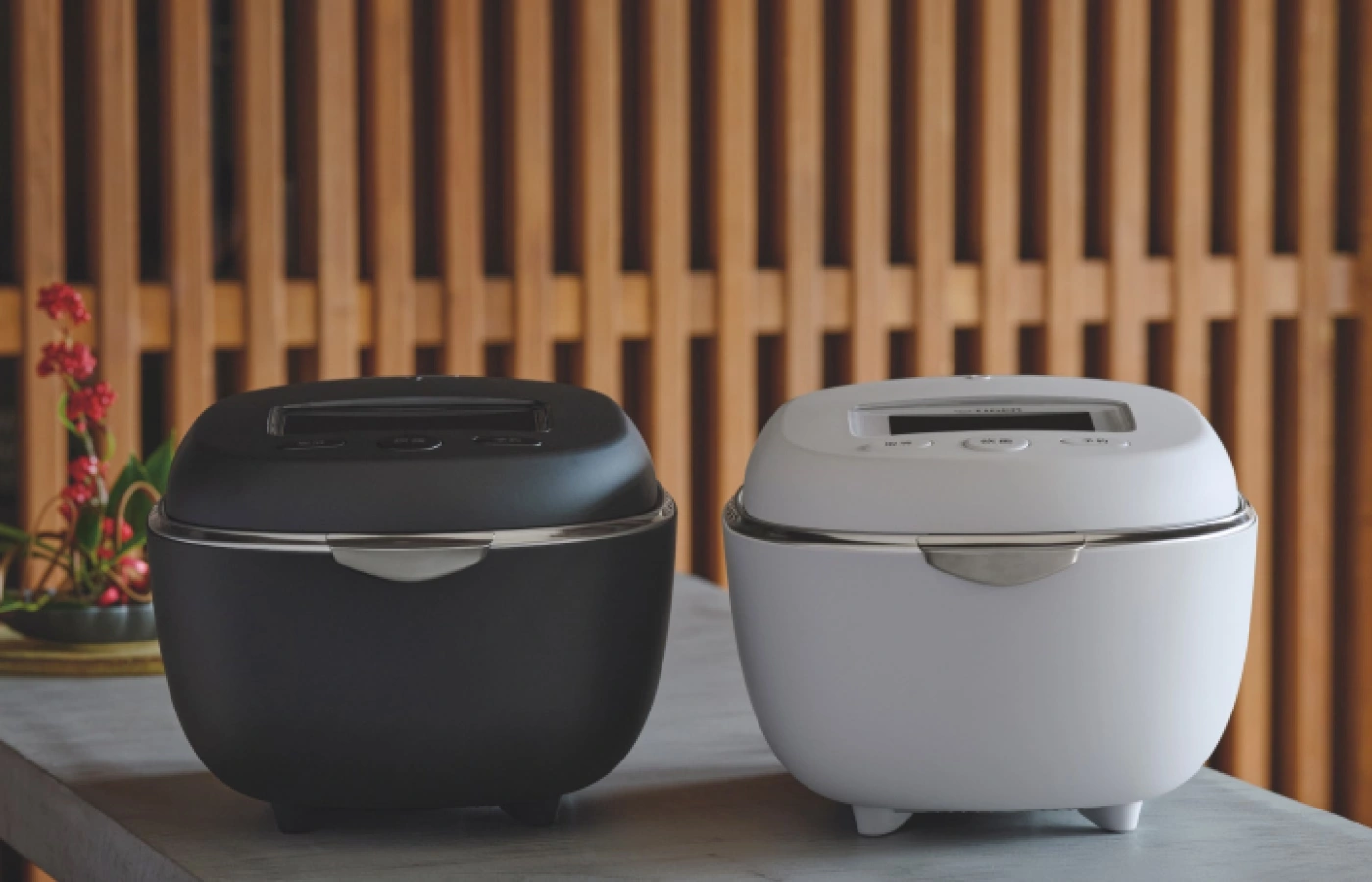
A rice cooker is an essential kitchen appliance for daily meal preparation, but when it starts underperforming or years pass, many people wonder, “Is it finally time to buy a new one?” This article explains the key warning signs indicating your rice cooker has reached the end of its lifespan, along with practical tips to make it last longer.
Table of Contents
What Is the Average Lifespan of a Rice Cooker?
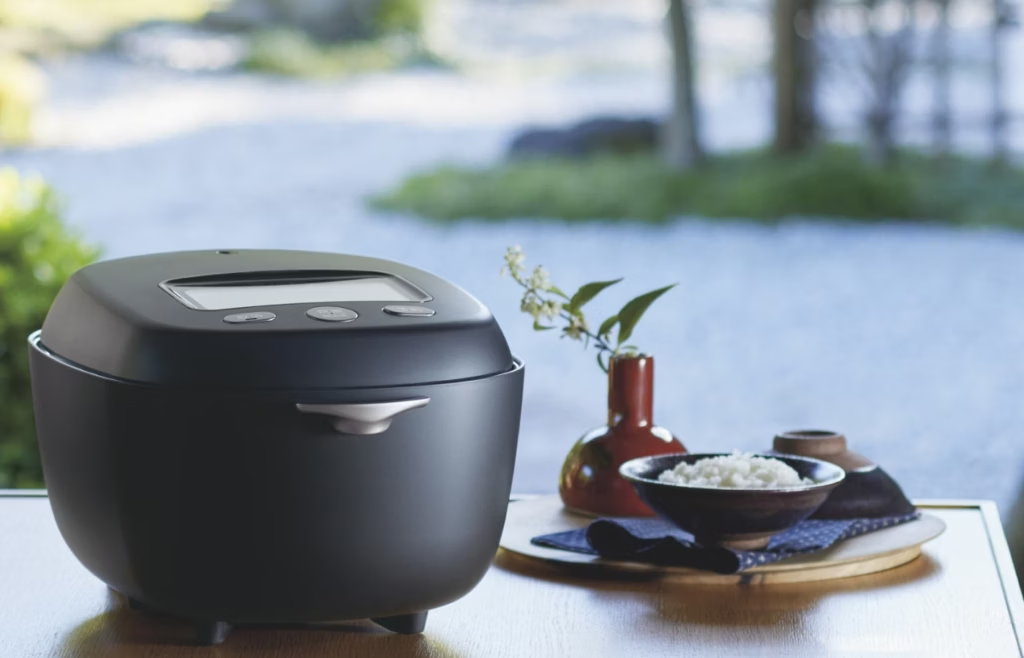
When your rice cooker acts up even slightly, it can be difficult to judge whether the appliance is experiencing a temporary issue or has reached the end of its functional life.
Let’s first take a detailed look at the general lifespan of a rice cooker.
Average Lifespan of a Rice Cooker
Like other household appliances such as refrigerators and washing machines, a rice cooker gradually wears down with repeated use. Rather than total failure of the main housing unit, issues are far more likely to arise with the inner pot—such as physical warping or peeling non-stick coatings—making the cooker difficult to use.
If only the inner pot is damaged, purchasing a standalone replacement inner pot is often possible.
What Is the Retention Period for Performance Parts for Repair?
Under guidelines established by Japan’s Ministry of Economy, Trade and Industry, manufacturers are generally required to retain replacement components (“performance parts for repair”) for 6 years after product discontinuation.
As a unique sustainability initiative starting May 30, 2019, Tiger Corporation extended this retention period to 10 years. Because Tiger can support repairs for up to a decade after production ceases, users who want to cherish and use their appliances for as long as possible can do so with complete peace of mind.
If you notice a malfunction, consider checking whether repair is an option within this parts retention window alongside exploring a full replacement.
(Note: Applies to performance parts for repair for all Tiger products manufactured on or after January 1, 2009, both domestic and overseas models.)
Warning Signs: When to Replace Your Rice Cooker
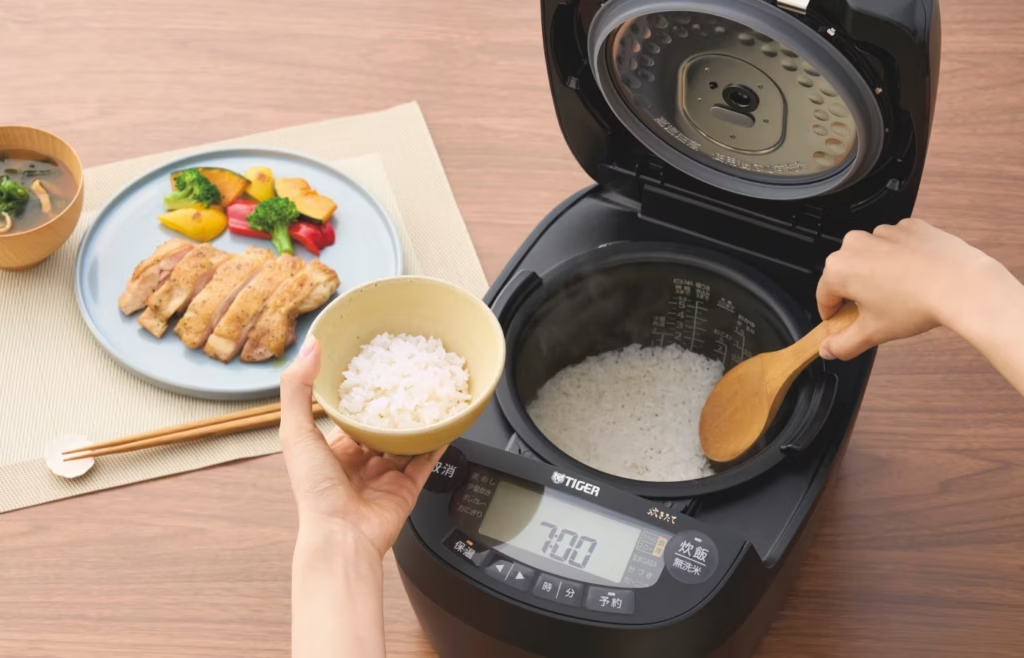
As a rice cooker nears the end of its lifespan, various subtle performance changes can begin to appear.
Even if you feel “it still turns on, so it’s fine,” ignoring these red flags can compromise the delicate taste of your rice or even pose safety risks.
Changes in Rice Texture and Cooking Results
If your rice comes out undercooked with hard cores or turns out overly mushy despite using your usual water measurements, the internal heating element may have weakened or the temperature sensor may be malfunctioning.
Additionally, if the bottom layer of rice scorches easily, the sensor may be failing to read internal temperatures accurately, leading to excessive over-heating.
Decline in Keep-Warm Performance
Even if the rice tastes great freshly cooked, you might notice it turning yellow, dry, or hard after just a few hours on the “Keep Warm” setting. A drop in keep-warm efficiency is a major indicator that your appliance is nearing the end of its functional life.
Deterioration of the Inner Pot or Components
If the non-stick coating on your inner pot peels, loose flecks can mix into your rice. Flaking also causes grains to stick stubbornly to the bottom and leads to uneven heat distribution that ruins cooking consistency.
If steam escapes from the sides of the outer lid during cooking, it signals that the silicone rubber gaskets have severely degraded.
Strange Noises or Unpleasant Odors
A high-pitched squealing or buzzing noise during the cooking cycle indicates that the cooling fan, internal motor, or circuit board components are deteriorating.
If you ever notice a burning odor, a smell like melting plastic, or visible smoke, stop using the rice cooker immediately. This strongly points to an abnormal electrical short in the circuit board.
If a cooker used for several years emits a distinct rubbery smell, it is a clear sign that the internal rubber seals and gaskets have broken down.
Tips for Making Your Rice Cooker Last Longer
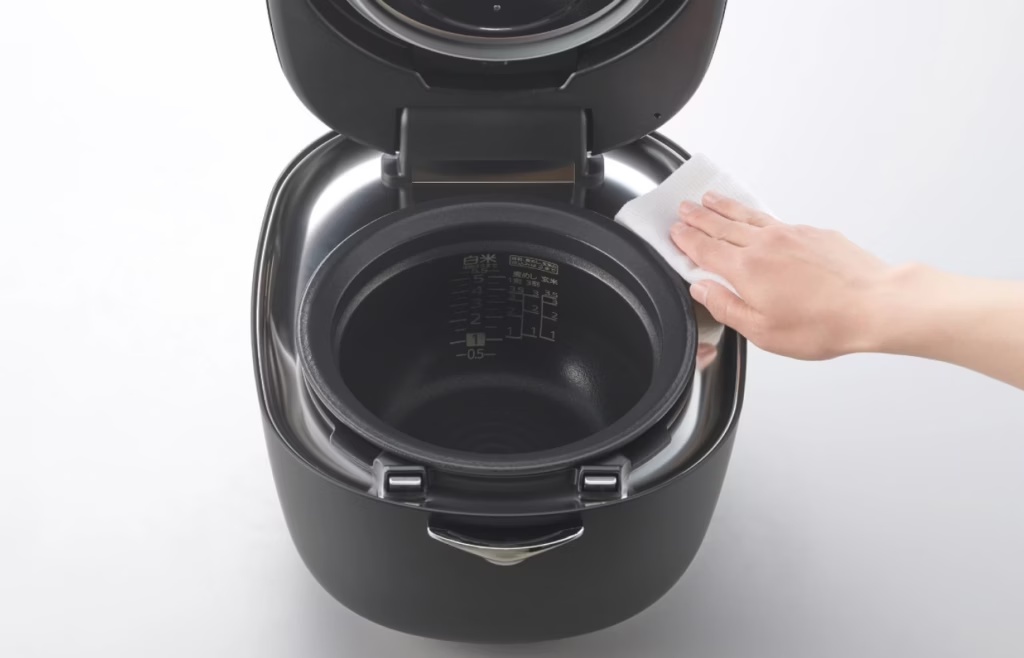
A rice cooker’s actual lifespan varies significantly depending on daily usage and maintenance habits. A little mindful care reduces stress on electronic components and lowers the risk of sudden breakdowns. Here are best practices to keep your rice cooker performing smoothly for years.
Prevent Scratches on the Inner Pot
Take care to protect the inner pot lining from scratches during daily use.
When the non-stick coating gets scratched or peeled, heat no longer transfers evenly across the vessel, placing unnecessary thermal strain on the main heating unit.
While you can rinse and wash rice directly inside the inner pot, avoid using metal utensils such as metal rice paddles or wire whisks, as they cause immediate surface scratching.
When washing the inner pot, always use a soft sponge rather than abrasive scouring pads or steel wool.
Avoid Placing Thermal Stress on Electronic Components
The bottom of a rice cooker features cooling fans along with intake and exhaust vents designed to prevent the internal circuit board from overheating. Blocking these vents or operating the cooker in tight, high-temperature spaces traps heat inside, accelerating the breakdown of electronic parts.
It is also crucial to handle the unit carefully so moisture never seeps inside the housing body.
Perform Regular Cleaning and Maintenance
To ensure a long lifespan, cleaning removable parts is just as vital as washing the inner pot.
Accumulated starch and grease in the steam vent, inner lid, or rubber gaskets degrade both cooking and keep-warm efficiency.
Wipe down the exterior surfaces regularly, wash all detachable components, and make sure every part is completely dry before reinstalling.
Below is a breakdown of cleaning methods and recommended maintenance schedules for each component:
| Cleaning Area | Frequency | Cleaning Method | Why It Prolongs Lifespan |
| Inner Pot Exterior & Base | After every use | Wipe away moisture and stray rice grains | Ensures tight contact with the thermal sensor, preventing uneven heating or breakdown |
| Inner Lid & Steam Vent | After every use | Detach, wash thoroughly with water, and dry completely | Prevents bacterial growth and stops steam leakage caused by clogged gaskets |
| Temperature Sensor | When dirt is noticed | Wipe the central metal protrusion with a firmly wrung damp cloth | Accurate temperature detection prevents circuit board overload and overheating |
| Housing Interior | Approx. once a week | Wipe down with a damp cloth or run a dedicated cleaning cycle | Maintaining interior hygiene slows down general component degradation |
| Intake & Exhaust Vents | Approx. once a month | Vacuum dust out from the vents located on the base and back | Prevents internal heat trapping and extends the lifespan of sensitive microchips |
| Power Plug & Cord | Approx. once a month | Wipe away dust using a soft, dry cloth | Prevents electrical tracking (fire hazards) and wire breakage |
Frequently Asked Questions About Rice Cooker Lifespans

Here are answers to common questions regarding rice cooker longevity to help you decide whether to repair or replace your appliance.
Can I Keep Using My Rice Cooker by Only Replacing the Inner Pot?
In many cases, the inner pot reaches the end of its useful lifespan before the main housing unit does. Signs like flaking non-stick coatings, rice sticking stubbornly, or unevenly cooked grains indicate it is time for a new pot.
Because a replacement inner pot generally costs between 10,000 and 20,000 yen, purchasing a standalone pot is a smart choice if the main unit’s heating element and keep-warm functions are working perfectly.
What Is the Difference in Lifespan Between Gas and Electric Rice Cookers?
Electric rice cookers feature intricate internal structures loaded with precision electronics, microcomputers, and circuit boards.
Compared to simple gas rice cookers, electric models naturally have more electronic components that can wear out over time.
Despite this, electric rice cookers remain the dominant global standard due to their outstanding convenience and rich versatility. They plug into any standard outlet without needing gas hookups and offer sophisticated features—such as smart Keep-Warm, delay timers, and grain-specific cooking profiles—that elevate everyday living.
Replacing consumable seals regularly and performing routine care ensures your electric rice cooker stays in peak condition for years.
Enjoy Delicious Rice by Knowing When to Upgrade Your Rice Cooker
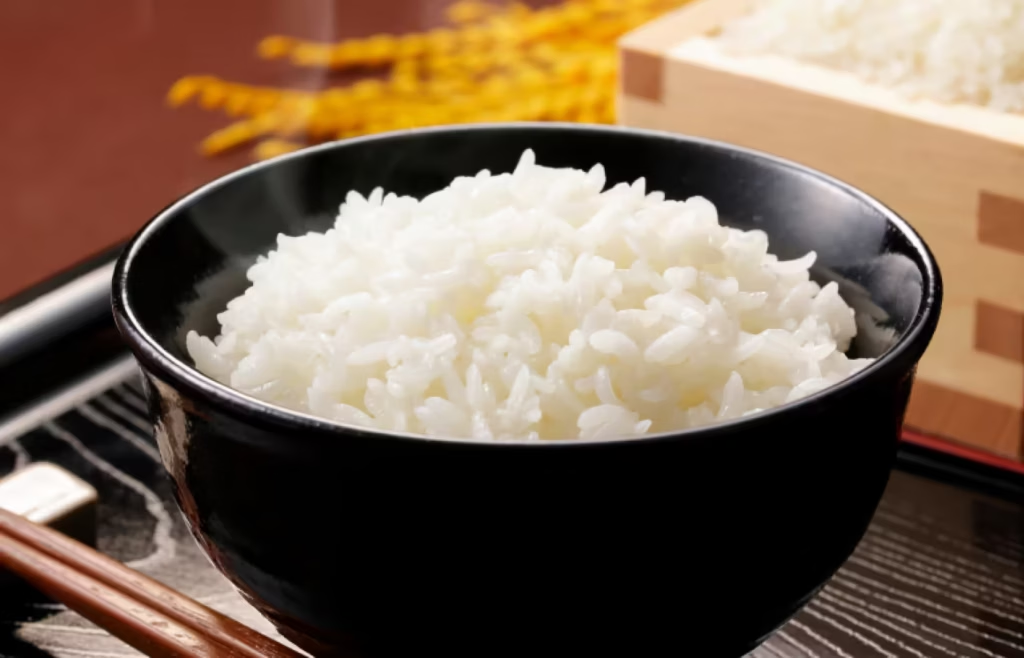
While a rice cooker generally lasts between 3 to 6 years on average, its actual longevity depends heavily on usage frequency, routine maintenance, and model design.
If your rice starts cooking unevenly, the keep-warm function weakens, or the unit emits unusual noises or odors, it may be time to consider an upgrade.
By taking good care of your appliance daily, you can maximize its lifespan—and when those warning signs appear, explore the latest models to bring fresh, fluffy perfection back to your dinner table!

Rice Cookers
Ceramic Pot Pressure Induction Heating Rice Cookers JRX-S060
Real deliciousness in a mainland pot. Tiger’s top-of-the-line model “炊きたて”, a masterpiece

Rice Cookers
Pressure Induction Heating Rice Cookers JRI-G100/G180・JRI-C060
An entry-level model for cooking rice in an earthenware pot.
Rice Cookers
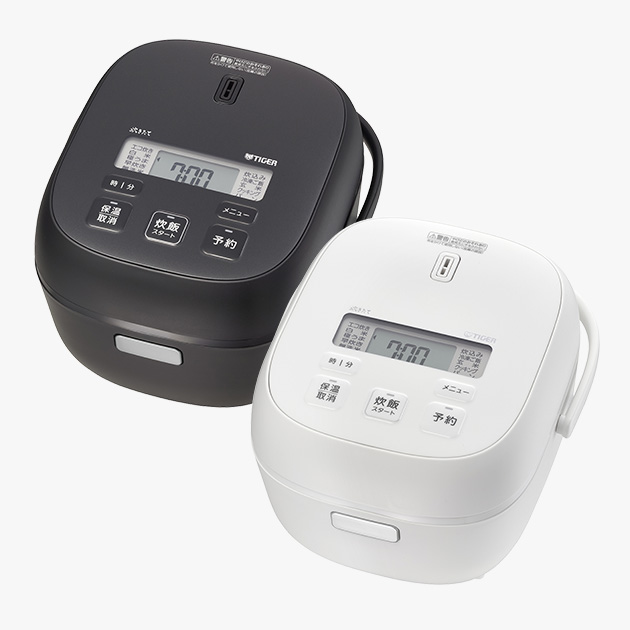
Microcomputer Controlled Rice Cookers JBS-G055
Enjoy fluffy, delicious rice and authentic cooking with a microcomputer-type model (High/Low Temperature) Cooking Settings, it can be used for a variety of purposes.

Rice Cookers
IH Rice Cookers <炊きたて> JPF-G055
Small capacity and compact size!The rice cooker capable of cooking delicious rice and various quick-cooking recipes.