


Make Delicious Curry with a Pressure Cooker! Recommended Recipes and Cooking Tips
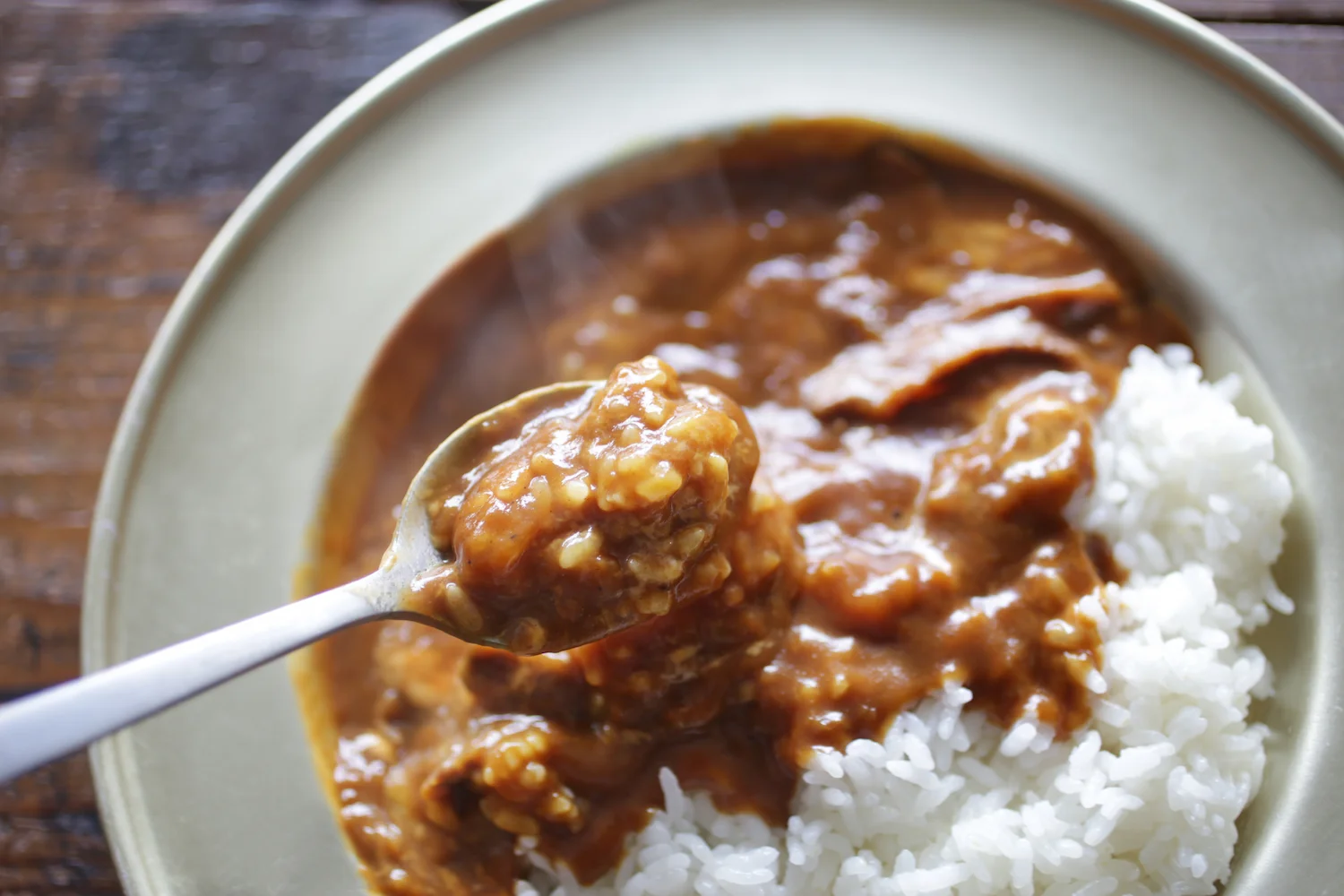
You might feel that making curry in a pressure cooker is a high hurdle, but once you get the hang of it, you can achieve an authentic taste without fail. In this article, we will introduce the benefits of making curry in a pressure cooker, as well as curry recipes using Tiger’s Multi Cooker that even beginners can easily try.
Table of Contents
Benefits of Making Curry in a Pressure Cooker | Differences from a Regular Pot
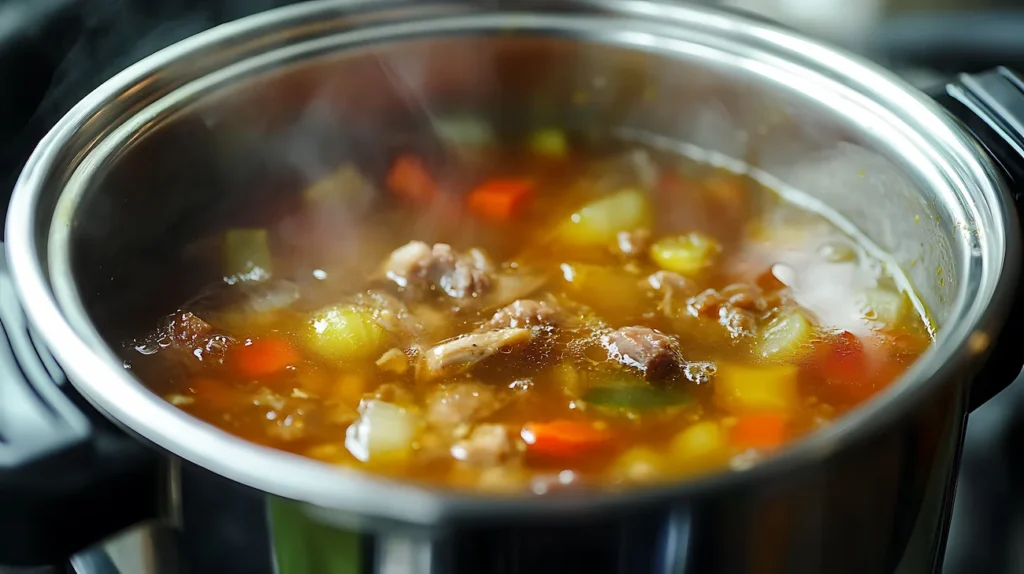
Curry is strongly associated with slow simmering, but a pressure cooker can produce an amazingly authentic flavor in a short time. Here, we will specifically explain the benefits of making curry in a pressure cooker.
Reduces Cooking Time
The biggest advantage of using a pressure cooker is that it drastically reduces simmering time compared to a regular pot. By sealing the pot and increasing the pressure, the boiling point of water rises, allowing the ingredients to cook rapidly at high temperatures. Multi Cookers operate on the same principle, meaning you can easily save time simply by pressing a button.
Makes Ingredients Tender
Another major benefit is that a pressure cooker can make ingredients tender in a short amount of time. Under high temperature and pressure, the collagen in meat easily turns into gelatin, allowing moisture to penetrate the gaps between the fibers. Because of this, beef tendon or diced meat, which usually take hours in a regular pot, will become melt-in-your-mouth tender in no time.
Brings Out the Sweetness of Vegetables
A pressure cooker’s ability to maximize the natural sweetness and umami of vegetables is also appealing. Since it cooks in a sealed state, moisture and aromas do not easily escape, resulting in a “steaming and boiling” process that utilizes the ingredients’ own moisture. This concentrates the savory flavors of onions and carrots, creating a deep, rich base.
Saves on Utility Costs
Pressure cookers, which finish the active heating process quickly, greatly contribute to saving utility costs. Once the pressurization is complete, you can turn off the heat and let the residual heat continue the cooking process, thereby minimizing gas and electricity usage. Compared to regular pots that require continuous heating for hours, its high cooking efficiency is a significant advantage.
Tips for Making Curry in a Pressure Cooker
While a pressure cooker is a convenient tool for making delicious curry quickly, there are a few points to keep in mind to use it safely. Here are some tips to prevent failures and maximize the pressure cooker’s performance.
Add the Curry Roux Later
The key is to add the curry roux only after the pressure cooking is complete and the pressure has fully dropped. The thickness created by the flour and fats in the roux can splatter during heating, potentially clogging the steam vent or safety valve. If steam cannot be released properly, it may lead to malfunction or unexpected accidents. First, pressure-cook only the ingredients and water, and dissolve the roux to finish the dish only after the indicator pin has dropped.
Keep the Pressurization Time Short
When making curry in a pressure cooker, setting a short pressurization time is the secret to a delicious result. The inside of the pot reaches a high temperature, and cooking continues with residual heat during the “steaming time” after pressurization finishes until the pin drops. With this two-step process, even an actual pressurization time of about 10 minutes is enough to cook the food thoroughly. Be careful, as overcooking can cause vegetables to become mushy and ruin the texture of the meat.
Cut Ingredients Slightly Larger
We recommend cutting your ingredients a size larger than usual when using a pressure cooker. Since a pressure cooker cooks right through to the core in a short time, ingredients cut too small may lose their shape and melt away. Potatoes and carrots, in particular, soften rapidly due to the pressure and residual heat, so cutting them larger helps retain a pleasant texture and shape. Similarly, cutting meat into larger pieces allows you to better enjoy the tender, juicy texture unique to pressure cooking.
Steps to Make Curry in a Multi Cooker
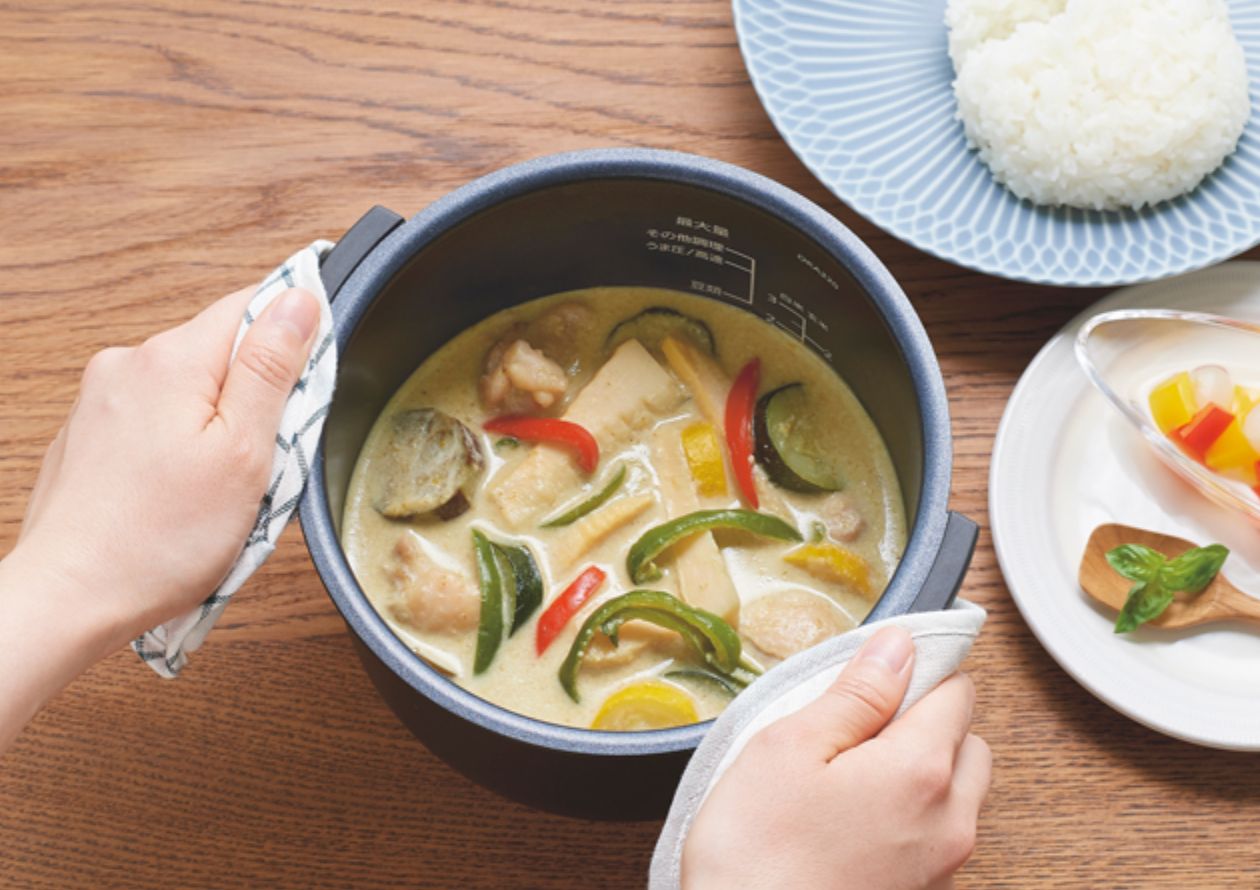
Here, we will explain the overall steps using a Multi Cooker , which requires no manual heat adjustment, as an example.
Basic Steps for Making Curry with a Multi Cooker
- Cut the ingredients into bite-sized pieces.
- Place the ingredients, excluding the curry roux, into the inner pot , set it in the main unit, and close the lid.
- Check the pressure indicator and lock status, then press start.
- Once cooking is complete, make sure to confirm that the pressure indicator pin has dropped.
- Open the lid only after the pressure button has dropped.
- Add the curry roux, dissolve it thoroughly, and close the lid again.
- Heat for about 5 minutes, and it is ready to serve.
Tiger’s Multi Cooker Enables Easy Automatic Cooking
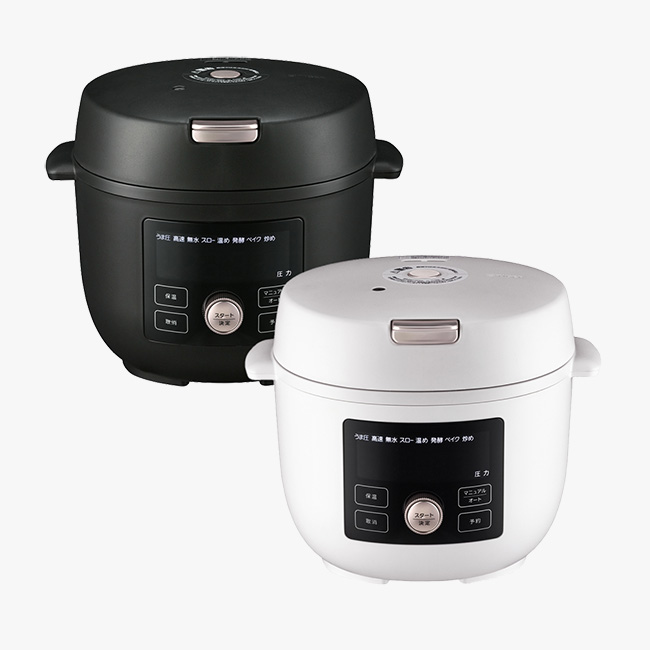
Multi Cookers
COOKER COK-B220/B400
Eleven functions in one cooker! Electric pressure cooker focusing on “time” of pressure cooking.
Tiger’s Multi Cooker , the “TIGER COOKPOT (COK-B series)”, is a versatile appliance that can handle a wide variety of dishes, including pressure cooking. The intuitive and easy-to-understand operation smartly supports your daily meal prep—just add the ingredients and press a button.
Features of the COK-B Series Multi Cooker
- Supports multifunctional cooking with 11 roles in a single unit.
- Brings out the delicious flavors of ingredients with Tiger’s unique gentle pressure (“Premium” cooking ).
- Significantly reduces cooking time, making fast meal prep possible even on busy days.
- Simple operation: just add ingredients and select a menu.
- Easy-to-clean design with only three parts to wash: the inner pot , drip pan , and inner cover .
- Compact size, available in two different capacities.
- Equipped with a rice cooking function that utilizes Tiger’s rice-cooking expertise.
It is highly recommended for those who want to reduce cooking effort, as it is incredibly useful not only for making curry but also for a wide range of everyday meals.
6 Curry Recipes to Make with Tiger’s Multi Cooker
With Tiger’s Multi Cooker , you can easily enjoy a wide range of recipes, from classic curries to unique variations. Here are 6 recommended curry recipes.
Tender Beef Curry
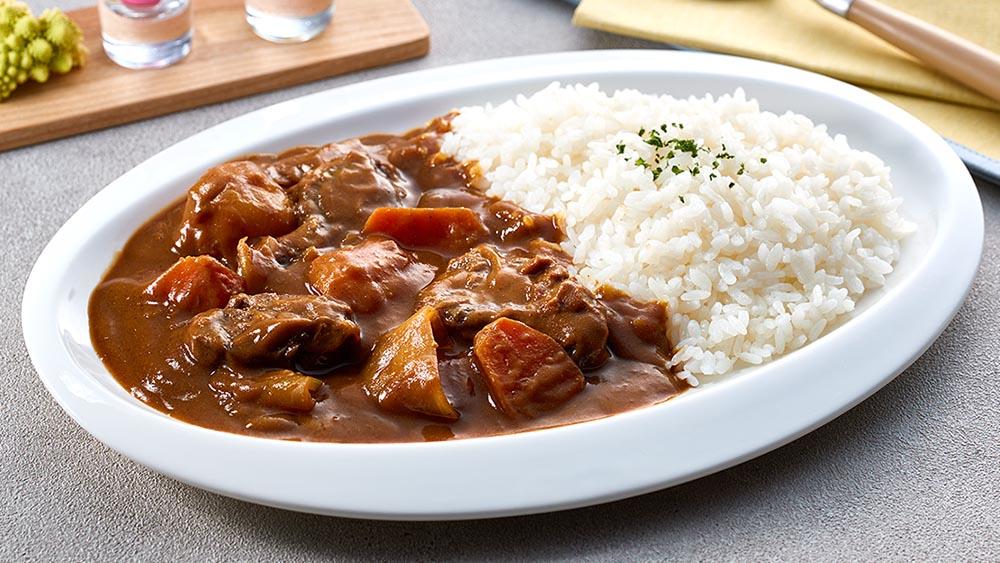
A beef curry where the meat is slowly simmered until perfectly tender. By setting it to Auto Menu: 12 “Tender Beef Curry,” the meat achieves a moist, succulent texture. Because red wine is added and cooked along with the ingredients, it boasts a deep richness and an elegant aroma.
Chicken and Summer Vegetable Waterless Curry
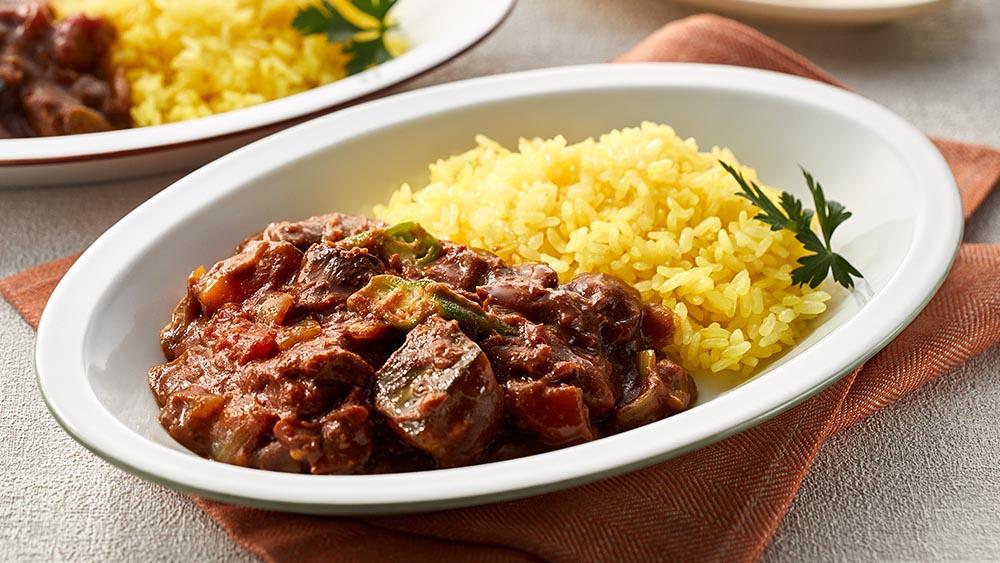
A waterless curry that maximizes the umami of chicken thighs and summer vegetables. Using vegetables like tomatoes, pumpkin, and eggplant, it cooks entirely in the natural juices of the ingredients without a single drop of added water. Marinating the chicken beforehand with salt, curry powder, and yogurt makes the meat incredibly moist and tender, adding even more depth to the flavor.
Waterless Keema Curry
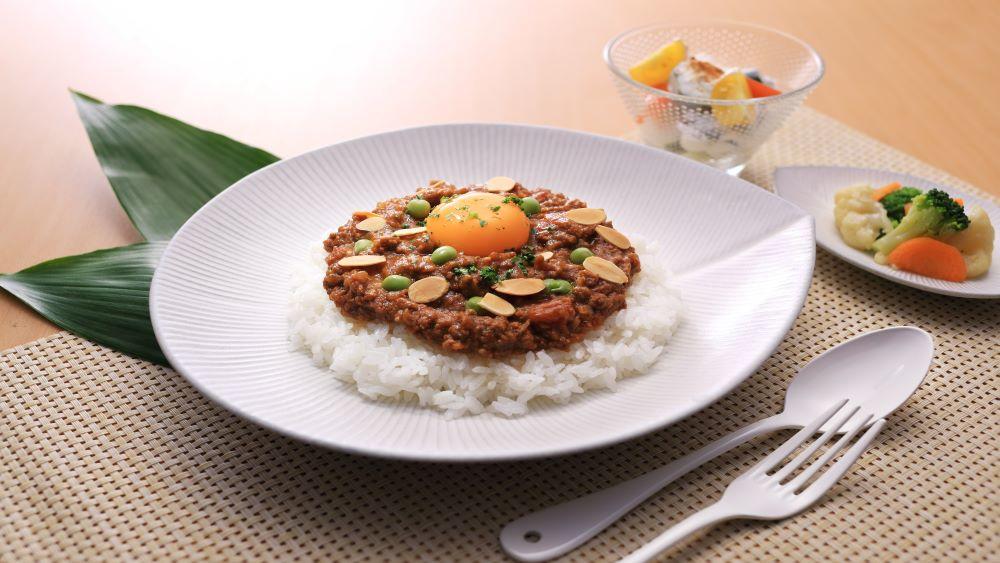
A rich waterless keema curry made with a blend of ground meat and canned tomatoes, utilizing only the moisture from the ingredients. The savory flavor of the minced meat is tightly concentrated, allowing you to savor the deep richness unique to waterless cooking. Despite its authentic taste, it cooks quickly in about 40 minutes. Garnishing with egg yolk or almonds at the end enhances its visual appeal and adds a toasty aroma.
Green Curry
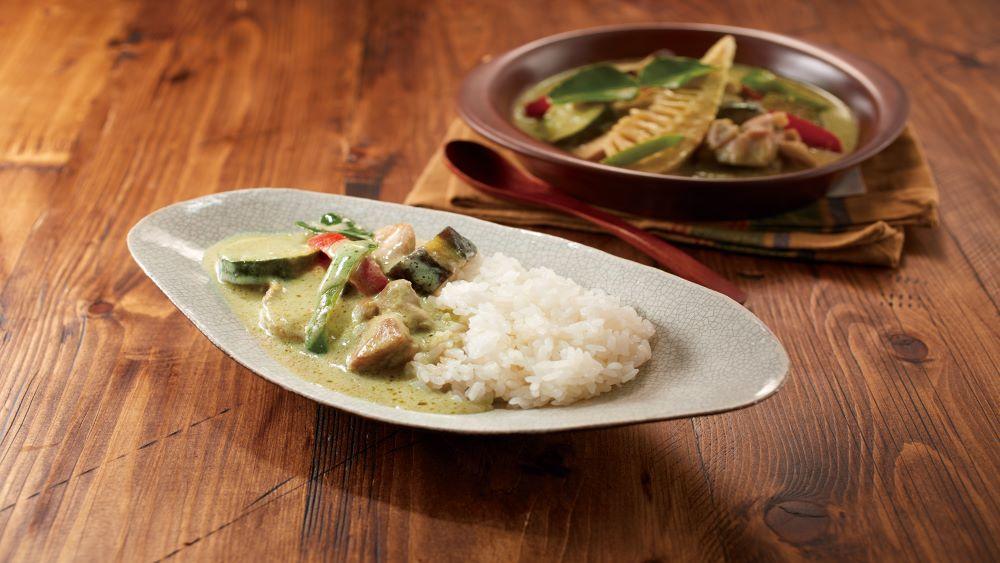
A dish that harmonizes the mildness of coconut milk with the refreshing heat of spices. Colorful vegetables like zucchini, eggplant, and bamboo shoots add a great texture. Even with its authentic flavor, it is incredibly fast, taking only about 15 minutes to cook. You can easily enjoy an exotic meal right at your dining table, even on busy weeknights.
Dry Curry with Mackerel and Eggplant
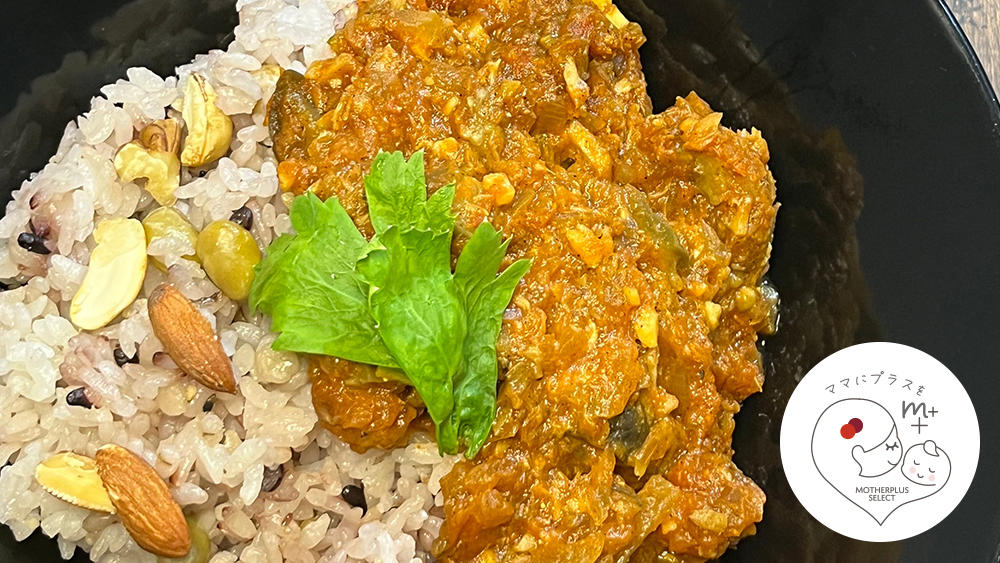
A flavorful dry curry that utilizes a whole can of boiled mackerel. Because it uses canned fish, no tedious prep work is required, making it an easy way to get the nutritional benefits of blue-backed fish. Aromatic vegetables refreshingly complement the flavor of the mackerel, and topping it with nuts adds a toasty aroma and a pleasant crunch, resulting in a highly satisfying dish.
Butter Chicken Curry
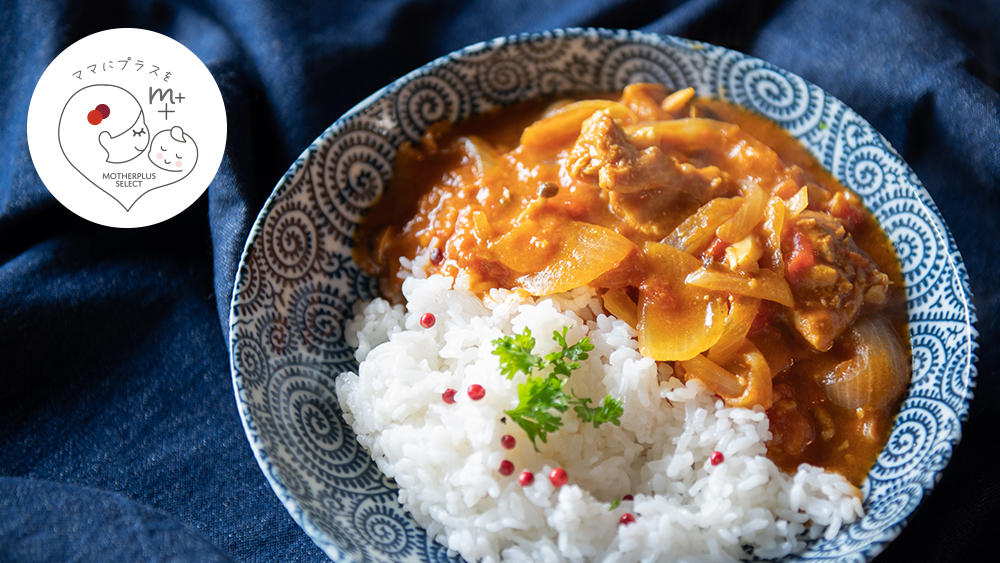
An authentic butter chicken curry loved by all generations for its mild, rich flavor. Canned tomatoes, yogurt, and a secret touch of miso create a deep, profound richness. Thanks to pressure cooking, the chicken is exceptionally moist and tender, blending perfectly with the sauce. By adding your favorite vegetables, you can easily boost the volume and nutrition of this luxurious dish.
Frequently Asked Questions about Multi Cookers
Here, we address some of the most frequently asked questions regarding Multi Cookers.
Depending on the menu, you can use the keeping warm settings . However, please note that it is not suitable for keeping White Rice warm. Keeping rice warm for extended periods can degrade its texture and flavor, so we recommend removing it soon after cooking.
Yes, you can cook rice in a Multi Cooker . By using the dedicated rice cooking menu and settings, you can effortlessly prepare fluffy rice.
(For Multi Cooker COK-B220/B400)
220 Size: Can cook up to 3 cups of White Rice and up to 2 cups of Brown Rice / Quick Cook takes as little as approx. 28 minutes (for 1 cup).
400 Size: Can cook up to 6 cups of White Rice and up to 4 cups of Brown Rice / Quick Cook takes as little as approx. 25 minutes (for 1 cup).
You cannot open the lid by pressing the pressure button during pressure cooking. The inside of the pot is under high temperature and pressure; forcing it open could cause scalding steam or hot liquid to violently spray out. It is extremely dangerous and can lead to burns or serious accidents. If you absolutely must interrupt cooking and open the lid, make sure to follow the procedures in the instruction manual and verify that the pressure has completely dropped before operating it.
If your food boils over during cooking, several causes are possible.
・Adding too many ingredients.
・The heat is too high.
・Using ingredients that are not suitable for pressure cooking, etc.
To prevent these issues, always check the instruction manual and strictly adhere to the specified amounts and cooking methods.
Only limited parts are Dishwasher/dish drier safe . Only the inner cover and drip pan can be washed in it; the inner pot is not compatible. Placing incompatible parts in the dishwasher can cause deterioration or malfunction, so please make sure to wash them by hand.
Pressure Cookers are Recommended for Making Delicious Curry in Less Time
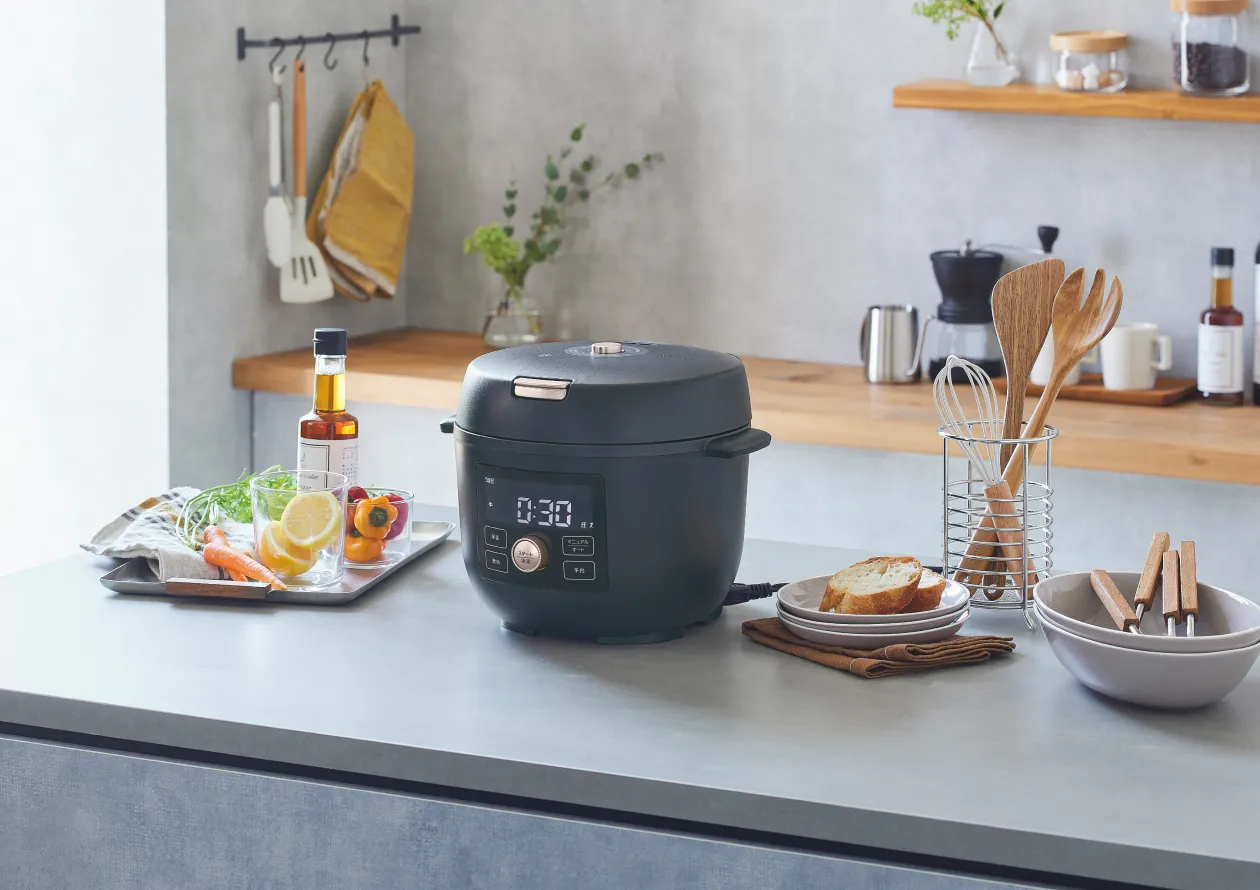
The major advantage of making curry in a pressure cooker is that it cooks faster than a regular pot while making meat and vegetables exceptionally tender. The high-temperature, high-pressure cooking process concentrates the sweetness and umami of the vegetables, making it highly compatible with waterless cooking. We highly recommend incorporating pressure cooking into your daily meal routine to achieve both time-saving efficiency and delicious results.
Multi Cookers
COOKER COK-B220/B400
Eleven functions in one cooker! Electric pressure cooker focusing on “time” of pressure cooking.