


How to Cook Delicious Rice: A Guide to the Basic Steps Using a Rice Cooker
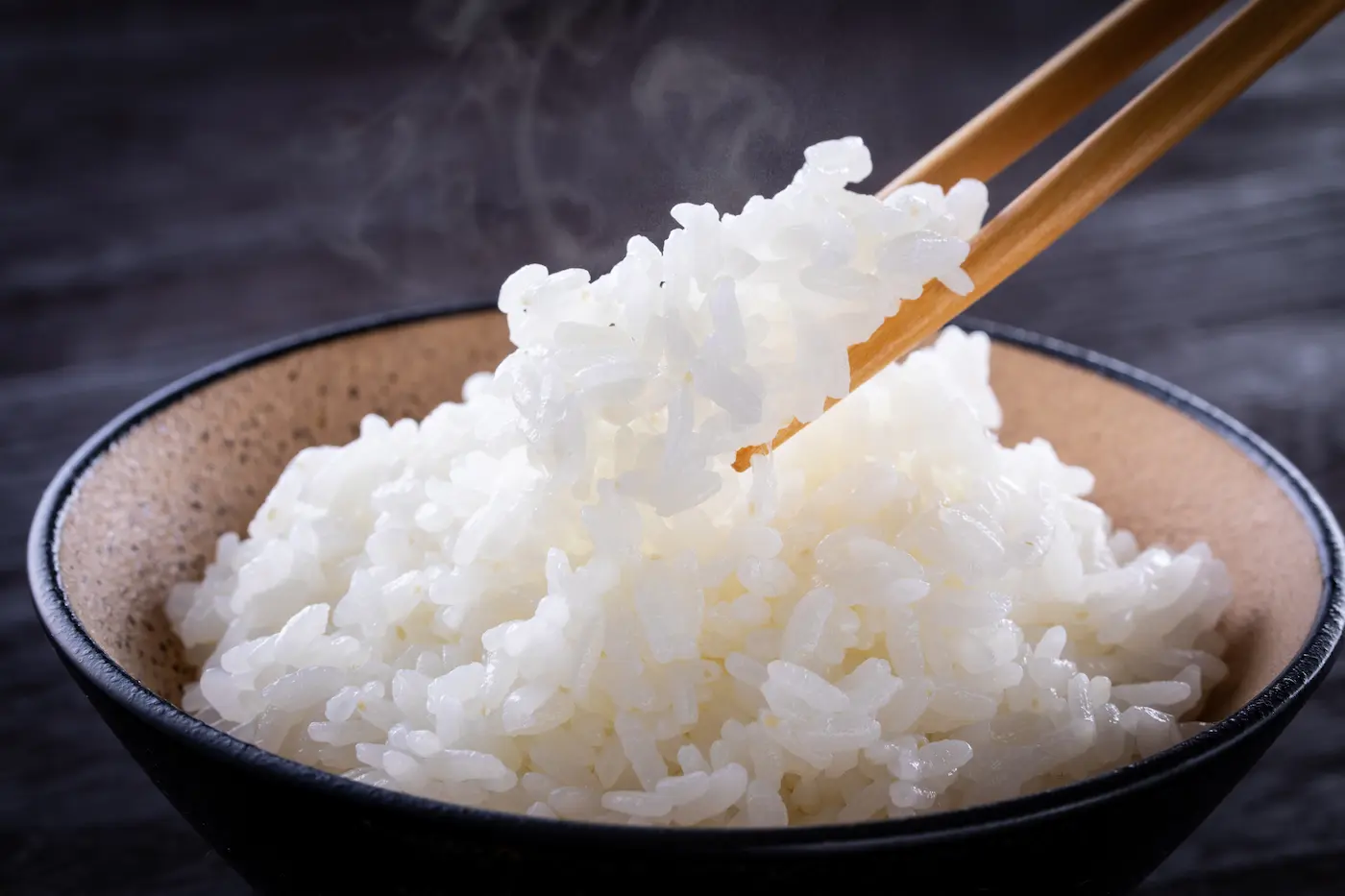
Rice is the star of the dining table. In truth, simply paying careful attention to the basics—such as accurately measuring the rice, washing it properly, and adjusting the water level—can dramatically improve its flavor and texture. This article introduces the basic steps and tips for easily making fluffy rice using a rice cooker.
Table of Contents
Essential Elements for Delicious Rice
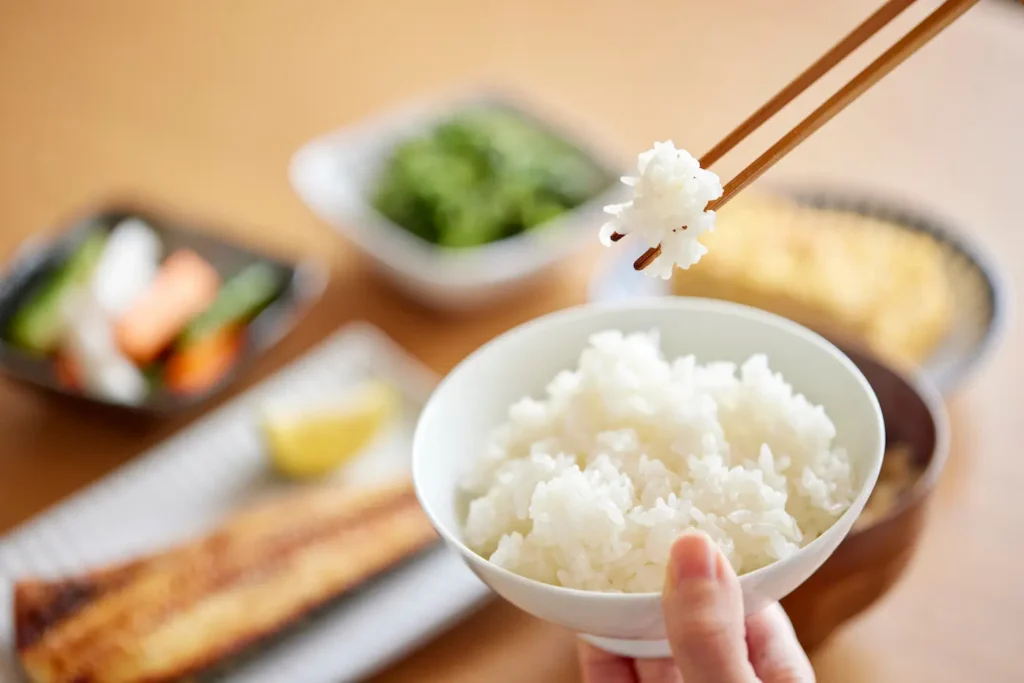
To bring out the natural umami of rice, the “accumulation of basics”—such as freshness, water ratio, and correct procedures—is crucial.
Type and Freshness of Rice
“Uruchimai” (non-glutinous short-grain rice), widely loved in Japan, is best characterized by its perfect balance of stickiness and softness. To bring out its fluffy texture and sweetness when cooked, the freshness of the rice is key.
Even within the same variety, freshly harvested “shinmai” (new rice) in autumn is highly aromatic and retains a high moisture content, resulting in a plump, glossy finish. On the other hand, “komai” (older rice) loses moisture over time, resulting in less stickiness and a tendency to become dry.
Furthermore, rice begins to oxidize and lose its flavor immediately after milling. Therefore, the secret to enjoying delicious rice is to always check the milling date on the packaging when purchasing, and to choose rice that has been milled as recently as possible.
Water Quantity and Quality
The “water” used to cook rice is a critical factor that determines its deliciousness. The water ratio directly affects the texture: too little water leaves a hard core, while too much causes stickiness. When the rice absorbs water to its core and undergoes “gelatinization” through heating, it achieves a fluffy texture.
“Soft water,” which makes up most of Japan’s tap water, has a low mineral content and does not hinder the rice’s water absorption, making it ideal for cooking rice. In contrast, “hard water,” which contains high levels of calcium and magnesium, inhibits absorption and tends to make the rice hard.
Measuring Rice Accurately
To cook delicious rice, accurately measuring the amount of rice is essential. Even if you fill the water exactly to the rice cooker’s water level line, any error in measuring the rice will throw off the rice-to-water ratio.
When measuring, it is most reliable to use a dedicated rice measuring cup or a digital scale to measure 1 go (approx. 150g). If using a cup, heap the rice into the cup, then use a chopstick or similar tool to level off the top (a technique called “surikiri”). Be careful not to pack the rice into the cup or rely on visual estimation, as this will lead to inconsistencies in the actual amount.
Making a habit of accurate measurement is the fundamental first step to preventing unevenly cooked rice.
How to Wash Rice
When washing rice, the grains rapidly absorb the very first water they touch. To preserve the flavor, we recommend using purified water or soft mineral water for the initial rinse. The greatest trick to a delicious finish is to quickly stir the rice in plenty of water 2 to 3 times, then discard the water immediately before the rice can absorb the smell of rice bran.
During the washing process, avoid using a colander to prevent the grains from breaking. Instead, gently press and wash the rice with your fingertips. With modern milling technology, there is no need to scour the rice vigorously; lightly washing off the surface starch and debris is sufficient.
Additionally, Tiger’s rice cookers feature an “Inner Pot Rice Washing” capability, allowing you to wash the rice directly in the inner pot without needing a separate bowl.
Soaking in High-Quality Water
Since the water used for cooking directly impacts the flavor of the rice, it is ideal to use purified water or soft mineral water right from the soaking stage. When moisture permeates to the core of the rice during soaking, the gelatinization of starch progresses evenly during heating, resulting in a uniformly fluffy finish without any unevenness.
When cooking in an earthen pot (donabe), soaking the rice thoroughly before turning on the heat—about 30 minutes in summer and over an hour in winter—is key to ensuring no hard core remains. For rice cookers, a water absorption phase is built into the program, so you can start cooking immediately after washing the rice without any issues.
Basic Steps for Cooking Rice in a Rice Cooker
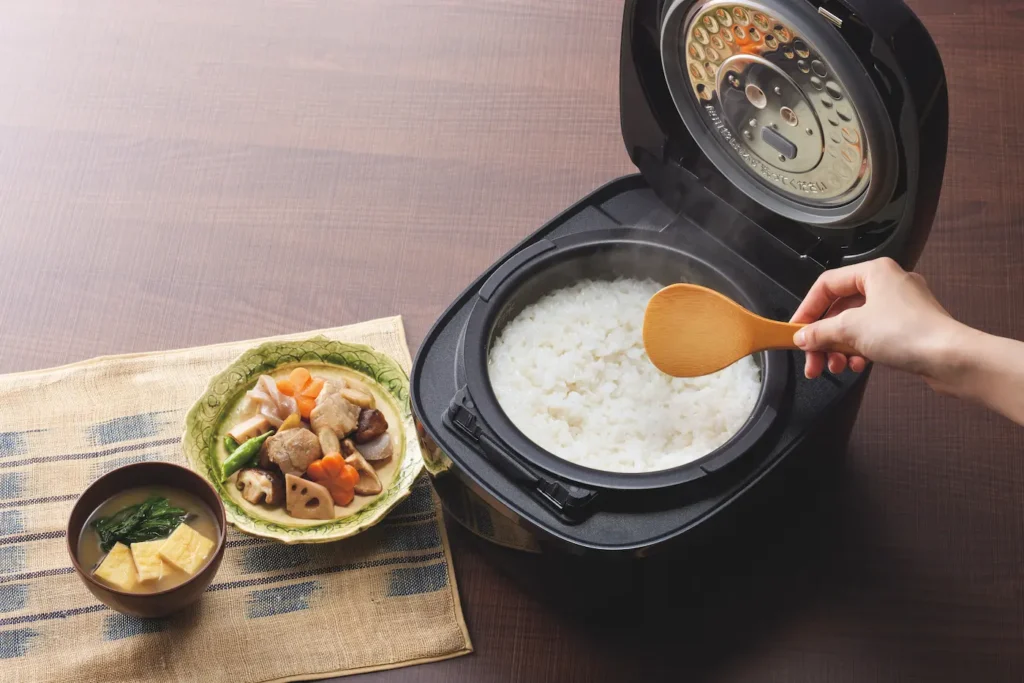
Here, we explain the correct procedures and tips for maximizing your rice cooker’s functions and achieving the ideal texture.
The Role of the Rice Cooker
A rice cooker is an appliance that automatically performs the three essential processes for cooking delicious rice: “absorption, heating, and steaming”.
First, it allows moisture to penetrate the core of the rice through absorption. In the subsequent heating phase, it controls the optimal temperature and heat intensity to draw out the rice’s natural sweetness and stickiness. Finally, during the steaming phase, it evenly distributes the moisture within the grains to create the ideal texture.
Because the rice cooker consistently executes these steps at the perfect timing, you can cook delicious rice every time.
Setting the Right Water Level
Since the cooked texture changes significantly depending on the amount of water, any adjustments for personal preference should be kept to a minor fine-tuning of just a few millimeters above or below the water level line. Drastically increasing or decreasing the water beyond this range will result in rice that is either undercooked with a hard core or overly sticky.
If the inner pot is tilted, you cannot measure accurately, so always make sure to set it on a flat surface.
Selecting the Cooking Mode
When using a rice cooker, it is important to select the optimal cooking mode for your situation. The standard “Plain” (or Standard) mode takes ample time for the entire process of absorption, heating, and steaming, thereby maximizing the sweetness and umami of the rice.
On the other hand, the “Quick Cook” mode, which cooks rice in a shorter time, primarily shortens the absorption and steaming times. As a result, the texture may feel slightly firmer and the flavor more subtle compared to normal cooking. If you have time to spare, we recommend the standard cooking mode for consistently delicious results.
What to Do Immediately After Cooking
“Fluffing” the rice immediately after it finishes cooking is a crucial finishing touch that dictates the final quality. Once the cooking is complete, open the lid right away and stir the entire contents to release excess steam. This allows just the right amount of moisture to evaporate, giving each grain a glossy, firm finish as if it were individually coated.
When stirring, the key is to use a rice paddle (shamoji) to dig deep from the bottom and “cut and fold” the rice, bringing the bottom layers to the top. By exposing it to air quickly without crushing the grains, you prevent stickiness and maintain a fluffy texture.
Tips for Enjoying Even Better-Tasting Rice
To maintain the freshly-cooked taste for as long as possible, you must also pay attention to the post-cooking process. Here are tips for storing and finishing your rice so you can enjoy its deliciousness to the very last bite.
Tips for Steaming
To make your rice taste even better, proper “steaming” is essential.
Immediately after cooking, the rice grains still have a lot of moisture on their surface. Steaming allows this moisture to settle evenly into the core of the rice, stabilizing the texture and sweetness of each grain. If steaming is insufficient, it can cause uneven cooking, resulting in stickiness or hard cores.
Modern rice cookers have an optimal steaming process integrated into their automatic programs. Therefore, simply waiting until the process is fully complete without opening the lid midway will yield delicious rice.
Precautions for Keep Warm Mode
Understanding how to properly use the “Keep Warm” function after cooking is essential for maintaining the deliciousness of your rice. If kept warm for too long, the rice will lose its moisture, dry out, and turn yellow, while losing its characteristic aroma and umami. Continuous heating also tends to make the texture harder.
If flavor is your priority, we recommend utilizing “freezer storage” early on rather than keeping the rice warm for an extended period. During the Keep Warm mode, gently stirring the rice once midway to release excess moisture and eliminate unevenness will help prevent drying and the development of odors.
Use the Keep Warm and freezing functions wisely to enjoy your rice deliciously until the very end.
Common Mistakes and How to Fix Them
Cooking rice is a simple process, but minor mistakes can greatly affect the outcome.
Here, we specifically explain common mistakes made when using a rice cooker, along with their causes and how to fix them. By understanding the causes and responding correctly, your everyday rice will become much more delicious.
The Rice Becomes Mushy
The primary cause of mushy rice is using too much water. If there is excessive moisture relative to the rice, the cooked rice will retain excess water, resulting in an overly sticky and heavy texture. Furthermore, if you wash the rice too vigorously with too much force, the surface of the grains will be scraped off, causing starch to leach out and accelerating the stickiness.
To prevent this, it is crucial to measure accurately and align the water with the inner pot’s scale, and to wash the rice gently with your fingertips so as not to break the grains.
Hard Core Remains / Rice Becomes Hard
The main reasons for rice remaining hard with an uncooked core are insufficient water or inadequate soaking time. If the rice is heated before moisture has sufficiently reached its center, the starch will not gelatinize properly, leaving a hard core and a tough texture. The Quick Cook mode, in particular, shortens the water absorption phase, making insufficient soaking a common issue.
To fix this, first ensure the rice is measured accurately. If using the Quick Cook mode, it is effective to soak the rice in water for about 15 to 30 minutes prior to cooking. By allowing the rice to absorb water thoroughly before heating, it will cook up fluffy all the way to the center.
Odors or Yellowing Occur
The main causes of odors or yellowing in rice are oxidation and drying due to prolonged warming. If the Keep Warm state continues for too long, the proteins in the rice change, making it prone to a distinct “Keep Warm odor” and discoloration. Additionally, dirt attached to the inner pot, inner lid, or packing, as well as leftover “bran” from insufficient washing, can also cause odors.
It is important to keep your rice cooker clean through frequent maintenance and to get into the habit of freezing any leftover rice immediately rather than keeping it warm for a long time.
How to Properly Clean Your Rice Cooker
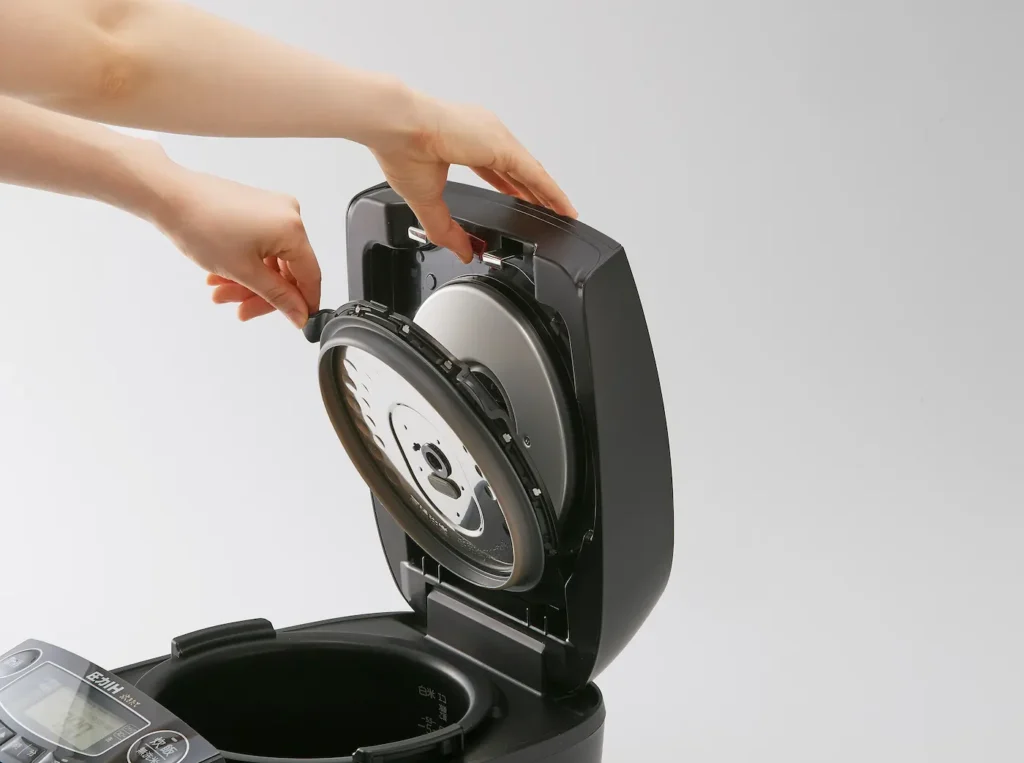
Keeping your rice cooker clean is indispensable for protecting the deliciousness and safety of your rice. If starch or moisture is left inside the rice cooker, bacteria can multiply, causing unpleasant odors and mold. Therefore, frequent cleaning is crucial.
After every use, remove and wash the inner pot, inner lid, and steam cap to prevent dirt from building up. The steam cap, in particular, tends to collect moisture and can become a source of odors, so please wash and dry it promptly.
For the outside and inside of the main unit, as well as the power cord, wipe them down with a tightly wrung-out damp cloth or a dry cloth whenever you notice dirt. To prevent malfunctions or deformation, avoid using boiling water, abrasive scrubbers, or bleach. Always wait until the main unit has completely cooled down before cleaning.
Master the Art of Cooking to Enjoy Delicious Rice
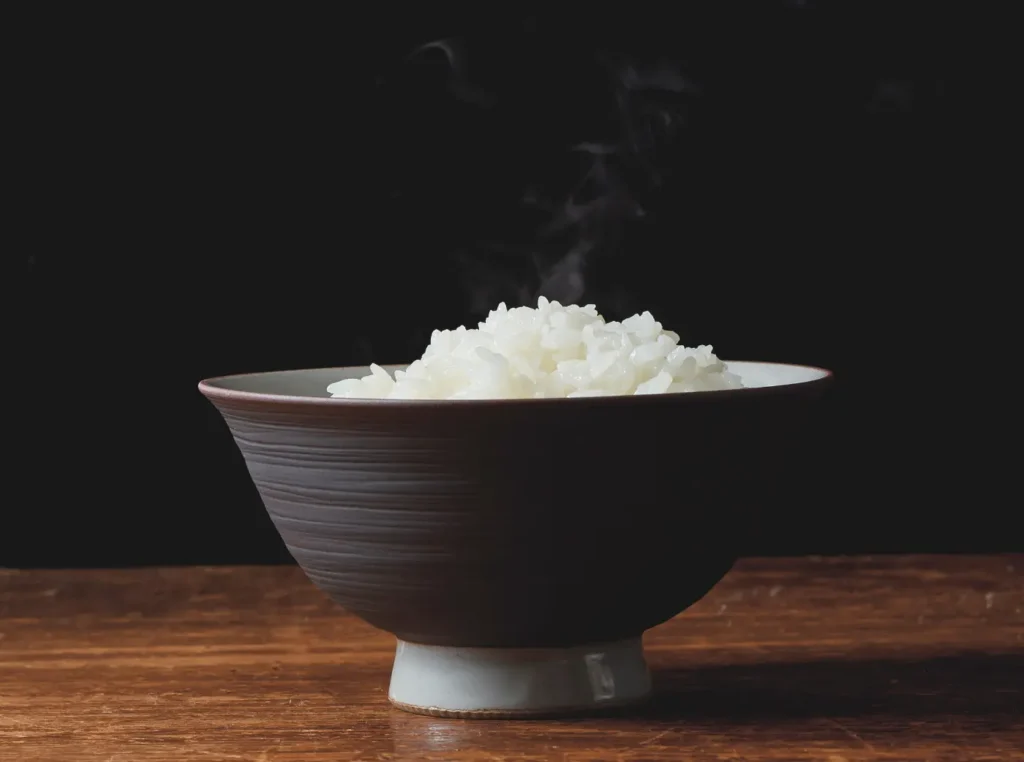
The secret to cooking delicious rice is condensed into careful preparation and a little extra effort after cooking.
By strictly adhering to the basics—accurate measurement of the rice, gentle washing, and proper water adjustment—you can maximize the rice cooker’s performance in “absorption, heating, and steaming”. Fluff the rice immediately after cooking to release excess moisture, and promptly freeze any portions you cannot finish. Make this workflow a habit and enjoy delicious rice every day.
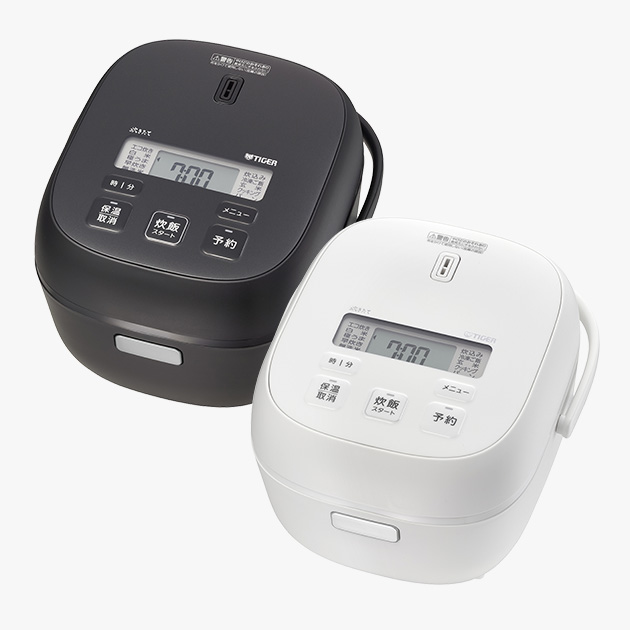
Rice Cookers
Microcomputer Controlled Rice Cookers JBS-G055
Enjoy fluffy, delicious rice and authentic cooking with a microcomputer-type model (High/Low Temperature) Cooking Settings, it can be used for a variety of purposes.
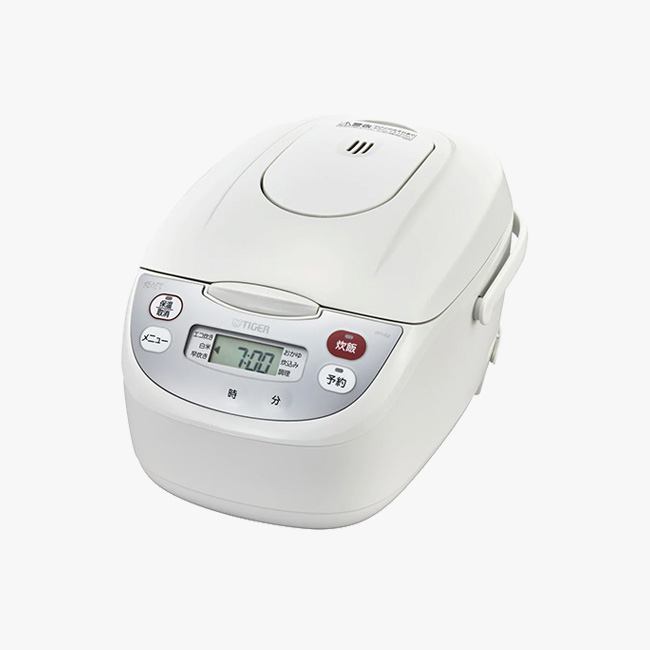
Rice Cookers
Microcomputer Controlled Rice Cookers <炊きたて> JBH-G102/G182
The thick inner pot with black far-infrared coating is used to cook fluffy, delicious rice. Simple and easy-to-understand operability!