


Solve the Root of All Illnesses! Causes of Poor Circulation and How to Improve It
Whether it is air conditioning in the summer or the chill of winter, many of us struggle with “hiesho,” or sensitivity to cold. Sensitivity to cold is often called the root of all illnesses and is considered a major enemy of both beauty and health. While Western medicine often categorizes it simply as a constitution or body type, it is possible to alleviate symptoms by improving your physical constitution. In this article, we will introduce the causes of sensitivity to cold and methods to improve it.
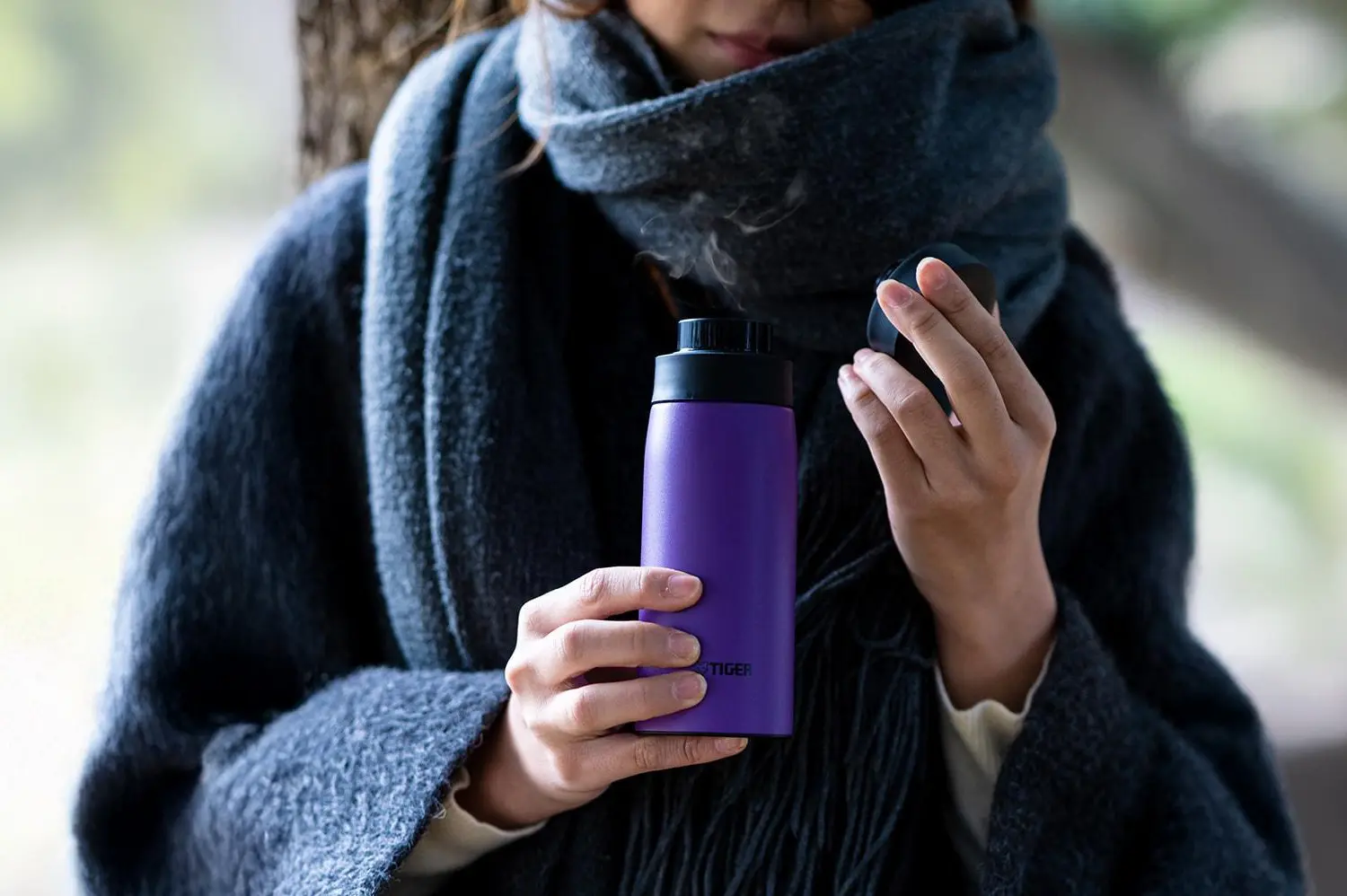
Table of Contents
The Causes of Sensitivity to Cold Vary

“Sensitivity to cold” refers to a constitution where the body cools down easily. While Western medicine treats it as a constitution, Kampo (traditional Japanese herbal medicine) refers to symptoms caused by coldness as “hiesho” (cold syndrome) and views it as something that requires improvement. This is because sensitivity to cold is believed to cause various ailments in the body.
However, the causes of this sensitivity differ depending on each person’s lifestyle and constitution. Therefore, it is important to identify the cause of your own sensitivity to cold and take appropriate measures. First, please check which of the following types applies to you.
Poor Blood Circulation
If your hands and feet feel particularly cold, poor blood circulation is likely the cause. Women, in particular, are said to be prone to this type of cold sensitivity due to hormonal imbalances from menstruation and lower muscle mass. Additionally, disturbances in the autonomic nervous system caused by stress or prolonged smartphone use can also lead to poor circulation. Bathing only with a shower instead of soaking in a tub is also believed to trigger sensitivity to cold.
Lack of Exercise
People who tend to lack exercise, such as those with desk jobs, are also prone to sensitivity to cold. The reason for this is a decline in muscle function. The metabolic function that warms the body is closely related to muscles. Generally, it is said that when muscles become stiff or decrease in mass, the body becomes more susceptible to cold. In desk work, sitting for long periods causes the muscles in the lower body to stiffen, making the lower body prone to cooling. Also, those without an exercise habit will likely have lower basal metabolism, making them more susceptible to cold sensitivity.
Consuming Too Much Cold Food and Drink
If your stomach feels particularly cold, you have the type of cold sensitivity where internal organs are chilled. In many cases, this type is caused by consuming too much cold food or drink. It is not just cold drinks and ice cream; summer vegetables like tomatoes and eggplants, wheat products, and seaweed are also foods that cool the body.
To Improve Sensitivity to Cold, “Warming the Body” is Key
To cure sensitivity to cold, the most important thing is to “warm the body.” Here, we will introduce methods to achieve this.
Clothing That Does Not Cool the Body
To improve sensitivity to cold, the basic rule is to wear clothing that does not let the body get cold. Layer your socks or wear a thin cardigan even in summer to prevent your body from chilling. Absorbent underwear is also useful for preventing cold sensitivity. Since cooled sweat chills the body, wearing underwear that effectively absorbs sweat can prevent your body from getting cold.
Soak Slowly in the Bath
For those with poor circulation, soaking slowly in a bath is effective. It is best to bathe in slightly lukewarm water for long enough to work up a gentle sweat. If you do not have time to soak in a tub, simply taking a foot bath can also warm your body.
Moderate Exercise and Stretching
If your sensitivity to cold is due to a lack of exercise, try to boost your metabolism through exercise and stretching. Building muscle increases metabolism, which can improve sensitivity to cold. Massaging pressure points effective for cold sensitivity or incorporating yoga into your routine is also effective.
Consume Warming Foods and Drinks
If you consume too many cold foods and drinks, focus on a balanced diet and consume items that can improve sensitivity to cold. Actively incorporating winter vegetables, root vegetables, and fermented foods is effective. Using supplementary foods like supplements is also a good idea. Additionally, by carrying a personal bottle, you can enjoy warm drinks anytime.
Top 3 Recommended Drinks for Your Personal Bottle to Combat Cold
From here, we will introduce three recommended drinks for sensitivity to cold, focusing on teas.
Chamomile Tea
Chamomile tea works to regulate the autonomic nervous system. When the autonomic nervous system is balanced and you are in a relaxed state, cold sensitivity caused by stress is improved, and the body warms up. It is also expected to have anti-aging effects, such as adding shine to skin and hair, making it a particularly recommended drink for women. However, chamomile tea has the effect of contracting the uterus, so pregnant women should refrain from drinking it.
Ginger Tea
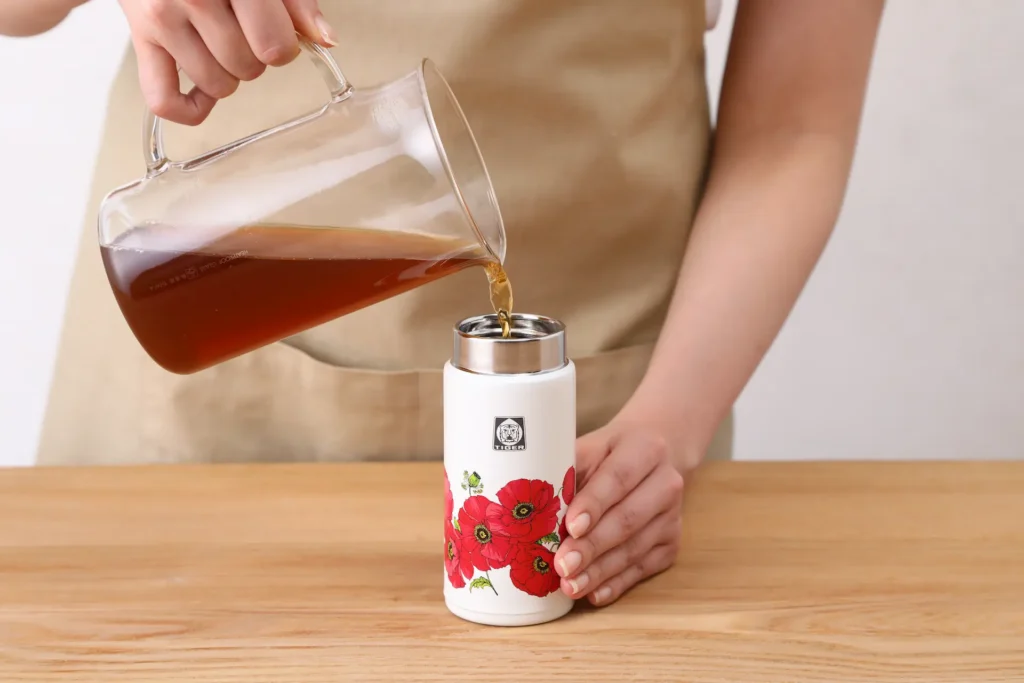
Ginger tea, made by pouring black tea over heated or dried ginger, is also recommended for improving sensitivity to cold. This is because heated or dried ginger contains a component called “shogaol,” which has a body-warming effect. However, raw ginger cools the body, so please be sure to use heated or dried ginger. Also, please avoid putting ginger directly into your personal bottle. There is a possibility that the ginger could clog the stopper. When carrying it, pour in the prepared ginger tea (liquid only), or put only the black tea in your personal bottle and carry the ginger separately.
Black Soybean Tea (Kuromame-cha)
Black soybean tea has been used as a Kampo medicine since ancient times. It has a body-warming effect and high nutritional value, making it a suitable drink for improving sensitivity to cold. You can make black soybean tea by boiling black beans that have been soaked in water overnight and straining the broth. If kept in the refrigerator, it can be preserved for about two days.
For all the above, adding milk when carrying them in a personal bottle is not recommended. Dairy products can corrode stainless steel and generate gas inside. This creates a risk of the lid or stopper becoming stuck, the contents spraying out, or parts breaking and scattering. Also, please avoid putting juices with pulp, salty drinks, and carbonated beverages into your personal bottle.
Summary
The method for improving sensitivity to cold differs depending on the cause. To improve it effectively, identify the cause of your own sensitivity to cold and find the solution that suits you.
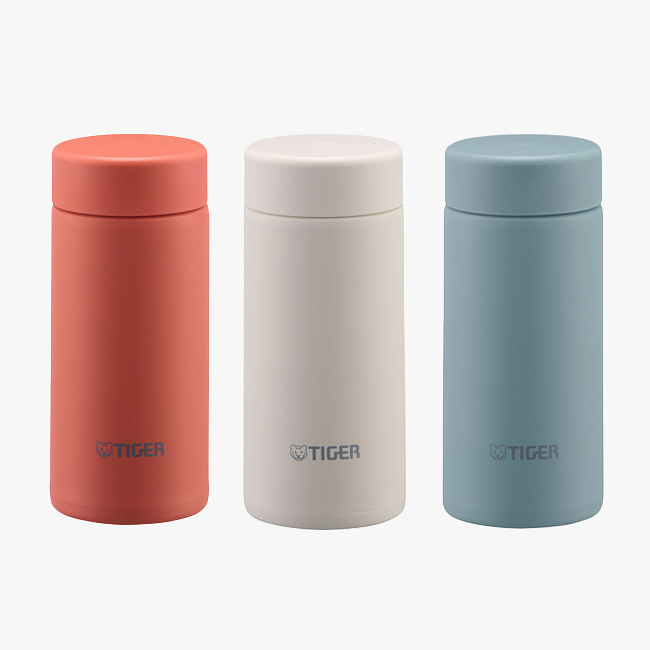
Limited Edition
Vacuum Insulated Bottle MMP-C020
Easy to clean with Stopper with the integrated gasket and dishwasher-safe feature
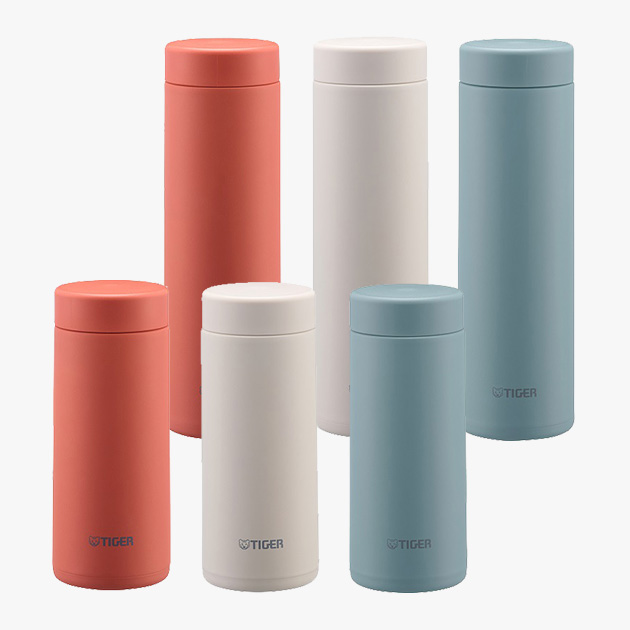
Limited Edition
Vacuum Insulated Bottle MMZ-C035/C050
Easy to clean with Stopper with the integrated gasket and dishwasher-safe feature