


Clean Your Electric Kettle with Citric Acid! A Clear Guide to the Causes of Grime and Simple Maintenance
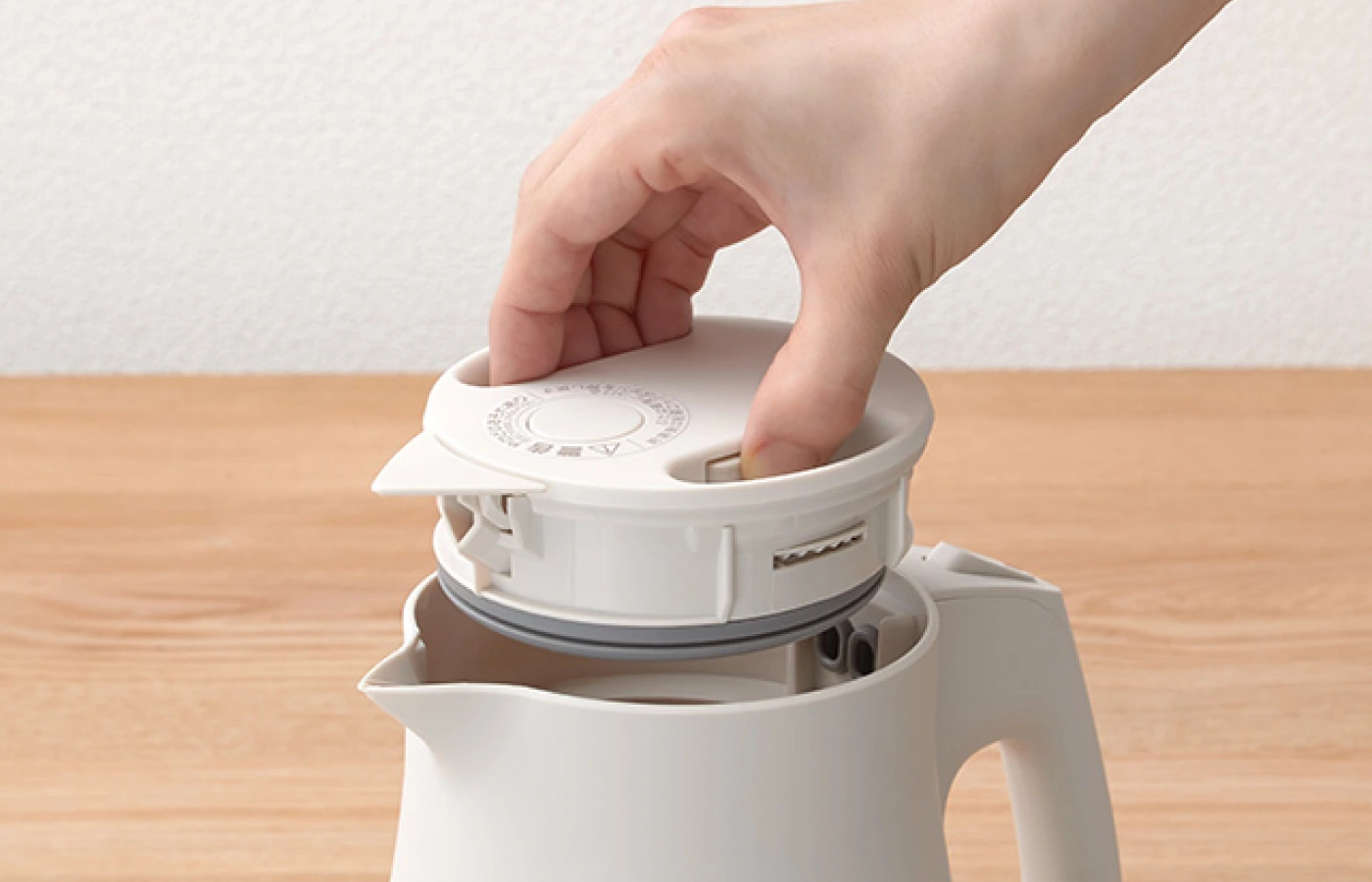
Electric kettles are wonderfully convenient appliances for boiling water in a flash, yet many people rarely give them a thorough cleaning. In reality, leaving a kettle unwashed allows invisible bacteria to multiply and stubborn mineral grime to bake onto the interior. The ultimate, natural remedy for this buildup is “citric acid.” This article provides a clear, step-by-step guide on how to effortlessly clean your electric kettle using citric acid.
Table of Contents
What Causes Dirt and Buildup in an Electric Kettle?
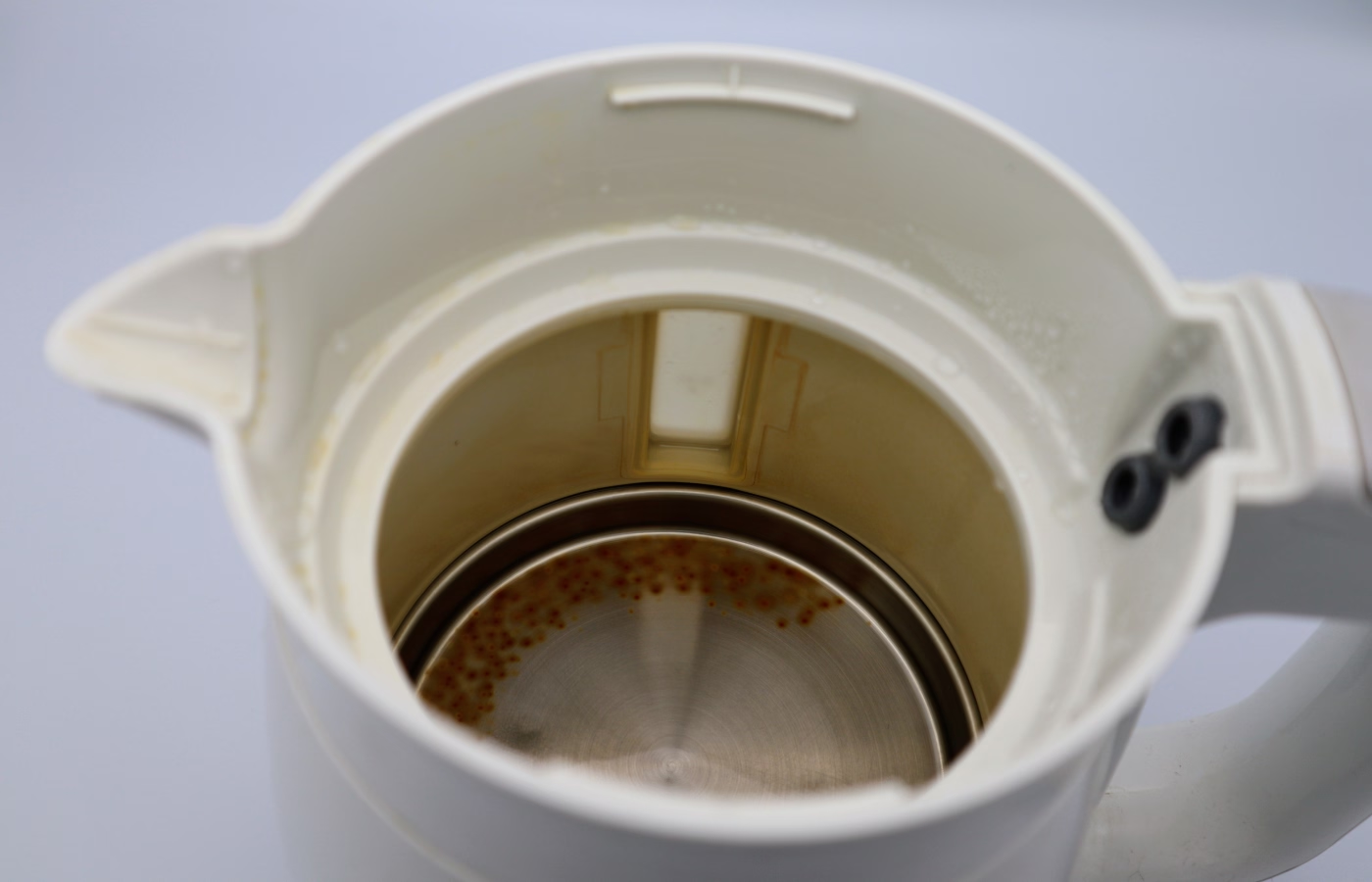
Because electric kettles are used daily only to heat fresh water, it is easy to assume that “water doesn’t leave dirt, and boiling heat sanitizes everything.” However, using a kettle continuously without cleaning causes invisible mineral films and residues to steadily accumulate.
Let’s take a detailed look at why grime develops inside a kettle that only ever holds pure water.
Interior Buildup Is Caused by Natural Minerals in Water
If you use an electric kettle continuously without maintenance, you may notice powdery white deposits or reddish-brown spots forming on the inner bottom.
While these marks might look like mold at a glance, they are actually caused entirely by naturally occurring elements present in tap water. For instance, the chalky white buildup is formed by minerals such as calcium and magnesium. Every time you boil water, these dissolved minerals crystallize, leaving behind a hard layer of limescale on the heating surface.
On the other hand, the reddish-brown specks are a form of rust caused by trace iron particles in tap water oxidizing under intense heat.
Exterior Grime Is Caused by Grease and Fingerprints
The sticky buildup on the outside of an electric kettle is primarily caused by natural skin oils from hands attracting airborne household dust. Furthermore, if your kettle sits on a kitchen counter near a stove, splattered cooking oils can create a tacky film across the outer surface over time.
The Hidden Risks of Neglecting Kettle Maintenance
Because the mineral deposits inside an electric kettle originate from tap water, they are not inherently toxic to the human body. However, leaving them uncleaned creates severe drawbacks beyond mere visual eyesores: it imparts a distinct bitter taste to your hot drinks and causes flaking limescale particles to mix into your tea or coffee. Furthermore, leaving oxidized iron rust unaddressed will cause a metallic odor to leach directly into your boiled water.
Additionally, when thick limescale coats the internal heating element, it drastically degrades thermal conductivity, forcing the kettle to take far longer to boil water. This not only inflates your electric bills unnecessarily, but prolonged heating cycles also place excessive thermal stress on internal micro-components, ultimately shortening the overall lifespan of the appliance.
Moreover, dust settling around the spout or sticky exterior grease can contaminate the interior when pouring. To enjoy clean, fresh water every day, routine maintenance is absolutely indispensable.
How to Clean Your Electric Kettle Using Citric Acid
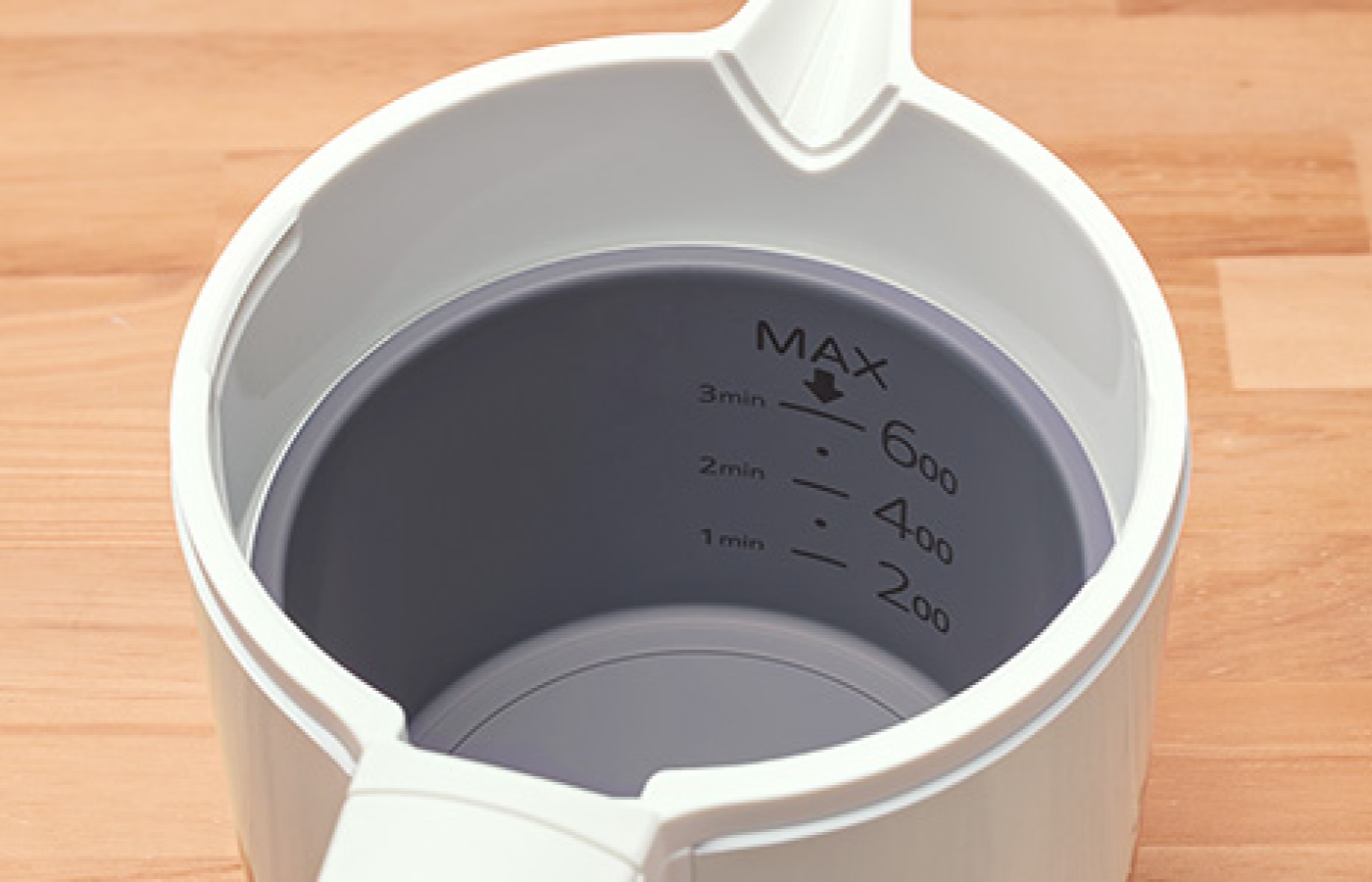
To deep-clean the interior of an electric kettle, using citric acid is the absolute finest method. Here is a detailed, step-by-step guide to resetting your kettle’s hygiene using citric acid.
- Add approximately 30g (2 to 3 tablespoons) of citric acid directly into the kettle. (Note: Please use food-grade citric acid or specialized citric acid designed for inner container cleaning.)
- Fill with fresh water up to the maximum water level mark, stir well, and close the lid.(Warning: Never fill with pre-heated or hot water, as this can cause violent boil-overs or electrical malfunctions.)
- Plug in the power cord, boil the water as normal, and let it sit for about 2 hours.Once the cycle finishes, leave the unit turned off with the lid closed for roughly 2 hours. The warm citric acid solution will break down and dissolve the calcified limescale.
- Unplug the power cord, remove the lid, and discard the hot water.To prevent electric shock or damage to internal circuitry, always unplug the power cord before handling. Always pour the water out through the spout to safeguard electrical components.
- If any residue remains, gently scrub it away with a soft sponge.(Note: For severe, heavy scale, repeat the entire process using fresh water and citric acid.)
- To thoroughly rinse the interior, stainless steel bottom, and spout, fill with plain water to the maximum mark, boil as normal, and pour all water out through the spout with the lid on.This final rinse completely purges any leftover citric acid solution and residual odors.
Essential Safety Precautions When Cleaning Your Kettle
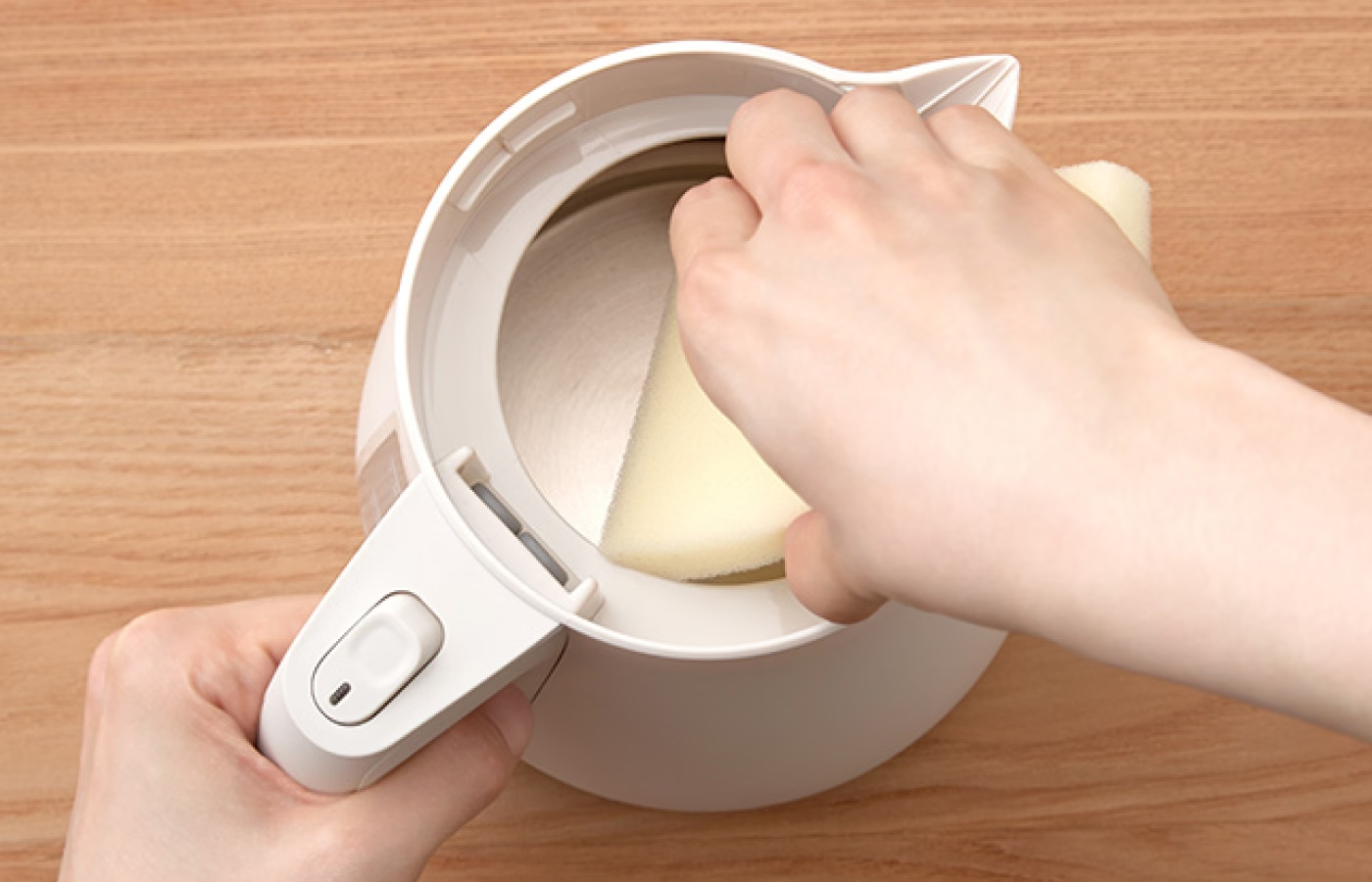
While cleaning an electric kettle with citric acid is straightforward, practicing improper washing techniques can trigger short circuits or cause unexpected accidents. Keep these critical warnings in mind when maintaining your kettle.
Never Submerge the Kettle Body or Power Base in Water
Because an electric kettle is a precision electronic appliance, never wash the main body or the power base directly under running water, nor place them in a dishwasher. If water penetrates the power connector or base pins, it can cause short circuits, severe electrical shock, or permanent damage.
To clean the exterior body or power base, wipe them down with a soft cloth dampened with water and squeezed completely dry. Always use a dry, soft cloth to gently remove dust from electrical contact points.
Avoid Chlorine Bleach, Stiff Sponges, and Abrasives
Even if the interior stains are severe, never use chlorine-based bleach. Chlorine aggressively corrodes stainless steel and risks generating toxic fumes when heated. Furthermore, melamine sponges, abrasive cleansers, steel wool, or scouring pads containing abrasive particles must never be used, as they strip the protective interior coating and scratch the metal core.
Do Not Use Baking Soda for Interior Kettle Cleaning
Baking soda (sodium bicarbonate) is inherently alkaline. Because limescale buildup is also alkaline, baking soda cannot chemically neutralize or dissolve the scale.
Furthermore, baking soda does not dissolve easily in water. Boiling baking soda inside a kettle causes undissolved granules to sink and bake onto the bottom heating element, or clog the narrow pouring channels within the spout.
Usage Tips to Prevent Daily Kettle Contamination
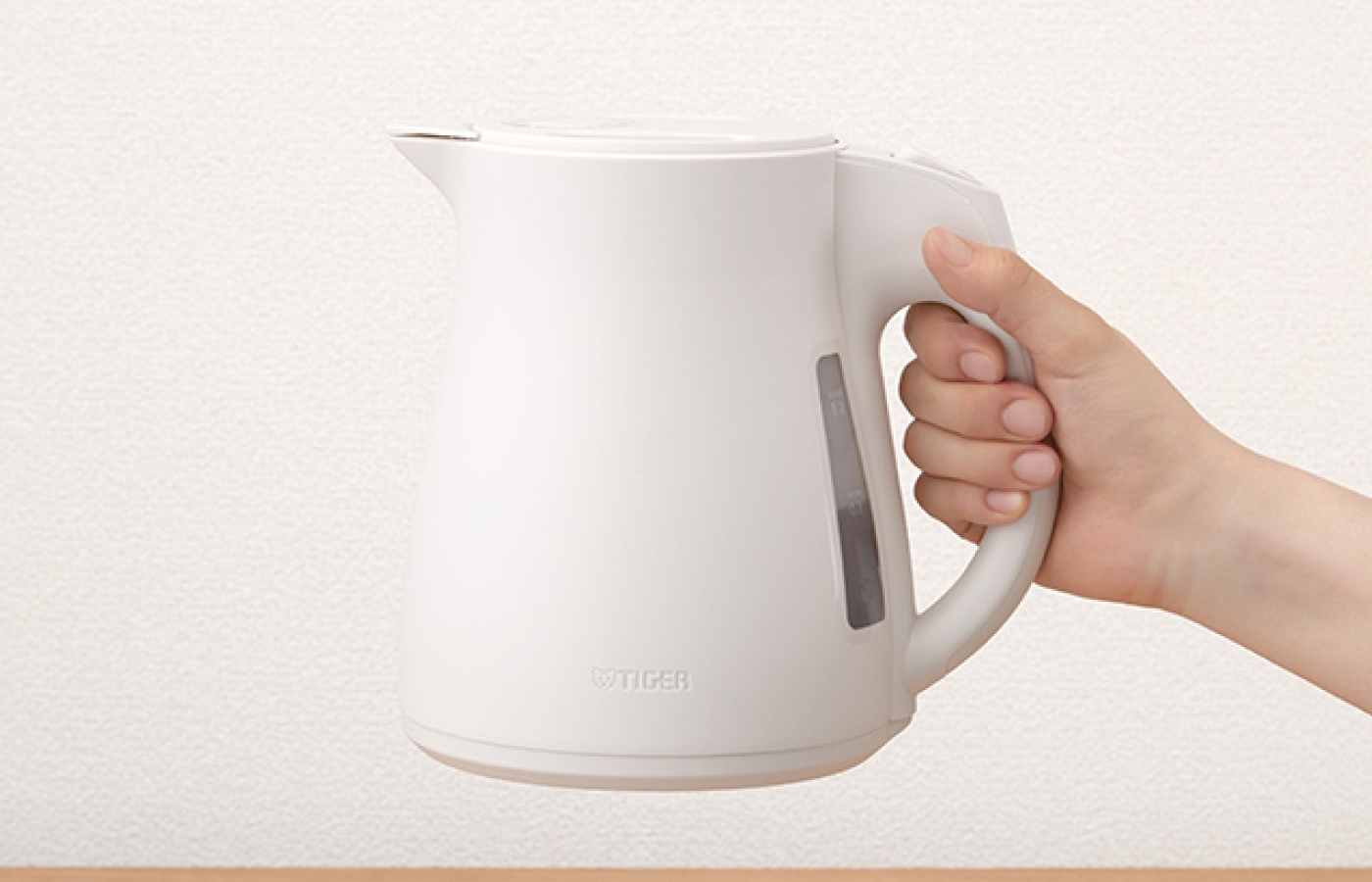
While an everyday electric kettle naturally accumulates minerals, making small adjustments to your daily handling routine can drastically slow down limescale buildup and odor absorption. Here are actionable tips to keep your appliance pristine.
Never Leave Water Sitting Inside
Never allow leftover boiled water to sit inside the kettle after use; discard it immediately. Leaving stagnant water inside allows dissolved minerals to settle and harden, accelerating the formation of crusty limescale.
Furthermore, a continuously humid interior creates an ideal environment for mold and slime to develop behind the lid and around the spout. Establish a daily habit of emptying your kettle completely after every use.
Leave the Lid Open to Dry After Use
Condensation gathers inside a freshly used kettle, meaning internal humidity lingers even after pouring out the water. Leaving the lid closed traps this moisture, encouraging bacterial growth, stale odors, and tacky films.
After emptying your kettle, leave the lid prop open for a while to allow the interior to dry thoroughly.
Make Monthly “Citric Acid Cleaning” a Routine Habit
Because minerals accumulate incrementally with every boil, neglecting maintenance causes limescale to build up in dense, hard layers that are difficult to purge in a single wash.
To maintain pristine performance and taste, establish a habit of performing a citric acid clean roughly once every month.
Keep Your Electric Kettle Pristine for Years with Proper Care
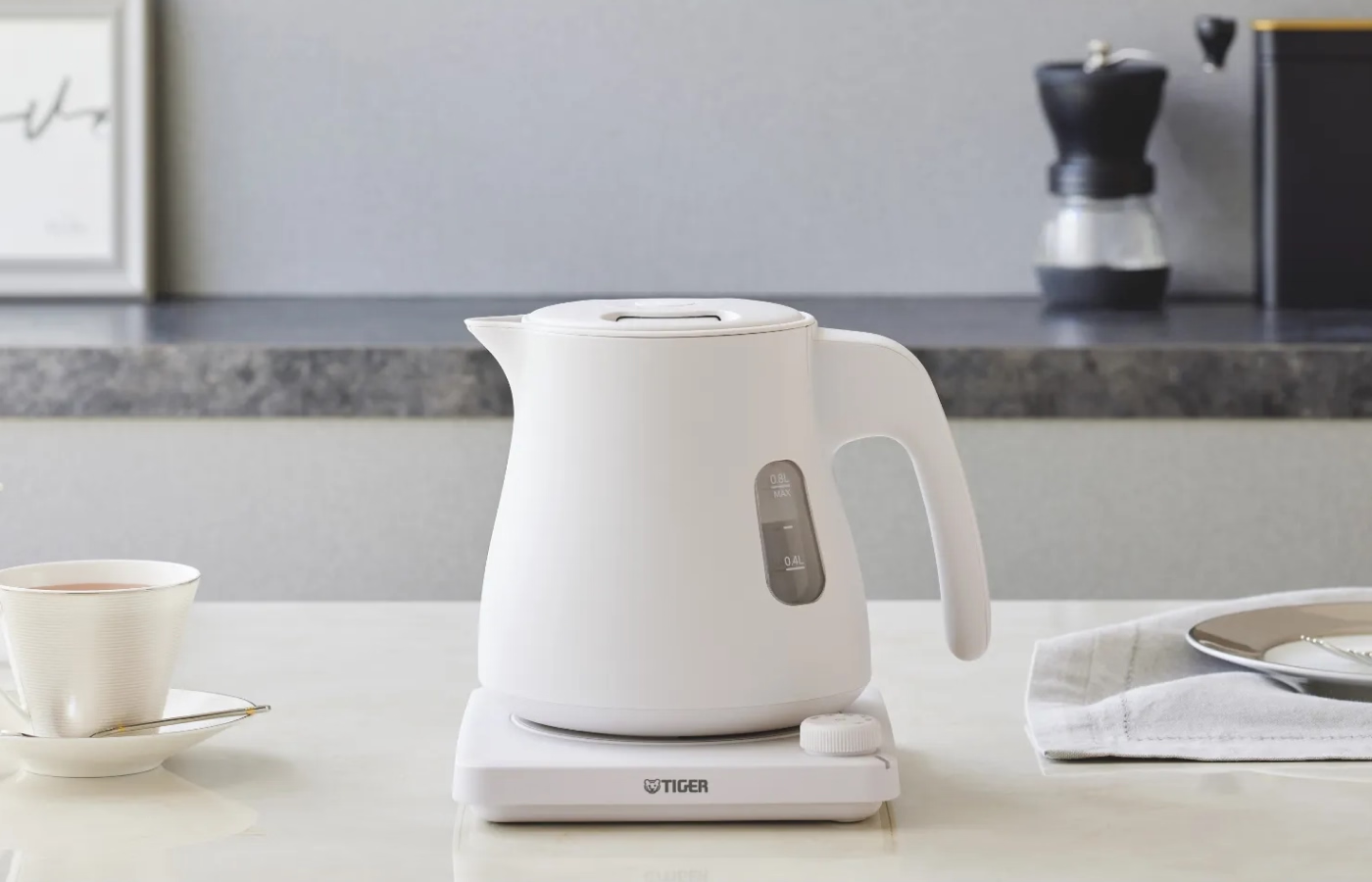
Even if an electric kettle looks spotless on the outside, minerals and scale steadily accumulate within. Because neglecting maintenance compromises water taste and appliance longevity, performing a periodic citric acid deep clean is highly recommended. Use the cleaning steps and safety guidelines outlined in this article to care for your kettle properly and enjoy fresh, delicious hot water every day!
Explore Our Lineup of Electric Kettles
Cleaning Powder for Water Boiler & Warmer (Citric Acid) PKS-A120 – Tiger Corporation