


Can You Put Carbonated Drinks in a Water Bottle? Why It’s Risky and the Best Compatible Bottles
Have you ever thought on a scorching day or during an outdoor adventure, “I wish I could pack a cold carbonated drink in my water bottle”? However, filling a standard insulated bottle with fizzy beverages can lead to hazardous issues, such as internal pressure building up, sudden geysers of liquid, or even structural damage.
This article provides a clear guide on why standard bottles are incompatible, critical safety warnings, and how to choose the perfect dedicated bottle for your favorite bubbly drinks.
Table of Contents
Why You Shouldn’t Put Carbonated Drinks in Standard Water Bottles
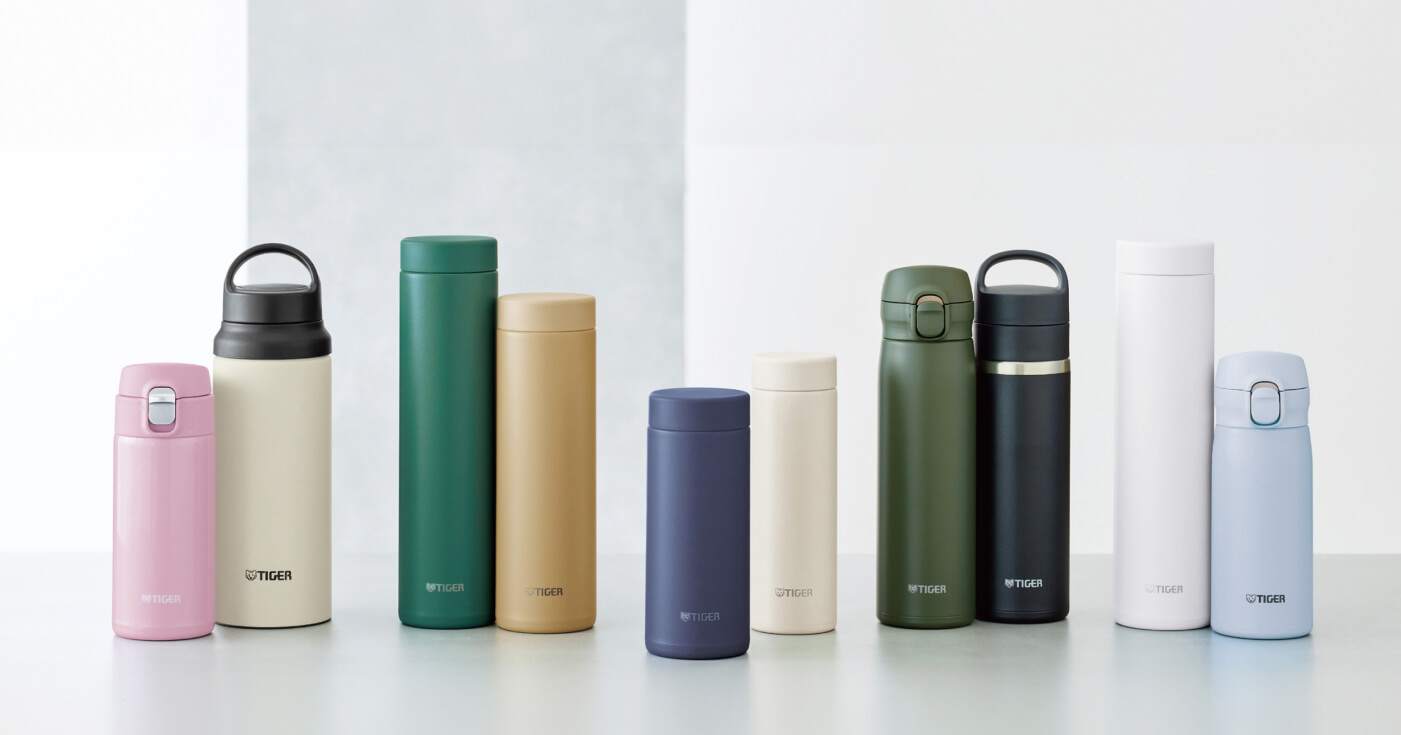
Because fizzy beverages contain pressurized carbon dioxide gas and acidic properties, their use in everyday, standard water bottles is strongly discouraged. Let’s break down the exact reasons why putting carbonated drinks in a typical bottle is a major safety hazard.
Internal Pressure Surges Can Deform the Bottle or Cause Accidents
Standard insulated bottles are explicitly designed to hold non-reactive liquids like water or tea; their architecture does not account for the rapid rise of internal pressure caused by carbonation.
The carbon dioxide gas trapped in carbonated beverages expands violently when subjected to ambient temperature fluctuations or structural vibrations from walking. If this internal load surpasses the bottle’s structural threshold, it can deform the stainless steel body, violently burst the lid open, or rupture internal components. To avoid such failures, never use a standard bottle outside its intended purpose.
Lids Can Jam or Backfire with Dangerous Eruptions
When a carbonated drink is sealed inside a standard bottle, the mounting internal pressure tightly jams the threading, making the lid incredibly stiff and difficult to unscrew. Forcing it open is extremely hazardous, as the pent-up pressure releases all at once, creating a violent geyser of explosive liquid.
Beyond staining your clothing and ruinous damage to your bag, the rapid decompression can launch internal plastic components or the cap itself like a projectile, causing serious facial or bodily injuries.
Internal Corrosion Can Leach Metals into Your Beverage
Another critical danger of placing carbonated drinks in a standard water bottle is the risk of inner lining degradation, which can cause metal to leach into your drink. Carbonated beverages are inherently acidic. If kept inside a bottle for extended periods, or if the inner lining has preexisting flaws, the acid can cause localized corrosion. This is especially risky if there are invisible, microscopic scratches on the interior steel, as metals can seep directly into the liquid.
This chemical breakdown not only creates an unpleasant metallic odor and alters the taste, but it also compromises overall quality, flavor profile, and hygiene safety.
Other Liquids You Should Avoid Putting in a Standard Bottle
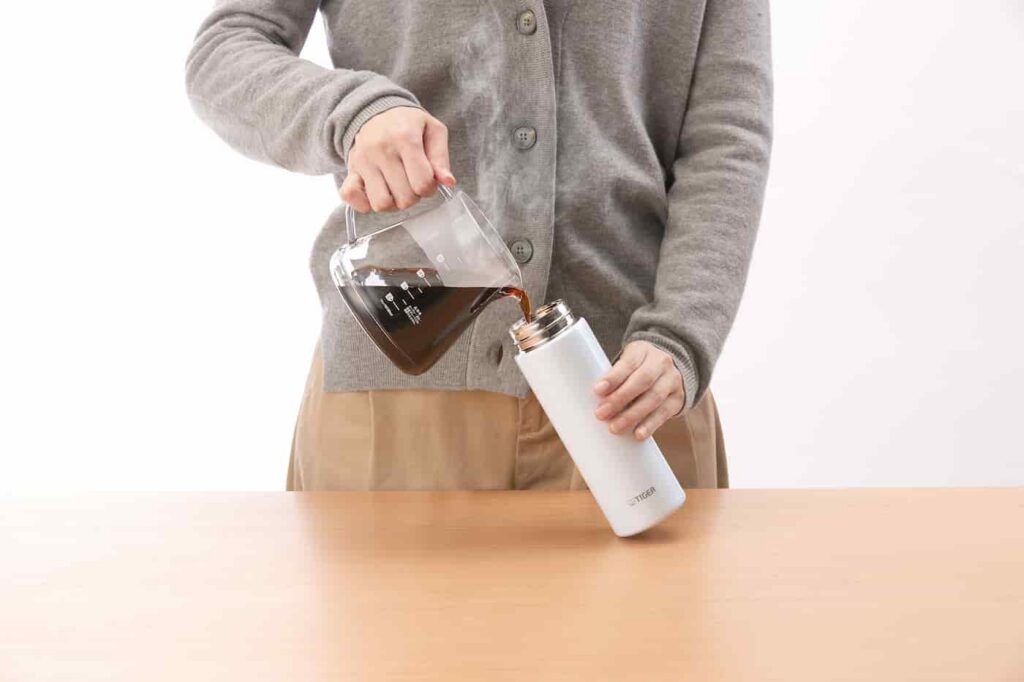
Beyond carbonated soft drinks, several other popular beverages require extreme caution when it comes to packing them in a standard water bottle. Let’s look at what else should be kept out of your everyday flask.
Dairy & Milk-Based Beverages
Milk, café au lait, and any other drinks containing dairy components are notoriously ill-suited for standard insulated flasks.
Dairy products spoil at a rapid pace when exposed to room temperature or lukewarm conditions. As bacteria multiply over time, they release gases that spike the internal pressure of the container. Consequently, this creates a high risk of the liquid violently spraying out the moment you open the lid. Furthermore, highly nutritious dairy environments are a breeding ground for harmful pathogens, increasing the risk of food poisoning. Since dairy residues cling to the interior walls far more than water or tea, improper washing can trigger rust or stubborn odor retention.
Fruit Juices
Fruit juices possess high acidity, which can over time damage the inner lining of stainless steel water bottles and other metallic flasks. Allowing acidic juice to sit inside a bottle for extended periods increases the risk of metallic components leaching out, degrading the flavor profile and presenting a distinct hygienic hazard.
Furthermore, if acid-driven corrosion continues to advance unchecked, it can lead to rust accumulation or cause invisible micro-punctures to form through the metal core.
Sports Drinks
Depending on the specific engineering of your water bottle, you must also be mindful of the high sodium and acidic contents found in popular sports drinks.
If these chemical elements remain in contact with a standard metallic surface for extended durations, they can trigger metal leaching just like fruit juices. To ensure complete peace of mind, it is highly recommended to use a specialized flask explicitly labeled as “Sports Drink Compatible.” Even when using a compatible model, avoid leaving the drink inside for prolonged periods and establish a habit of washing the bottle immediately after use to mitigate any long-term corrosion risks.
Alcoholic Beverages
As a fundamental rule, alcoholic beverages should never be poured into standard water bottles. Effervescent options like beer, highballs, or hard seltzers carry massive amounts of carbon dioxide gas, which drastically raises internal pressure and can cause the lid to launch dangerously upon opening.
Additionally, strong alcohol concentrations can rapidly degrade internal rubber gaskets and silicone seals, causing a loss of airtight integrity and resulting in messy leaks.
Fermented Beverages
Artisanal homemade juices, sweet amazake, probiotic dairy drinks, and kombucha are all fermented beverages that should be strictly barred from standard bottles. Fermented liquids contain live cultures that continuously consume sugars over time, generating carbon dioxide gas right inside the container.
As this expanding gas stays trapped within an airtight seal, it builds up massive energy, presenting a severe risk of a volatile blowout the instant the flask is unscrewed.
Key Considerations When Choosing a Carbonated Drink-Compatible Bottle
Dedicated carbonated drink-compatible bottles are custom-engineered to gracefully manage the pressure of carbon dioxide gas while introducing clever safety designs. Here are the key features to look for when selecting your product.
① Verify It Is Explicitly Labeled “Carbonated Compatible”
To travel safely with fizzy drinks, using a bottle specifically engineered for carbonation is absolutely vital.
Products explicitly approved for carbonated drinks are built on the prerequisite of handling elevated internal pressure, coming equipped with specialized safety valves or pressure-release channels that vent gas safely during opening. Always check the packaging or instruction manual to confirm this exact product designation.
② Inspect Safety Engineering Like Pressure-Release Mechanisms
Carbonated-compatible flasks feature varied operational mechanisms depending on the manufacturer. Some utilize a specialized cap threading that steps down pressure progressively as you twist, while others employ an automatic decompression valve that engages the instant a lock is flipped.
The key is finding a design that feels intuitive to you—one that actively suppresses liquid geysers even if the bottle was shaken during travel, allowing you to open the flask smoothly with minimal hand force.
③ Opt for Minimal Parts and Effortless Cleaning Layouts
Because the majority of carbonated beverages contain high sugar contents, sticky residues can easily accumulate around the mouth and gaskets, creating an ideal habitat for bacteria. Choosing a highly deconstructible architecture that allows easy washing is ideal.
In particular, an interior treated with a ultra-smooth mirror finish to suppress excessive carbonation bubbling, or advanced non-stick coatings that repel stains and odors, allows you to rinse away stickiness effortlessly. To ensure seamless, hygienic everyday use, look for a low component count combined with high-performance inner wall processing.
How the Tiger “Vacuum Insulated Carbonated Bottle” Mechanism Works
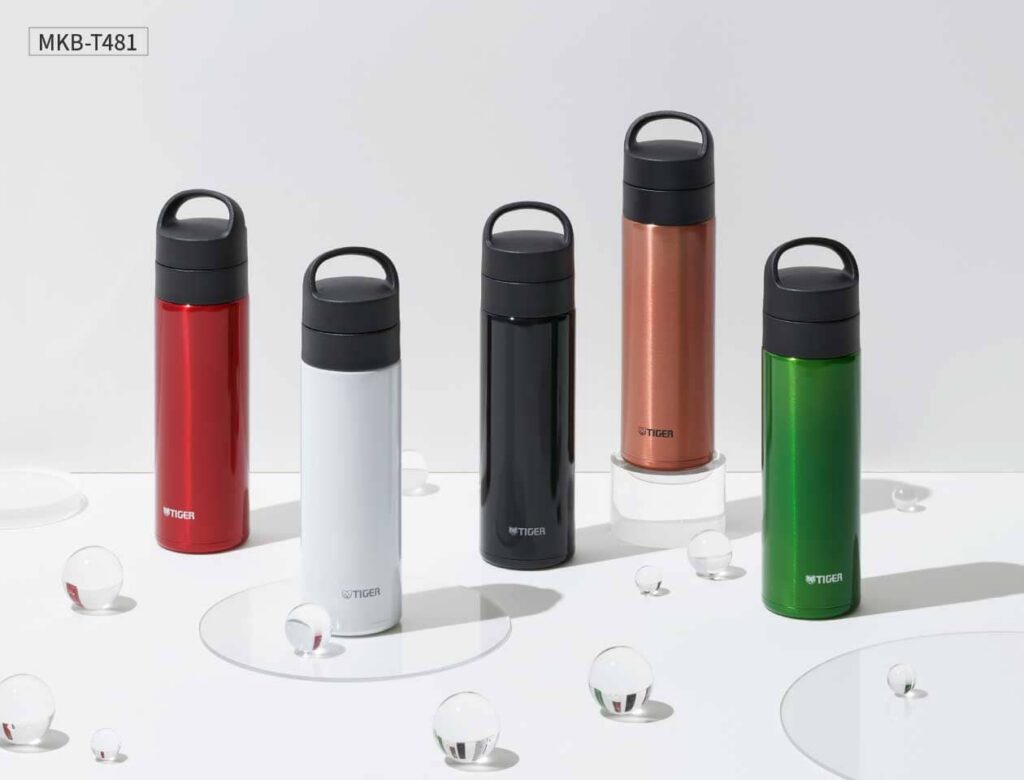
Tiger’s premium Vacuum Insulated Carbonated Bottles utilize a proprietary, custom-engineered architecture known as “BubbleLogic” to ensure carbonated drinks can be transported with absolute safety.
Gas Release Mechanism (Safety During Cap Opening)
The moment you begin unscrewing the cap, the architecture is engineered to vent the internal carbon dioxide gas first. By preventing the vessel from popping open all at once, this layout minimizes the risk of fluid eruptions or the cap forcefully flying off due to internal pressure.
Safety Valve Mechanism (Protection Against Abnormal Pressure Surges)
In rare worst-case scenarios—such as a bottle mistakenly left inside a hot car causing internal temperatures and pressure to skyrocket abnormally—an automated safety valve engages to vent the excess gas automatically. This dual-layered safety net prevents the stainless steel body from bursting or deforming.
Bubble-Preserving “Super Clean Plus” Interior Processing
The inner walls of the bottle feature our advanced “Super Clean Plus” processing, which smooths out microscopic irregularities to the absolute limit. Because the steel surface minimizes friction and roughness, it curtails the sudden release of gas upon pouring, allowing you to sustain that crisp, premium throat-hit of fresh carbonation for hours.
Essential Safety Guidelines for Packing Carbonated Beverages
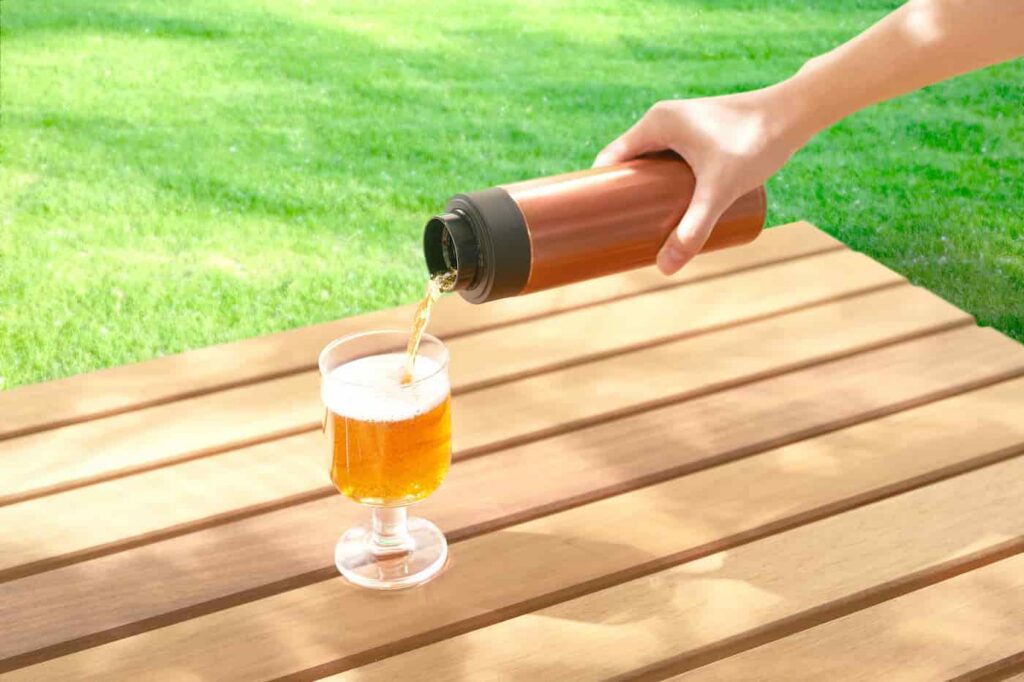
Even when utilizing a dedicated carbonated drink-compatible bottle, adhering to a few vital operational guidelines is essential to guarantee user safety.
Before Filling|Chill Thoroughly and Respect Max Fill Lines
To transport fizzy drinks flawlessly, the absolute first requirement is to “chill the beverage thoroughly.” Warm liquid causes carbon dioxide gas to expand rapidly, spiking internal pressure and inducing sudden leaks or blowouts. Additionally, dropping ice cubes directly into carbonated liquids triggers violent bubbling, so exercise extreme care when filling.
Furthermore, always respect the specific “maximum fill capacity” of your model. To leave adequate clearance for expanding gas to accumulate safely, ensure the liquid never exceeds the internal water level markings.
During Transit|Minimize Vibrations and Travel Upright
Because aggressive shaking and mechanical impacts easily destabilize carbonation and drive up pressure, the trick is keeping the flask as stable as possible during travel.
Keep the bottle perfectly vertical inside your backpack or tote, fixing it securely so it cannot tip over horizontally. By mitigating excessive turbulence on the move, you prevent sudden eruptions when it’s time to take a sip.
Upon Opening|Keep Away from Your Face and Unscrew Slowly
To protect yourself against unexpected sprays that could cause minor injuries or ruin your clothing, always hold the flask well away from your face when opening. Releasing a massive build-up of gas in a split second can cause the drink to jet out powerfully. Twist the cap incrementally, waiting to hear the distinctive “hiss” of escaping gas as you slowly and smoothly let the pressure bleed off.
Enjoy Crispy, Refreshing Carbonated Drinks on the Go with a Compatible Bottle
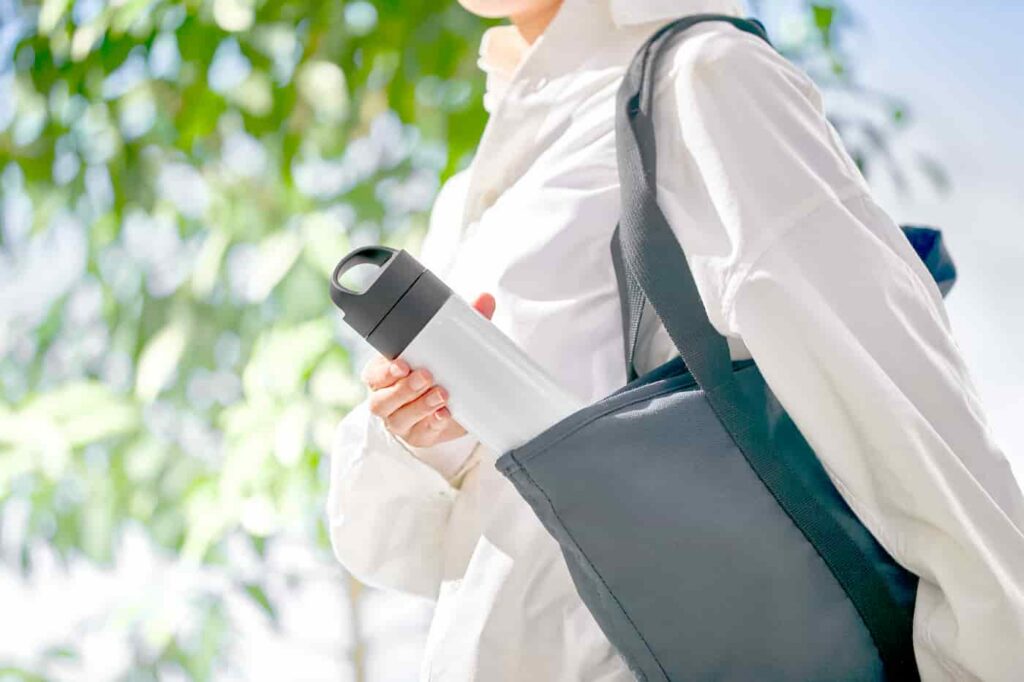
Pouring fizzy beverages into a standard water bottle can lead to unintended structural failures or acid-driven metal leaching, presenting a real risk of personal injury or product damage. If you wish to travel with carbonated drinks, investing in a custom-engineered, dedicated flask is paramount.
Carbonated-compatible bottles utilize ingenious architectures designed to vent gas safely while withstanding heavy internal pressures. For anyone who wants to experience ice-cold, effervescent refreshment anywhere on the globe, these advanced bottles are the ultimate addition to your everyday carry.
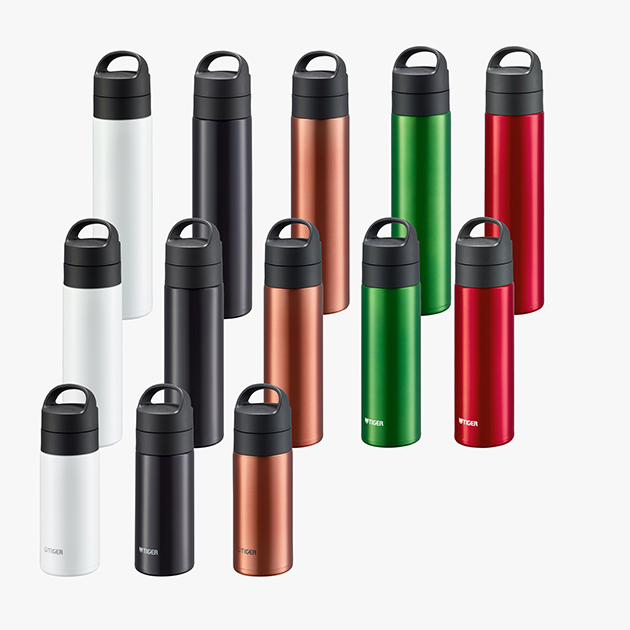
Vacuum Insulated Bottles
Vacuum Insulated Carbonated Bottle MKB-T361/T481/T601
Hot, cold, and carbonated drinks are all OK! A slim type vacuum insulated carbonated drink bottle.
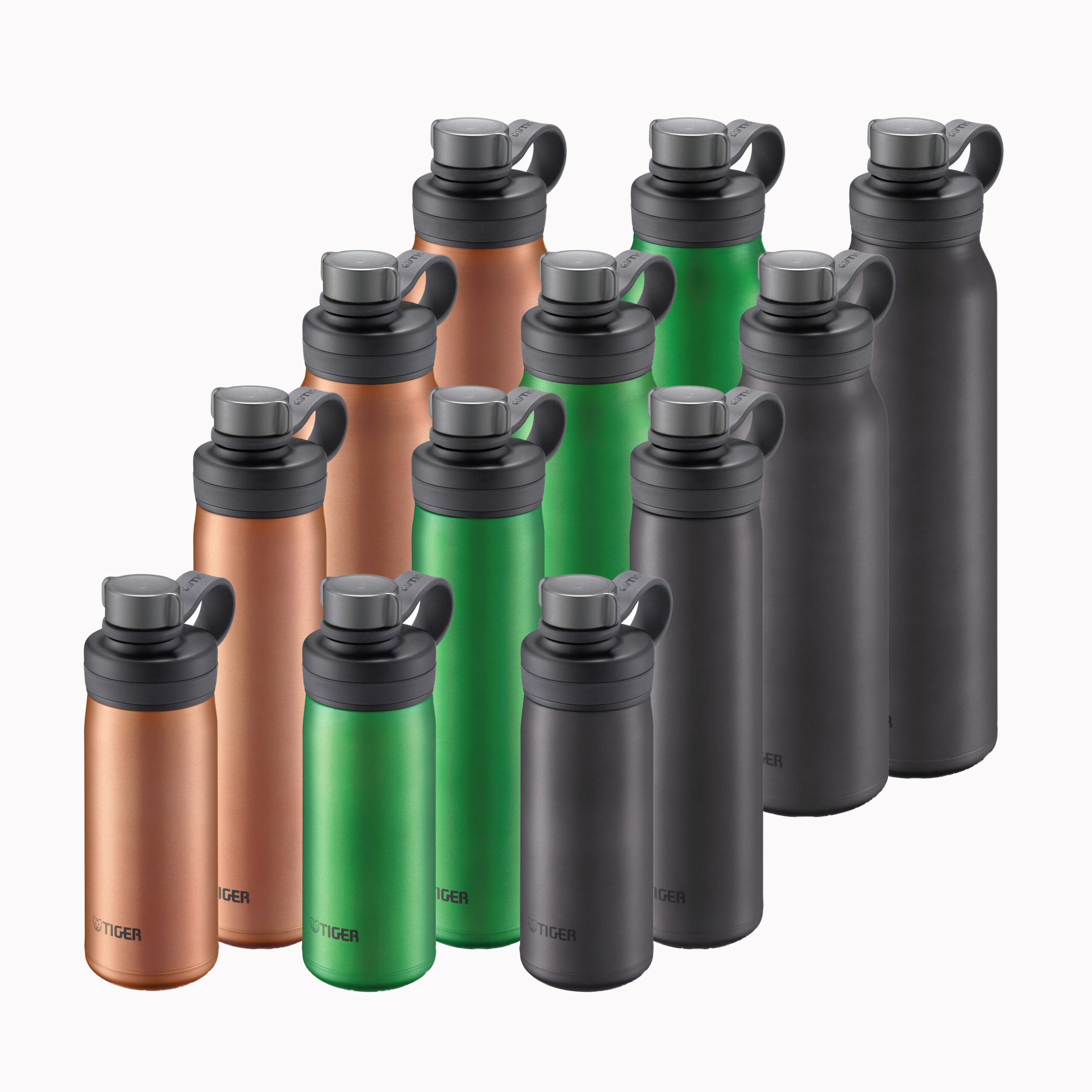
Vacuum Insulated Bottles
Vacuum Insulated Carbonated Bottle MTA-T050/T080/T120/T150
You can keep your carbonated drinks cool and refreshing anytime, anywhere.