
How to Adjust the Water Ratio for “Shinmai” (Newly Harvested Rice): A Simple Guide to Perfectly Fluffy Rice, Tips, and Common Mistakes
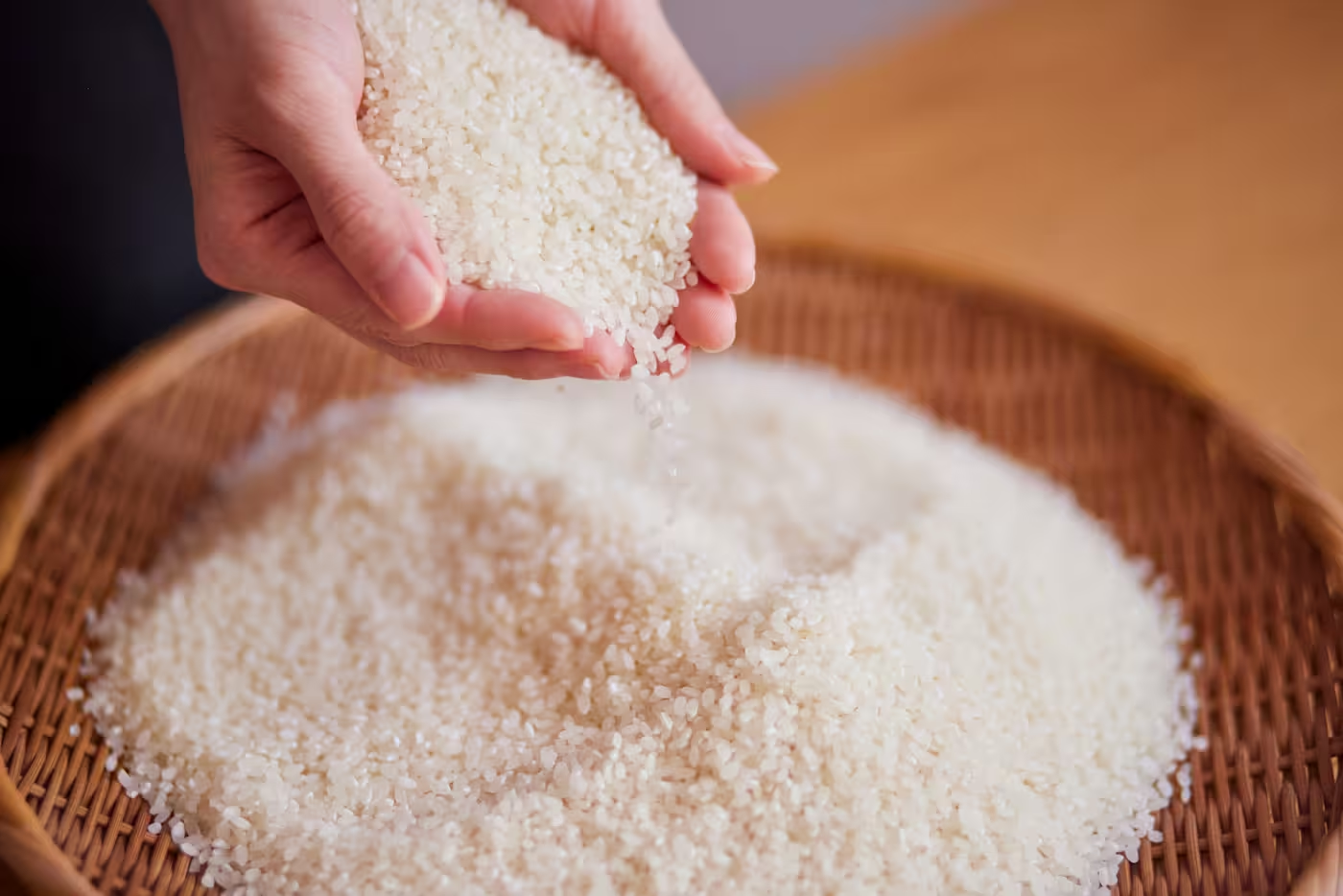
Every autumn, many eagerly look forward to seeing “Shinmai” (newly harvested rice) hit store shelves. Since Shinmai differs from regular aged rice (“Komai”) in moisture content and texture, adjusting the water level during cooking is the secret to unlocking its ultimate flavor. This article breaks down the differences between new and aged rice, along with essential tips for cooking Shinmai to perfection.
Table of Contents
Differences Between New Rice (Shinmai) and Aged Rice (Komai)
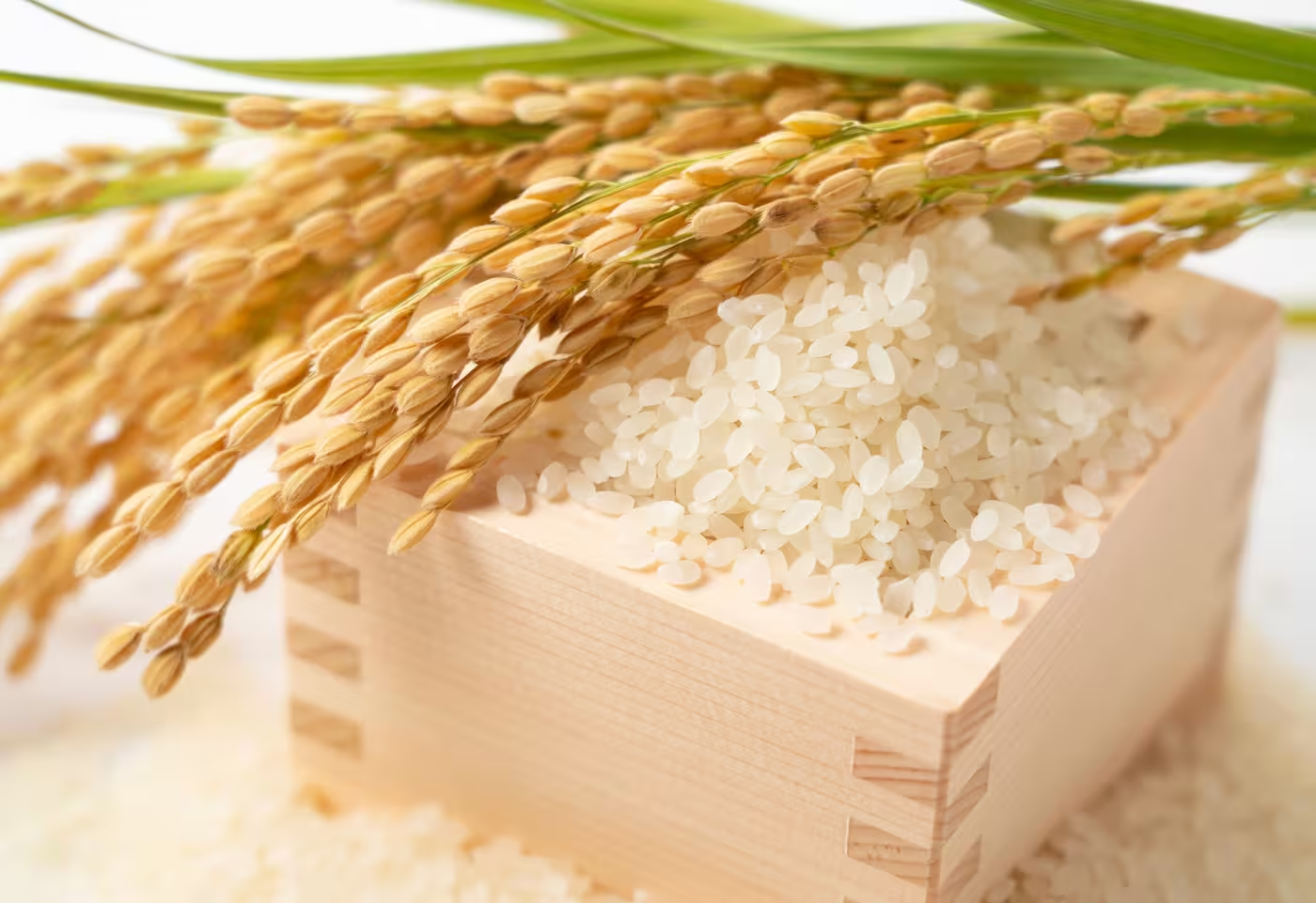
According to food labeling standards, rice can only be labeled as “Shinmai” if it is packaged or bagged by December 31st of the year it was harvested. Specifically, it applies to the following two cases:
- Brown rice packaged by December 31st of that harvest year.
- Milled white rice processed and packaged by December 31st of that harvest year.
Rice harvested in previous years is generally referred to as “Komai” (aged rice). The distinct characteristics of Shinmai and Komai are summarized below:
| Feature | New Rice (Shinmai) | Aged Rice (Komai) |
|---|---|---|
| Properties & Condition | Soft cell walls; absorbs water quickly. | Firm cell walls; absorbs water slowly. |
| Aroma & Flavor |
• Refreshing, fresh aroma. • Brings out the natural sweetness of the rice. |
• Mild, subtle aroma. • Light and clean flavor profile; easily absorbs seasonings. |
| Cooked Texture | Glossy and sticky with a delightfully chewy texture. | Less sticky; separate, distinct grains ideal for loose textures. |
| Appearance | Translucent, bright white with a hint of blue. | Calming, muted creamy white. |
| Best Used For | Plain white rice, salted rice balls (Onigiri), raw egg over rice (TKG). | Curry, fried rice, sushi rice, pilaf. |
Recommended Water Ratio Guide for Cooking Shinmai
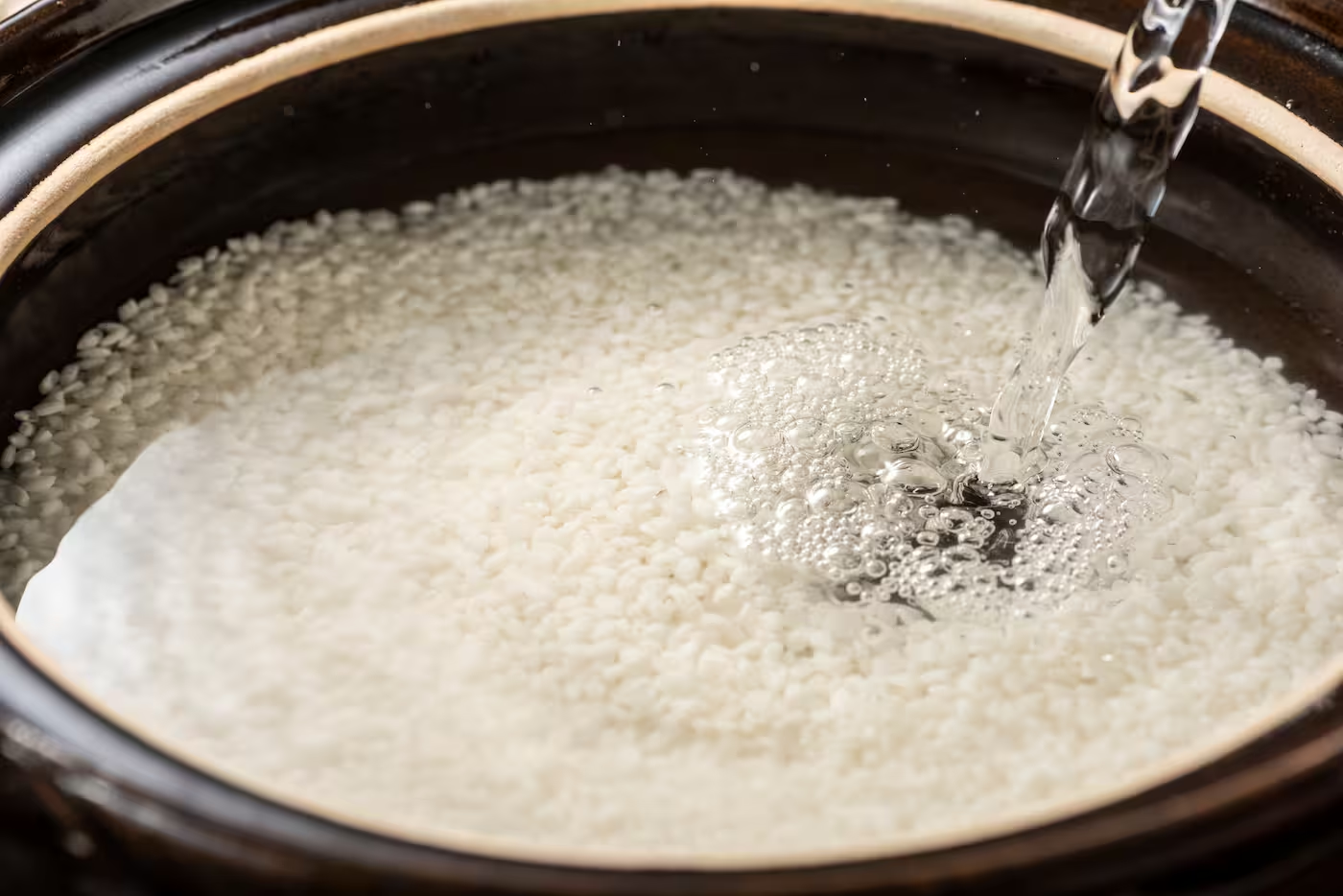
As a rule of thumb, when cooking Shinmai, you should reduce the water by about 1 to 2 tablespoons compared to the standard lines inside your rice cooker bowl.
Because Shinmai has softer cell tissue and absorbs water exceptionally fast, using the regular amount of water can make it overly mushy. By slightly cutting back on the water, you can preserve its signature stickiness while ensuring every single grain cooks up beautifully distinct and firm.
If you prefer a firmer bite, you can experiment by lowering the water line by a few millimeters to match your taste. Alternatively, if your rice cooker has a dedicated “Shinmai Mode,” its specialized program will automatically bring out the best possible flavor and texture.
Note: If you use a Tiger rice cooker equipped with a dedicated “Shinmai” menu, there is no need to manually reduce the water. Simply fill it up to the standard water line, and the cooker will deliver your ideal, perfect texture.
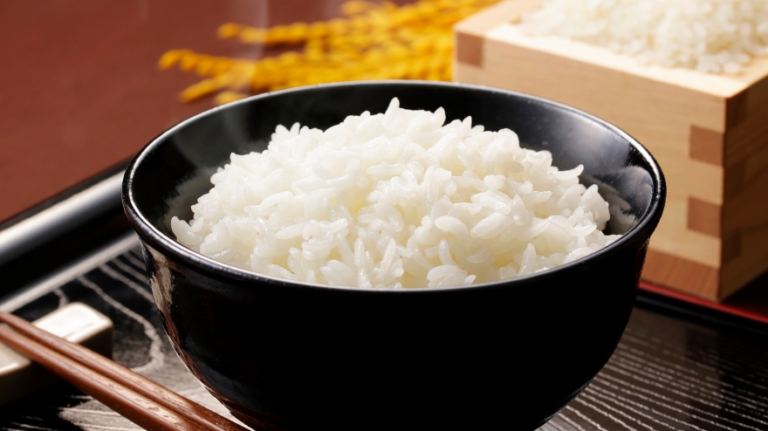
1. Measuring
First, measure your rice precisely. Even a tiny discrepancy in the amount of rice or water directly impacts the final texture. When using a measuring cup, make sure to level it off at the top for an accurate read. Being meticulous in this initial step is the biggest secret to avoiding mistakes.
2. Washing (Rinsing)
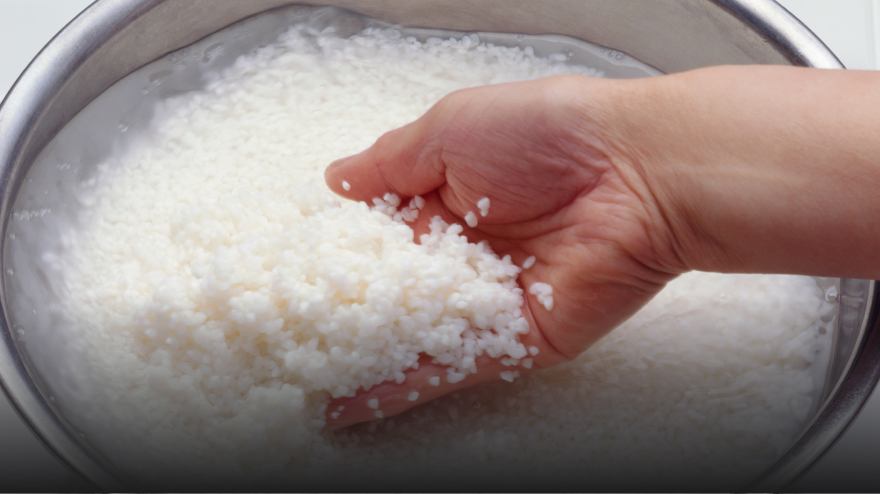
Since Shinmai has delicate cell walls that bruise easily, the key is to wash it gently and quickly without applying too much pressure. Rice absorbs water fastest during the very first rinse; therefore, discard the initial water immediately to prevent the rice from absorbing any lingering dirt or bran odors.
3. Soaking
Aim to soak the rice for about 30 minutes to an hour. Allowing the grains to absorb water all the way to the core ensures even, uniform cooking. However, since Shinmai absorbs water rapidly, over-soaking can lead to a soggy texture. Ideally, adjust by season: shorter in the summer (30 minutes) and longer in the winter (1 hour).
Note: When using a rice cooker, the automated program usually includes a soaking phase after you press the start button, so you do not need to pre-soak the rice beforehand.
4. Cooking
While the standard mode on your rice cooker yields excellent results, definitely take advantage of a “Shinmai Mode” if available, as it automatically recalibrates the heat settings for fast-absorbing rice. If you are cooking in a traditional ceramic pot, the baseline rule is to heat it over high heat, drop it to low, and let it thoroughly steam after turning off the flame.
5. Steaming and Fluffing
Once the cooking cycle finishes, let the rice steam for about 10 to 15 minutes. This steaming process allows excess moisture to evaporate, giving the entire batch a plump, uniform finish.
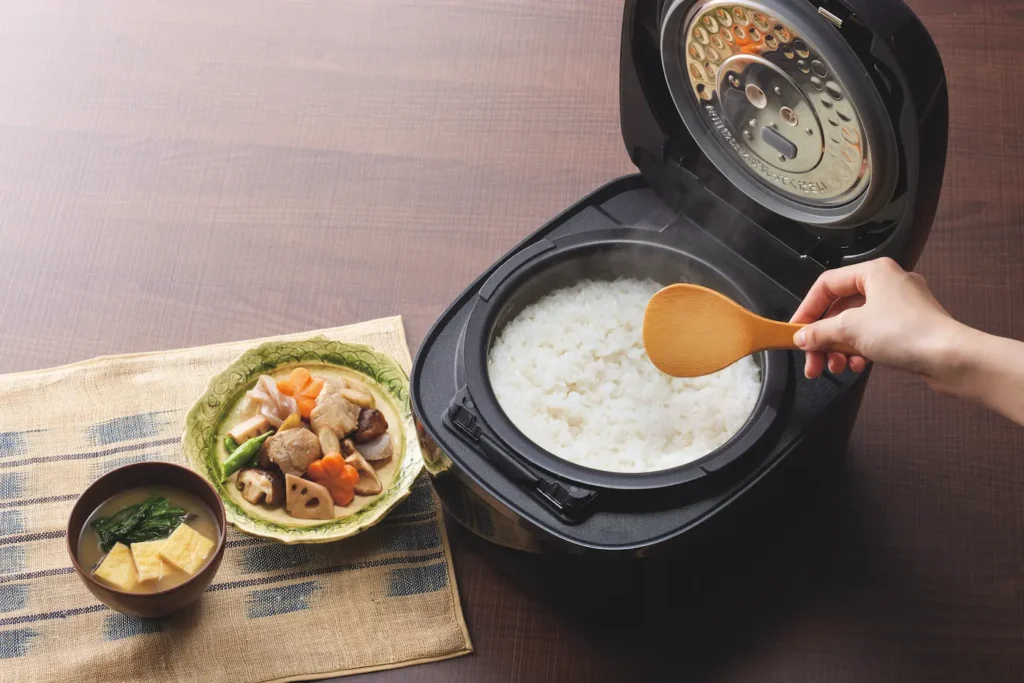
If you are using a rice cooker, the “steaming” process is already completed by the time the alert sounds. Open the lid immediately and use a rice paddle to fluff the rice from the bottom, incorporating air. Letting that extra steam escape gives you beautifully defined, glossy grains.
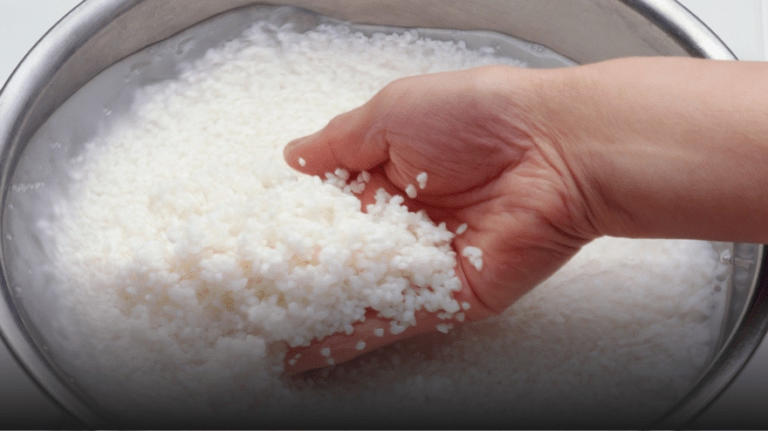
Avoid Washing Too Aggressively
When rinsing Shinmai, be careful not to scrub or press down too hard. The soft cell walls of new rice can easily fracture from heavy friction, causing starches to leak out, which leads to a sticky, mushy texture and broken grains. Swirling it quickly and gently is the secret to maintaining the perfect bite.
Don’t Leave It Sitting in the Cooker
Avoid leaving the rice unattended once it finishes cooking. The trapped, excess steam inside the pot will condense into water droplets, making the surface of the rice soggy. Open the lid right away and use a gentle cutting motion to fold and fluff the rice from the bottom. Letting the trapped steam escape creates a firm exterior on each grain, resulting in a glossy, beautiful finish.
Never Keep It on “Warm” for More Than 3 Hours
Extended use of the keep-warm function is a definitive no-no. Highly absorbent Shinmai retains a lot of moisture right after cooking; keeping it at a high temperature for too long mimics a “continuous boiling” state. This drastically accelerates yellowing and ruins the fresh aroma. To preserve its peak flavor, it is highly recommended to wrap and freeze any portions you won’t eat immediately.
Tips to Elevate Your Shinmai Experience
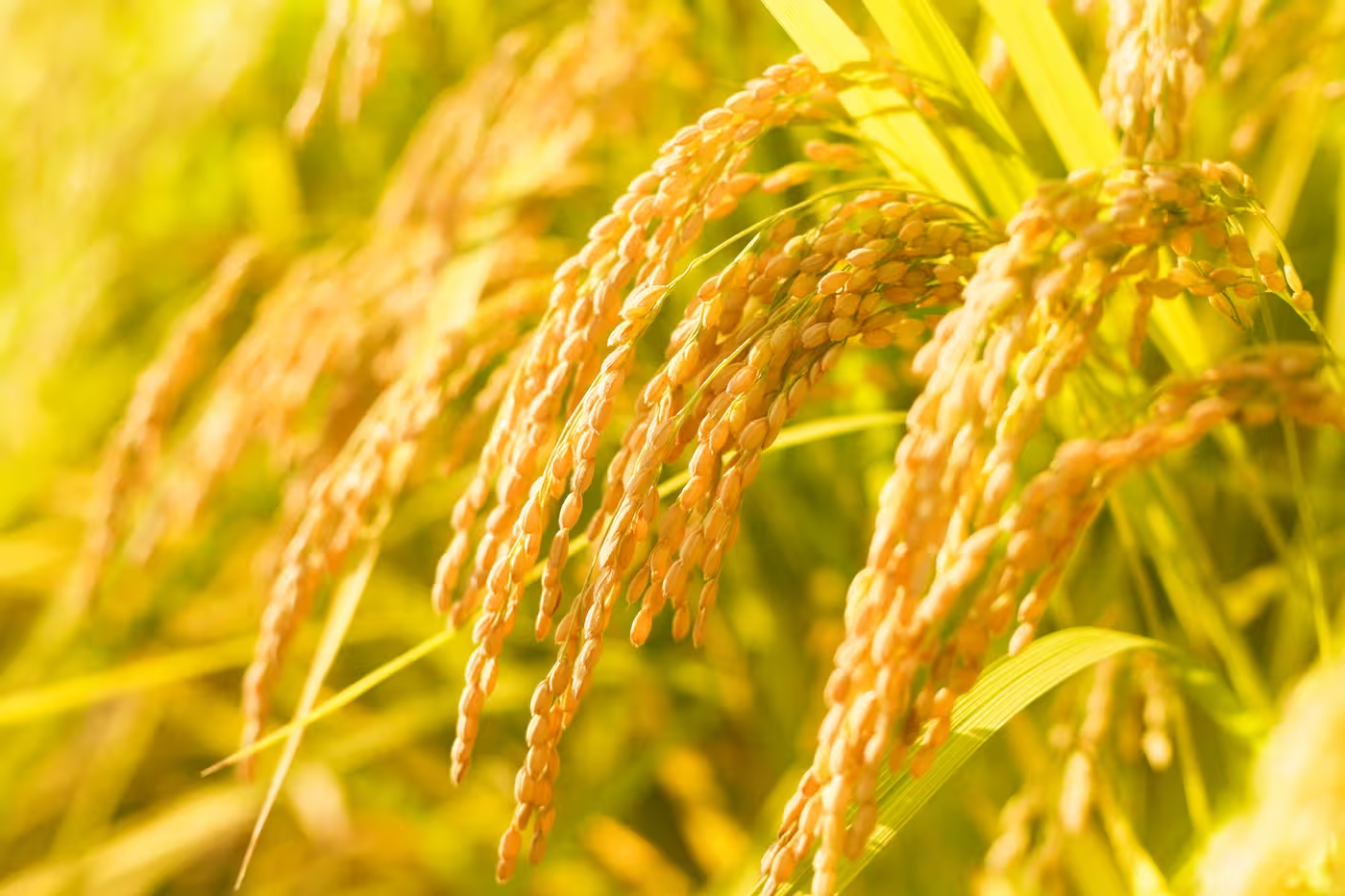
Here are a few extra tips to help you enjoy the rich flavor and fragrance of Shinmai even more.
Explore Different Rice Varieties
Choosing a rice variety that matches your personal preference expands the joy of Shinmai. Rice profiles vary wildly in sweetness, stickiness, and aroma depending on the cultivar. For instance, while “Koshihikari” offers a superb, well-rounded balance, “Akitakomachi” is prized for its clean, light texture. Understanding these unique personalities helps you discover your ideal bowl.
Elevate Your Water Quality
Water is a crucial element that dictates the final taste of your rice. Soft water is highly recommended; it easily penetrates to the core of the grain, drawing out natural sweetness while creating a plump finish. If the chlorine smell of tap water bothers you, simply switching to filtered water or soft bottled mineral water will make a world of difference in flavor.
Invest in Quality Cookware
The tools you use—whether a specialized rice cooker or a traditional clay pot—completely transform the final result. Because heating styles and pressure distribution vary, the same rice can turn out entirely different in terms of sweetness and grain definition. A ceramic pot cooked over an open flame coaxes out bold aromas and intense sweetness, while a high-performance rice cooker effortlessly replicates that ideal texture through precise digital programming.
Tiger’s “Donabe Gohoubi-daki (Ceramic Pot Cooking) Series” perfectly replicates the intense high heat and pressure of a traditional clay pot.
This advanced model features a custom tuning function tailored to 79 different rice varieties, including a dedicated preset designed to bring out the unique characteristics of Shinmai. Furthermore, it offers regional cooking profiles calibrated to where the rice was grown, alongside a keep-warm function that locks in fresh-cooked deliciousness over time.
By utilizing these features, you can maximize the inherent sweetness and aroma of new rice, turning every daily meal into a gourmet experience.
Frequently Asked Questions About Shinmai
Here are answers to some of the most frequently asked questions regarding Shinmai.
Should I adjust the water amount depending on the season?
Ideally, yes. It is best to slightly adjust the water ratio to compensate for seasonal shifts in room and water temperatures.
In the winter, water temperatures drop, meaning it takes longer for moisture to reach the core of the grains. We recommend adding a fraction more water or extending the soaking time to 60–90 minutes. Conversely, in the summer, rice absorbs water much faster, so keeping the water level slightly below the line yields a well-balanced texture.
Additionally, soaking your rice in lukewarm water during winter is an excellent trick to achieve a fluffy finish without compromising the delicate texture of Shinmai.
What is the best way to store Shinmai?
To lock in the freshness of Shinmai, it is vital to keep it in an airtight container stored in a cool, dark place. Rice is highly susceptible to humidity, oxidation, and pests, so it must be sealed off from excess airflow.
In a standard household, the vegetable compartment of your refrigerator is the ultimate storage spot. Keeping it in a environment with a low, stable temperature and controlled humidity will preserve that distinct, fresh-harvested flavor for much longer.
What is the best way to eat and enjoy Shinmai?
To truly appreciate the deep sweetness and rich aroma unique to Shinmai, keeping it simple is unbeatable. When cooked, the surface starches of new rice dissolve to create a thick, flavorful layer called “Oneba.” This starched layer makes it incredibly easy to perceive sweetness on the palate. Just adding a tiny pinch of salt—like in a basic salted rice ball (Onigiri)—maximizes its natural flavor profile. We highly recommend tasting your first seasonal batch as plain white rice or a simple salted Onigiri to experience its peak seasonal deliciousness.
Master the Right Cooking Method to Fully Enjoy the Best of Shinmai
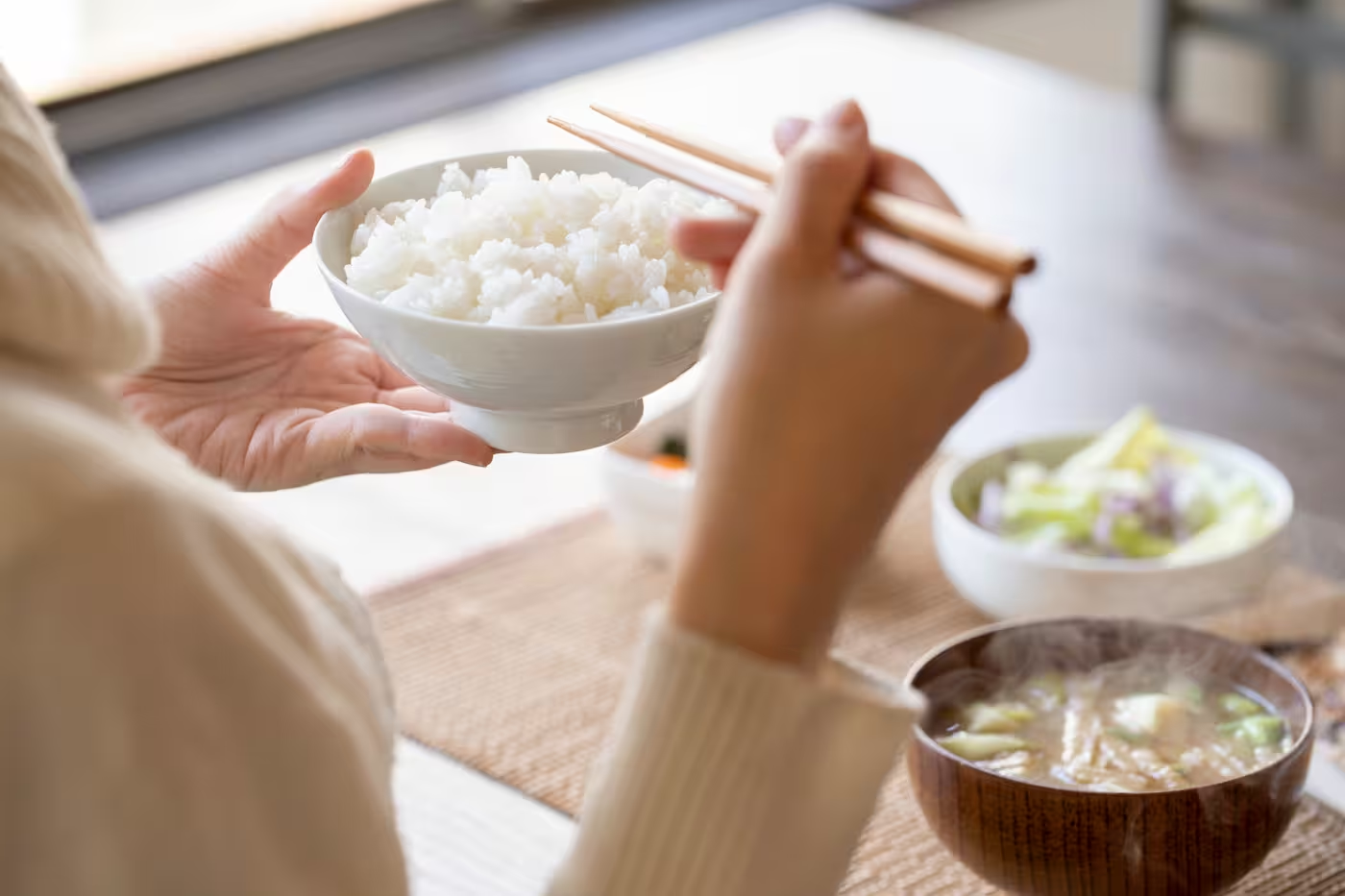
The true magic of Shinmai lies in its juicy tenderness and vibrant sweetness. By reducing the water slightly and being mindful during the washing, soaking, and steaming stages, you can coax out a wonderfully fluffy texture and aroma. On the flip side, heavy scrubbing or leaving it on the keep-warm setting for too long will dull its delicate flavor profile.
Keep these simple tips in mind to fully indulge in the exquisite, unmatched taste of this season’s newly harvested rice!