
Electric Water Boilers & Warmers vs. Electric Kettles: A Complete Guide to Benefits, Drawbacks, and How to Choose
Both electric water boilers & warmers and electric kettles are incredibly convenient home appliances that let you boil water effortlessly, yet they differ significantly in their features, capacities, and ideal uses. This article provides a comprehensive comparison between these two appliances, guiding you on how to choose the perfect model. By understanding their unique characteristics, you can select the ultimate companion that aligns beautifully with your everyday needs and lifestyle.
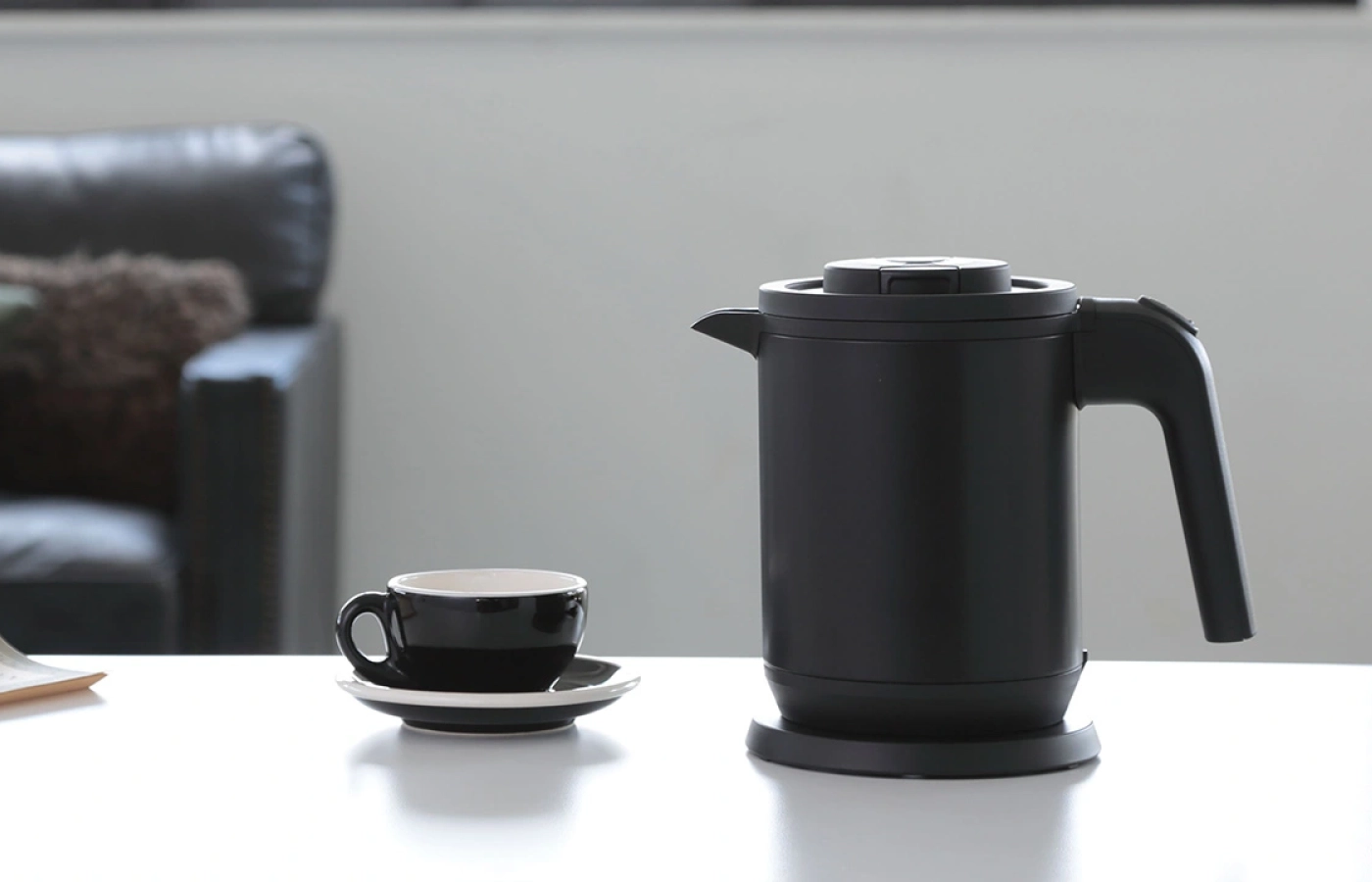
Table of Contents
Comparing the Differences Between Water Boilers & Warmers and Electric Kettles
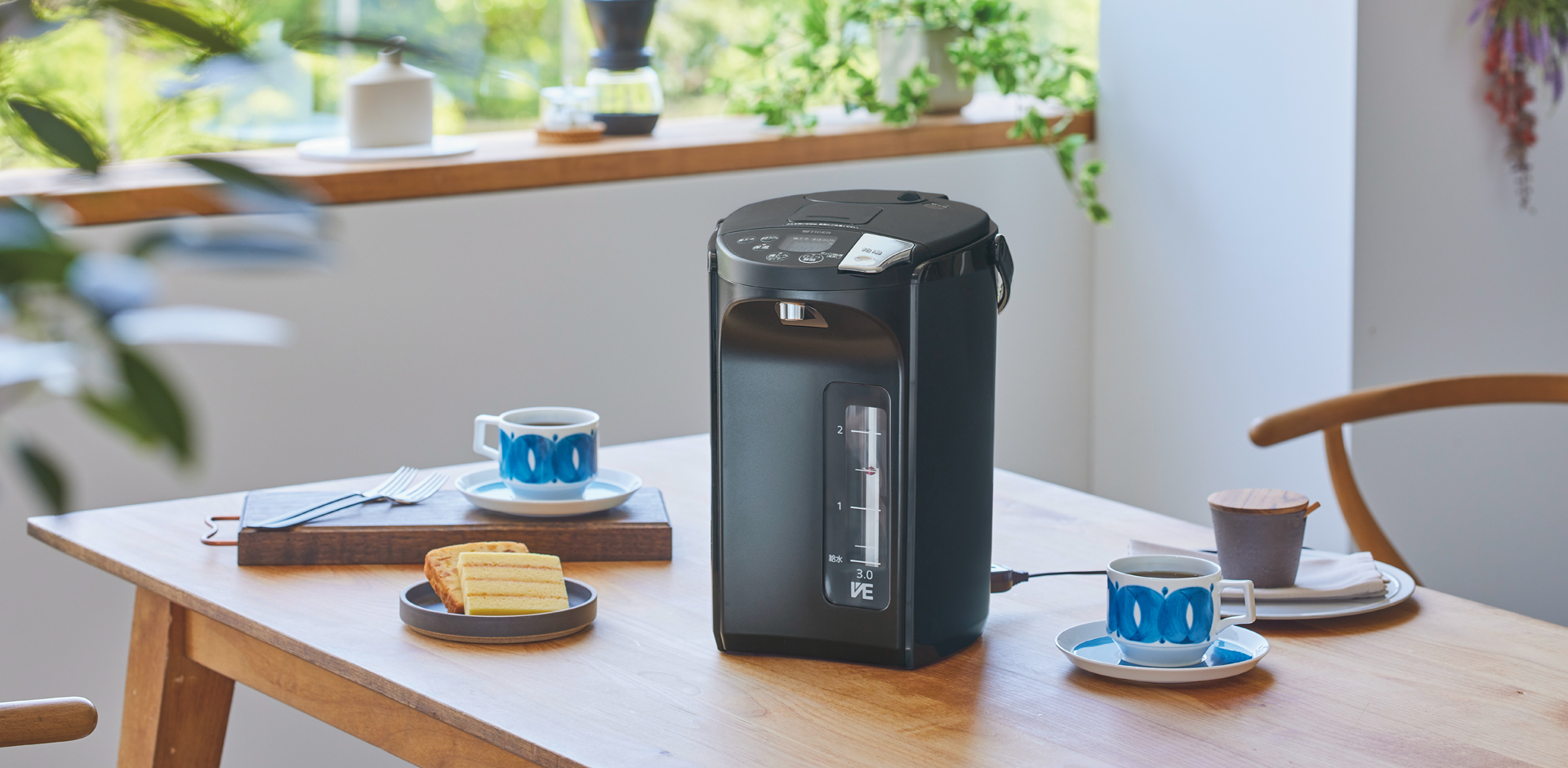
Electric water boilers & warmers and electric kettles excel in completely different areas—ranging from the volume of water they can boil at one time to whether or not they offer robust thermal retention features.
Capacity
One of the most defining differences between an electric water boiler & warmer and an electric kettle is the volume of water they can heat in a single cycle.
Standard electric water boilers & warmers boast generous capacities ranging from approximately 2.2L to 5L, allowing you to secure a massive amount of hot water with just one boil. In contrast, electric kettles are designed to be much more compact, typically holding between 0.6L and 1.5L, which is perfect for boiling only what you need on the spot.
Thermal Retention (Keep Warm Function)
The presence of a dedicated heat-retention system is another major dividing line between these two appliances. As a rule, electric water boilers & warmers come equipped with advanced keep-warm functions that sustain a high temperature for hours, completely eliminating the hassle of reboiling. Electric kettles, on the other hand, rarely feature thermal retention; even when they do, the function is usually limited to a short duration of about 30 minutes.
Electricity Costs
The two appliances also operate on entirely different energy-consumption models and cost structures. To maintain hot water at a precise temperature, an electric water boiler & warmer continuously draws power even when it is in standby “keep-warm” mode. Additionally, because it heats a much larger volume of water at once, it takes longer to reach a full boil, which naturally tends to drive up overall electricity consumption. For standard, non-energy-saving models, the average power consumption is roughly 700W to 1,300W during the boiling phase and about 35W to 40W during the keep-warm phase. An electric kettle, however, boils small amounts of water in a matter of seconds, minimizing the power consumed per cycle. Most models feature an automatic shut-off function once the water boils, requiring zero electricity for thermal retention. While their boiling power consumption ranges from 800W to 1,300W, adopting a style where you boil only what you need on demand makes it much easier to keep your energy bills lower compared to running a standard electric water boiler & warmer continuously.
Portability
Because electric water boilers & warmers are engineered to handle massive volumes of water, their bodies are relatively large and heavy, meaning they are fundamentally designed to stay in one place. For this reason, they are highly valued as “stationary” hot water stations permanently set up on kitchen counters or pantry tables. Conversely, electric kettles are explicitly designed to be lightweight and highly compact, featuring ergonomic handles that allow for effortless, single-handed movement. This portability makes it incredibly easy to carry the kettle smoothly to the living room, home office, or bedroom—wherever you need hot water at that exact moment.
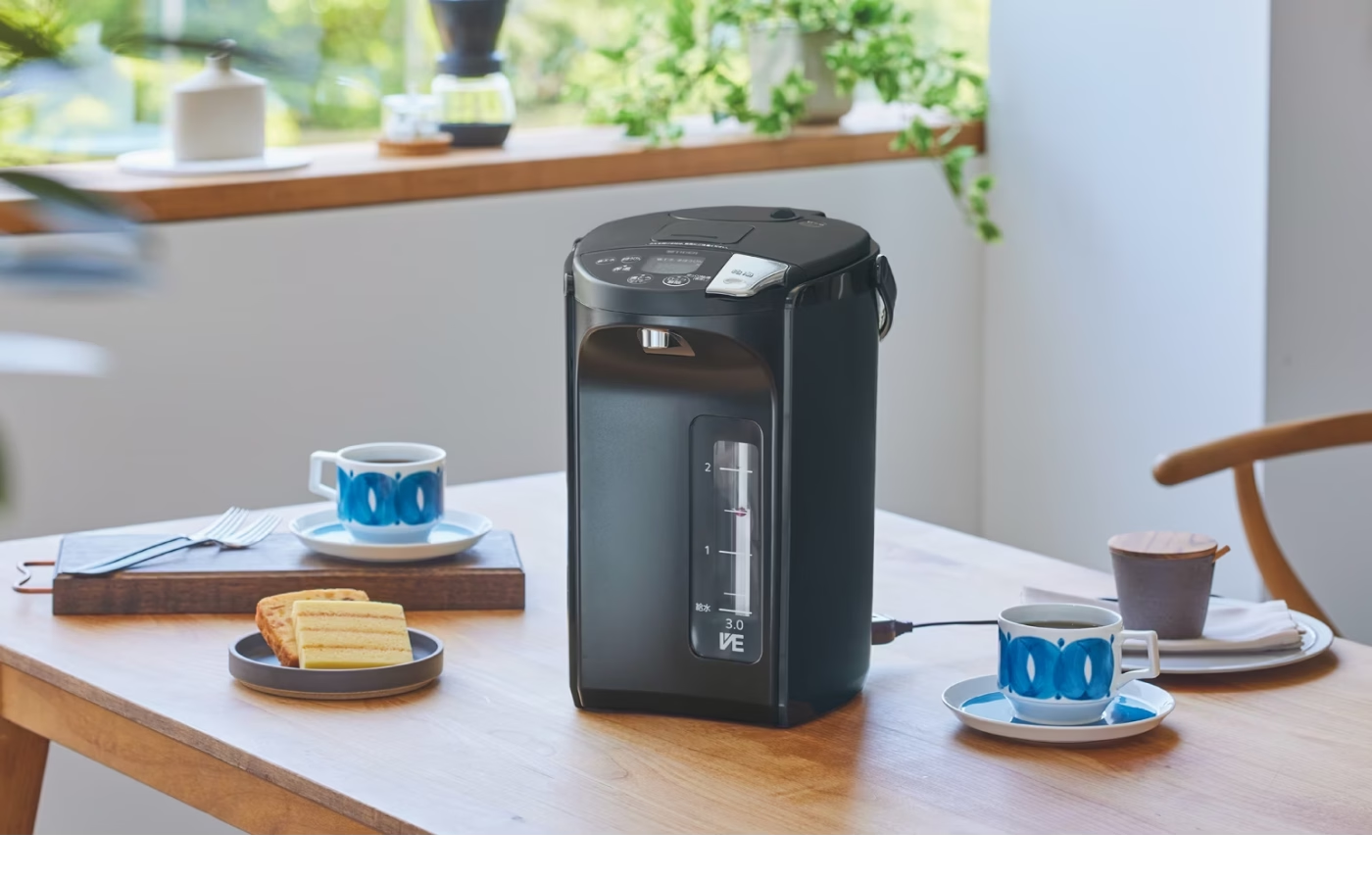
Benefits
Generous, High-Capacity Boiling
The greatest strength of an electric water boiler & warmer is its large capacity, typically ranging from 2.2L to 5L. This allows you to prepare enough hot water for the entire family’s drinks, as well as water for cooking, all in a single cycle—saving you from the chore of constant refills.
Instant Hot Water with Thermal Retention
By holding pre-boiled water at a precise, designated temperature, these appliances ensure that perfectly hot water is ready to pour the exact second you need it.
Precise Temperature Control
Most premium models allow you to select specific temperatures, such as 70°C, 80°C, or 90°C, to match your needs. Customizing the water temperature to match your beverage of choice beautifully unlocks the authentic flavors and rich aromas of delicate teas and coffees.
Effortless Dispensing
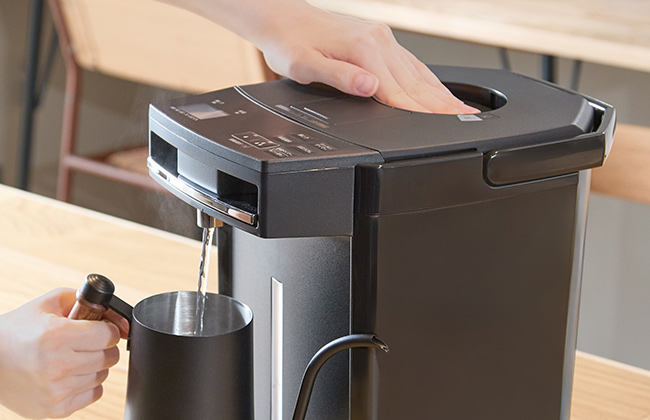
Because there is no need to lift a heavy container, dispensing hot water is as simple and smooth as pressing a button or pushing down on a manual pump. Modern models even feature specialized slow-drip modes and advanced spout geometries that prevent hot water from splashing, allowing you to dispense safely even with a delicate cup resting on the tray.
Drawbacks
Longer Wait Times to Boil
While an electric water boiler & warmer can heat a massive volume of water, a full reservoir naturally takes longer to reach a boil. Depending on when you need it, you may find yourself waiting for the cycle to finish, making it wise to plan ahead and fill the pot in advance.
Requires Regular Maintenance
Without periodic cleaning, natural mineral deposits (limescale) will slowly accumulate on the interior walls, which can make the boiling process noticeably louder over time. To keep the appliance operating quietly and efficiently, executing a periodic deep clean with citric acid is highly recommended.
Recommended Uses
An electric water boiler & warmer truly shines when you need a constant, large supply of hot water for family meals or entertaining guests, or when you require precise temperatures for various everyday tasks. By taking full advantage of the temperature-control and keep-warm functions, you can instantly secure the perfect water temperature for everything from preparing baby formula and cooking instant foods to blanching vegetables. When preparing infant formula, guidelines from the World Health Organization (WHO) and local health ministries mandate the use of water heated to “70°C or higher” to effectively sanitize any harmful pathogens. Having an electric water boiler & warmer maintaining this precise temperature around the clock makes nighttime and early-morning feedings completely stress-free and secure.
The Benefits and Drawbacks of Electric Kettles
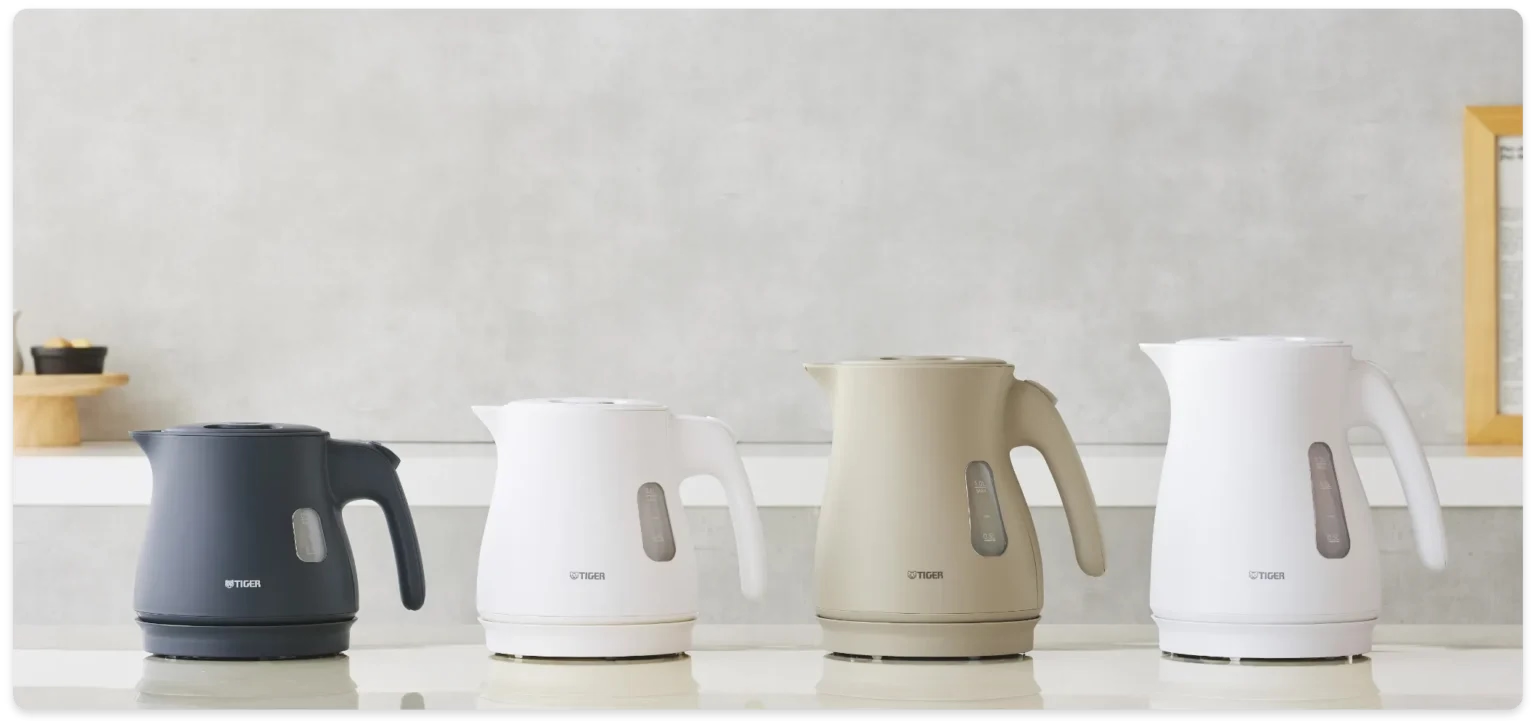
Next, let’s explore the distinct advantages and disadvantages of electric kettles, along with the scenarios where they perform best.
Benefits
Lightning-Fast Boiling Speeds
The absolute greatest strength of an electric kettle is its exceptional speed. Some high-performance models can boil a single cup of water (approx. 140ml) in under 60 seconds, giving you access to piping hot water almost instantly.
On-Demand Boiling for Energy Efficiency
Because you only boil the exact amount of water you plan to use, there is zero standby energy wasted on keeping water hot. Additionally, many models feature automatic shut-off switches that engage the moment the water reaches a boil, making it incredibly easy to minimize unnecessary power consumption.
Lightweight Design for Easy Portability
Engineered to be exceptionally light and compact, these kettles allow you to lift and pour comfortably with a single hand. They occupy minimal counter space, and once detached from their power base, they can be carried smoothly to any room where you wish to enjoy your drink.
Simple Architecture for Easy Maintenance
Thanks to their straightforward, minimalist design, electric kettles are incredibly easy to keep clean with a quick, casual wipe-down. Furthermore, because you boil and immediately use up the water, moisture rarely sits inside the chamber for long, making it a highly hygienic choice.
Drawbacks
Limited Boiling Capacity
With standard capacities ranging from 0.4L to 1.7L, electric kettles can fall short when a large volume of hot water is required all at once. If you are hosting a large gathering or preparing drinks for a big group, you will have to run multiple boiling cycles back-to-back.
Must Be Lifted for Every Pour
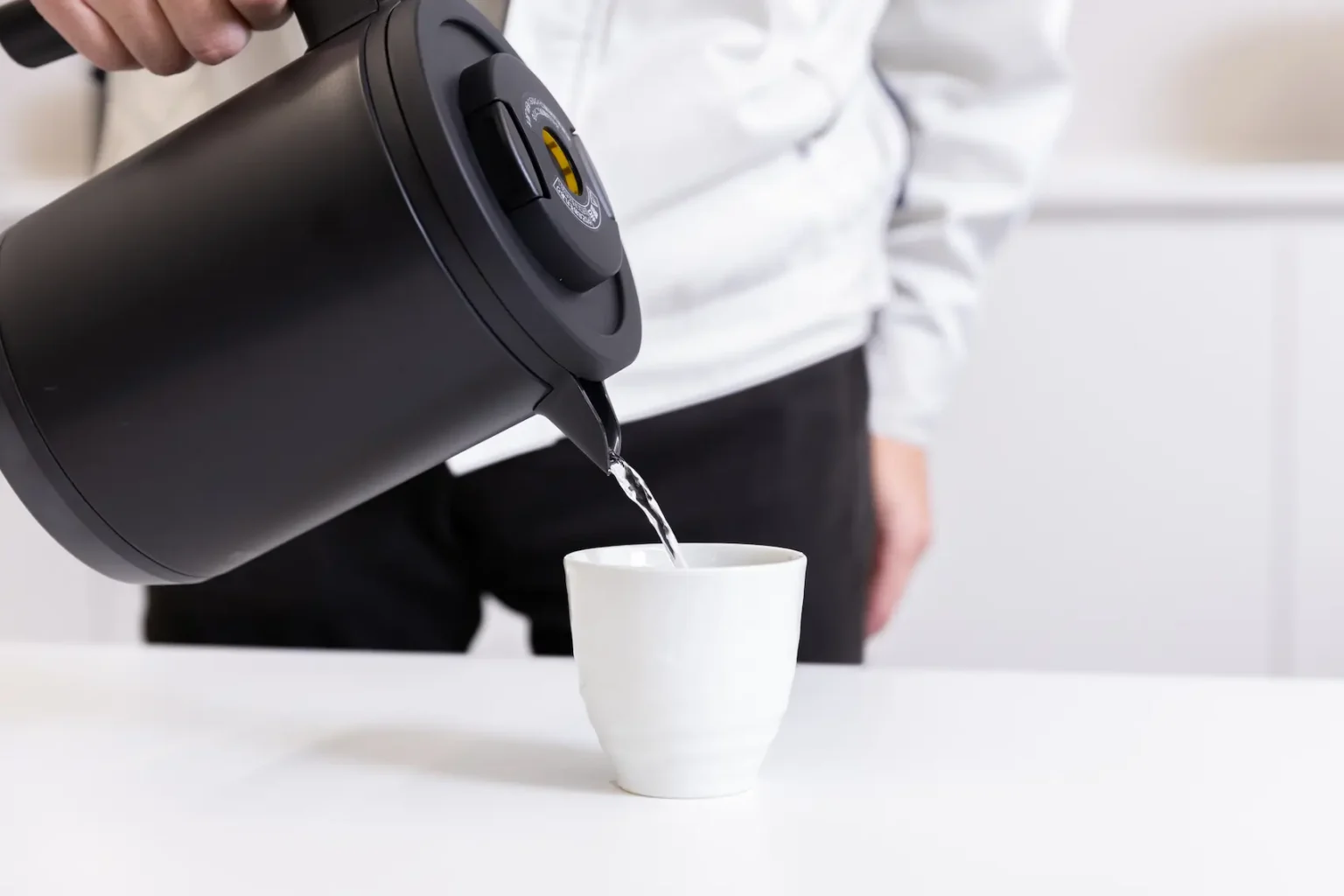
Unlike stationary water boilers, you must physically lift and tilt the entire kettle every time you pour. When filled to maximum capacity, the kettle can place some strain on your wrist, requiring a steady, careful hand to pour safely.
Potential Heat and Steam Hazards
During the boiling cycle, some models release a vigorous plume of hot steam from the spout, or their exterior surfaces can become extremely hot to the touch. In households with curious young children, extra care and proper placement are essential to prevent accidental burns.
Recommended Uses
An electric kettle is the ultimate tool for hectic mornings before work or school, when you need a small amount of hot water prepared in a flash. Leveraging its rapid-boiling and on-demand heating capabilities, you can whip up a fresh cup of coffee or prepare instant noodles with virtually zero wait time. It is also the ideal choice for individuals living alone, or for use in personal spaces like a home office or bedroom where hot water is only needed occasionally. Because the unit is lightweight and highly portable, it can be used in various locations throughout the house, requiring nothing more than a standard electrical outlet to deliver fresh hot water on demand.
How to Choose Between a Water Boiler & Warmer and an Electric Kettle
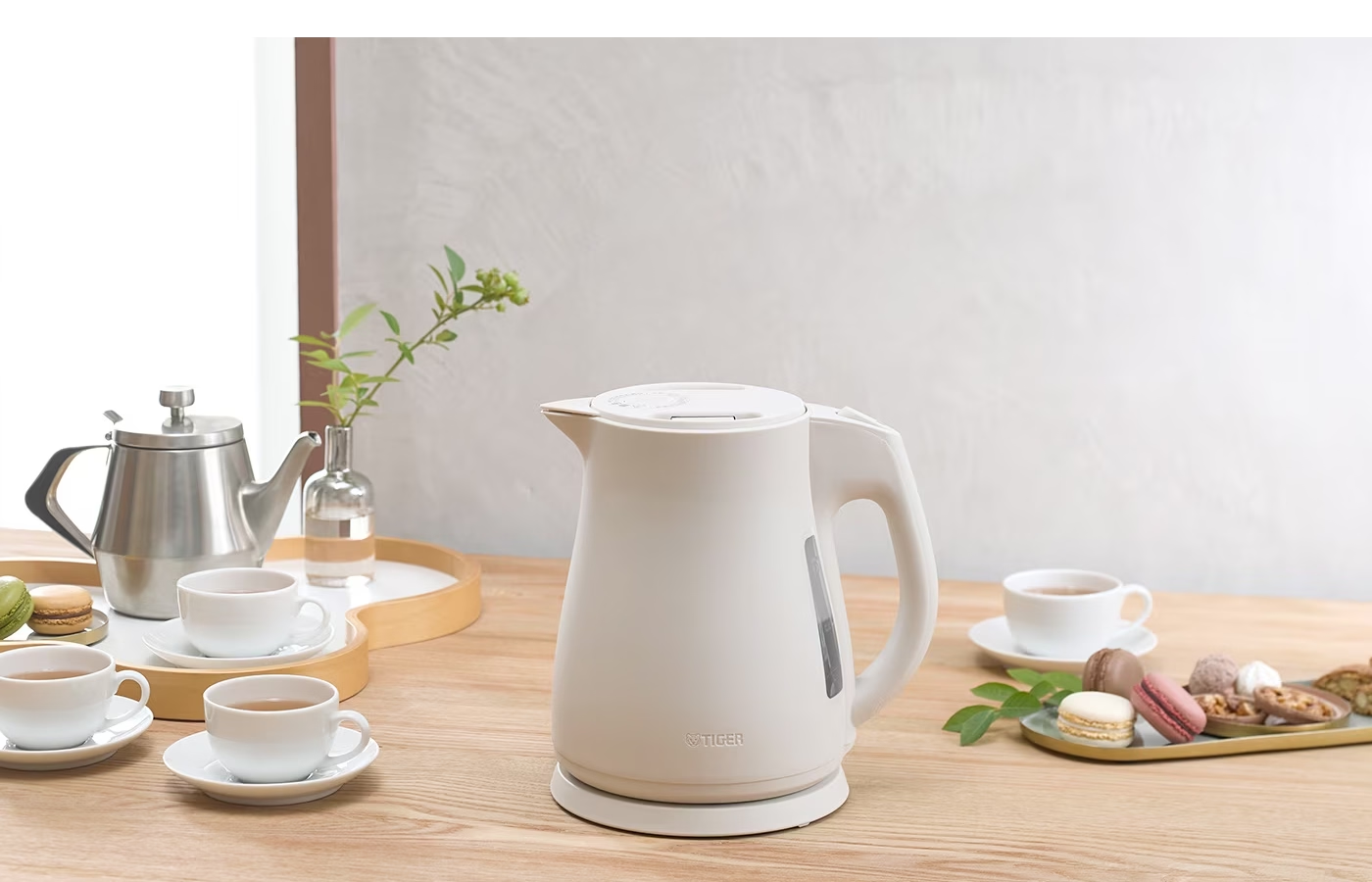
Both electric water boilers & warmers and electric kettles come in a rich variety of designs, with features and ease of use varying widely between models. To find your ideal match, look beyond the price tag and compare factors like capacity, materials, and specialized features to see which fits your daily routine best.
Capacity: Match Your Household Size and Needs
The “capacity” of your appliance is a major factor that dictates its day-to-day convenience. If the capacity is too small for your household’s demands, you will find yourself constantly reboiling water. As a general rule of thumb, a single cup of coffee requires about 140ml, while a bowl of instant noodles takes between 300ml and 500ml. For households of 1 to 2 people, a water boiler & warmer with a capacity of around 2.2L is highly practical, while larger families of 3 to 4 people will find peace of mind with a 3L to 4L model. On the other hand, if you prefer the on-demand style of an electric kettle, a 0.8L model is plenty for solo living, while a 1.0L to 1.2L kettle will easily serve a couple.
Materials: Choose Based on Your Priorities
Electric water boilers & warmers and kettles are manufactured using a variety of materials. Because each material offers distinct advantages and disadvantages, select the one that aligns with what you value most.
| Material | Benefits | Drawbacks |
|---|---|---|
| Resin / Plastic |
• Extremely lightweight and easy to handle daily. • Highly affordable with many budget-friendly options. |
• Lower overall durability. • Can occasionally impart a subtle plastic odor to the water initially. |
| Stainless Steel |
• Highly resistant to rust and impacts, offering exceptional durability. • Double-wall vacuum insulated models provide superior thermal retention. • Resists bacterial growth, making it highly hygienic. |
• High thermal conductivity can cause the outer surface to become hot to the touch. |
| Glass |
• Allows you to monitor the boiling process and water level at a glance. • Zero risk of odor transfer, preserving the water’s pure taste. |
• Fragile and susceptible to cracking from sudden temperature shifts or drops. • High thermal conductivity can cause the outer surface to become hot to the touch. |
Features: Look for Smart Temperature and Safety Functions
Modern electric water boilers & warmers and kettles come packed with intelligent features designed to make hot water preparation safer, faster, and more enjoyable. Keep an eye out for these high-value functions:
Precise Temperature Controls
If you wish to brew different beverages at their absolute best, look for a model with adjustable temperature settings. Generally, black tea and instant noodles require a full boil of 100°C, coffee tastes best brewed at 90°C to 95°C, and delicate green teas shine at 70°C to 80°C. Having granular temperature control allows you to effortlessly extract the finest flavors.
Quick Reboil Function
For those who want boiling hot water instantly, a one-touch reboil button is incredibly convenient. While reboiling on demand can help reduce keep-warm electricity costs, repeating it too frequently can actually increase energy consumption. The secret is to balance this feature with the standard keep-warm function based on how often you use hot water throughout the day.
Steam-Less Safety Designs
For households with curious toddlers or pets, a “steam-less” design provides ultimate peace of mind. By utilizing internal sensors or specialized cooling units to suppress and capture steam during the boiling cycle, these models drastically reduce the risk of accidental steam burns and protect surrounding kitchen cabinets from moisture damage.
Auto Shut-Off / Dry-Boil Protection
To prevent hazards caused by accidentally switching on an empty appliance, robust “dry-boil protection” is an essential safety feature. It automatically cuts the power if no water is detected inside, preventing damage to the heating element and eliminating potential fire hazards.
Use Them Wisely: Choosing the Right Appliance for Every Occasion
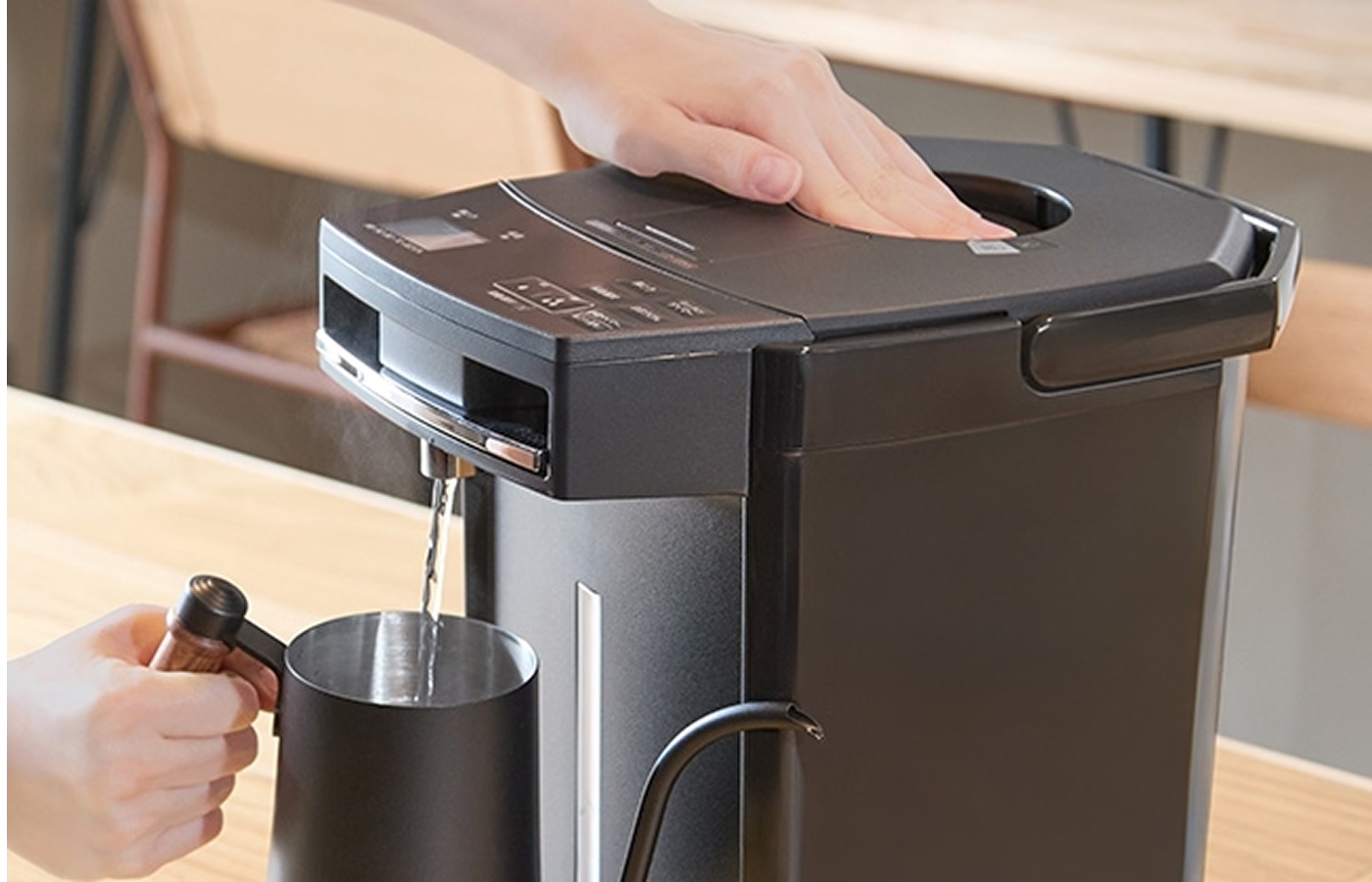
Electric water boilers & warmers and electric kettles each have clear distinctions in capacity, lifestyle application, and electricity consumption. Use the benefits and drawbacks outlined in this guide to find the perfect match that will bring warmth and convenience to your daily routine.