
[For Outdoors] 6 Recommended Water Bottles!
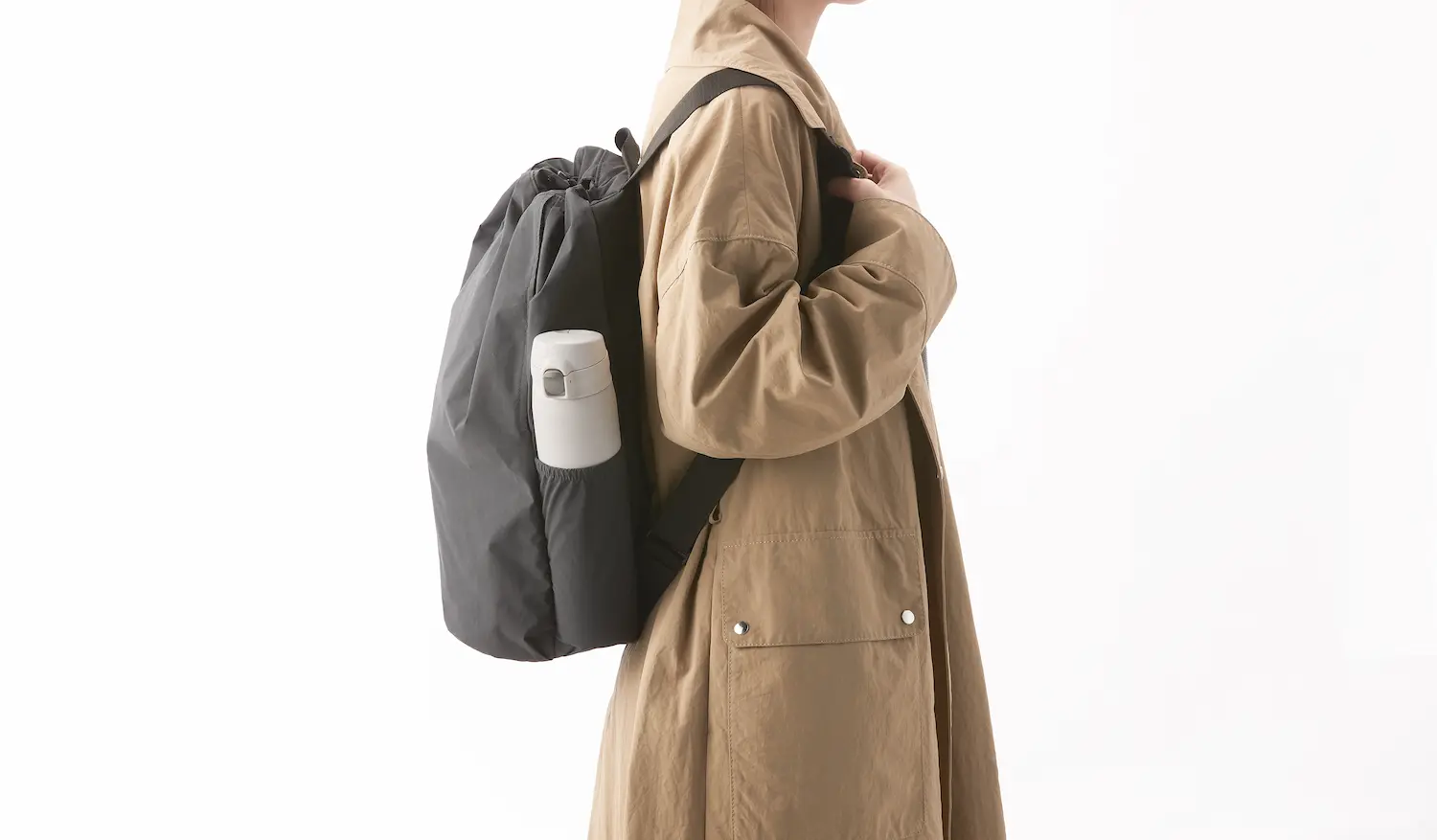
In outdoor activities, choosing the right water bottle is a crucial factor that can affect your performance and safety. In this article, we will introduce recommended water bottles for outdoor use, along with tips on how to choose one and stay hydrated.
Table of Contents
Benefits of Carrying a Water Bottle Outdoors
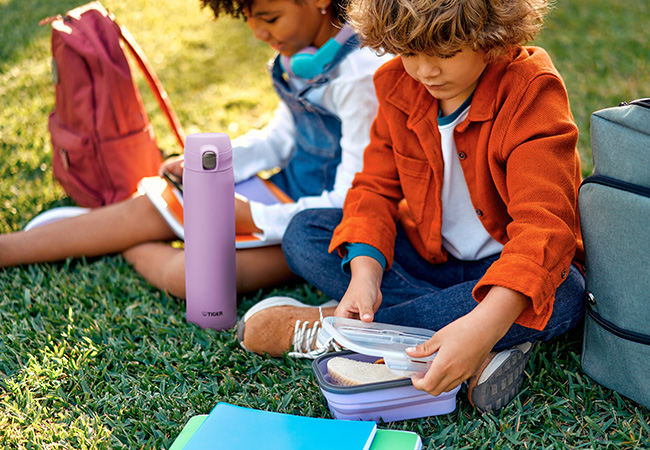
You might wonder, “Can’t I just buy a plastic bottle?” However, carrying a reusable water bottle outdoors offers significant advantages.
The biggest appeal is its ability to maintain the “perfect drinking temperature” of your beverage, regardless of the outside weather. In environments where a plastic bottle would quickly become lukewarm, a water bottle with excellent cold and heat retention allows you to quench your thirst with cold water or warm tea at any time. Reusable water bottles also help reduce waste and protect our beautiful natural surroundings.
Foolproof Ways to Choose an Outdoor Water Bottle
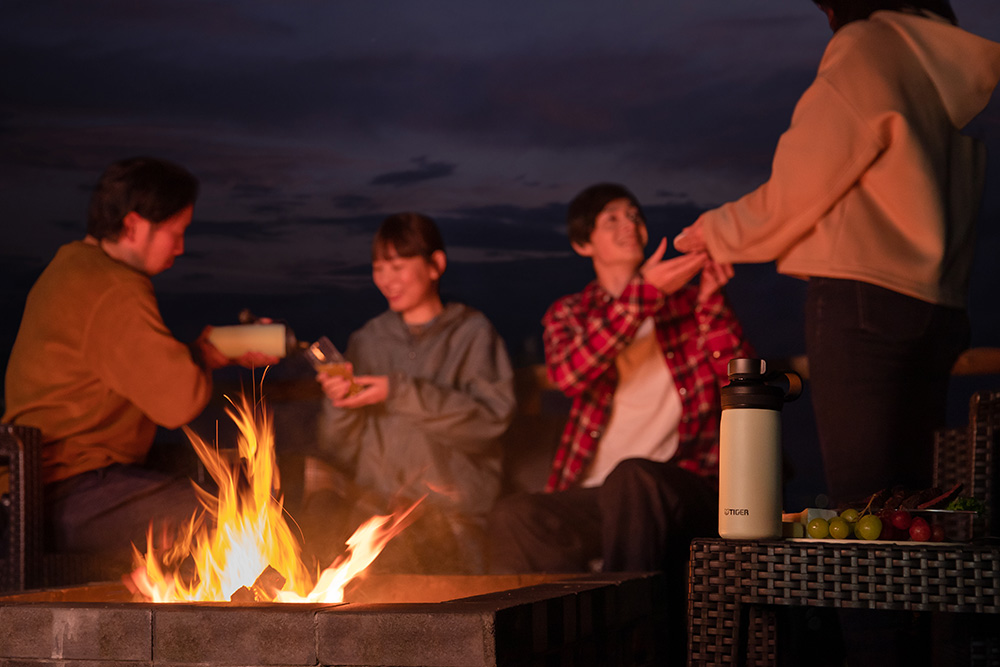
Because outdoor activities take place in environments with dramatic temperature changes, it’s vital to choose a water bottle not only for its temperature retention but also for its “ease of use” and “portability” to ensure smooth hydration. Here, we explain how to choose a stress-free outdoor water bottle.
[Capacity] Choose Based on the Balance Between Required Volume and Portability
When selecting a water bottle’s capacity, it is important to balance the amount of water you need during your activity with how easy it is to carry. Prioritizing lightness and running out of water can risk dehydration, while a single overly large bottle can become a heavy burden to carry.
Generally, a guideline for the amount of water needed when hiking or trekking in the mountains can be calculated as “(Body weight + Weight of gear) × Hours of activity × 5ml”. For example, a person weighing 65kg with 5kg of gear active for 6 hours would need 2,100ml (2.1L).
However, the required amount also varies depending on the weather and exercise intensity. If one large-capacity bottle feels too heavy and unwieldy, an alternative is to prepare multiple compact bottles of about 500ml each to distribute the weight.
| Under 350ml | Highly portable due to its small capacity. Recommended for short walks. Fits into small bags, making it easy to stay hydrated during outdoor breaks. |
| 350ml – under 1.0L | Offers a good balance of adequate capacity and high portability. Also suitable when carrying multiple water bottles outdoors. |
| 1.0L and over | Recommended for outdoor activities involving strenuous exercise or long hours of outdoor work. Ideal for those who want to keep all their beverages in a single bottle. |
[Opening Mechanism] Choose a Style That is Easy for You to Handle
The structure of the lid dictates how easy it is to drink from, so choose one that matches your activity style.
A one-push type opens and closes with a single button, offering the advantage of easy drinking even with one hand or while wearing gloves. A screw-top type requires twisting the lid to open; while it takes slightly more effort to open and close than the one-push type, it boasts high sealing performance and is less likely to leak. Its simple structure also makes it easy to wash and keep clean.
[Mouthpiece] Choose the Type That Suits Your Needs
The design of the mouthpiece directly affects how easy it is to drink, so choose according to the activity and when you plan to hydrate. The mainstream “direct-drinking type” and “cup type” each have their own benefits.
Direct-Drinking Type
The direct-drinking type, which allows you to drink directly from the bottle just like a plastic bottle, has the great appeal of letting you quickly quench your thirst with one hand. It enables smooth hydration even during active scenarios like mountain climbing and trekking, where there is little time to stop.
Cup Type
he type where the removed lid serves as a cup allows you to pour the contents out, cooling hot drinks or soups to an appropriate temperature before drinking. It is suitable for relaxing scenarios where you enjoy a meal, such as camping or BBQs.
[Functionality & Design] Choose Based on Your Intended Use
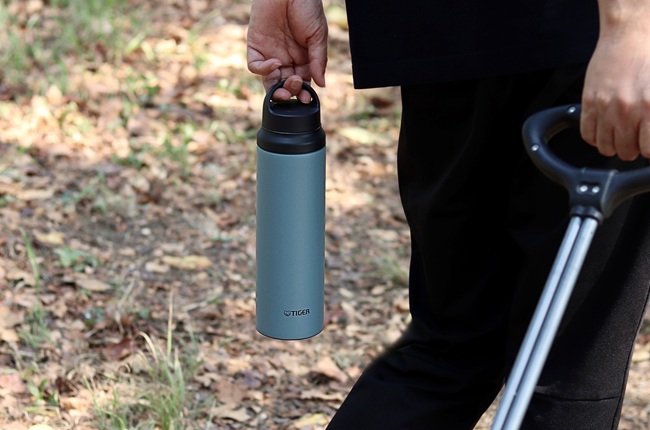
Even water bottles that look identical at first glance differ slightly in functionality and design from item to item. Checking whether a bottle suits the type of beverage you want to put in and how you plan to use it will help you find the optimal choice.
Ideal for Heatstroke Prevention: Sports Drink Compatible
For heatstroke prevention outdoors, a water bottle compatible with sports drinks, which allow you to replenish salt and minerals, is recommended. The salt and acid contained in sports drinks can cause rust and corrosion inside standard water bottles, but choosing a type clearly labeled as “compatible” allows you to hydrate safely while minimizing corrosion. If you are planning summer mountain climbing or long hours of activity, this is definitely a feature to look for.
Usable in All Seasons: Heat and Cold Retention
When spending long hours outdoors, a heat and cold retention function that keeps your beverage at the “perfect drinking temperature” regardless of the season is essential. Even in environments with extreme temperature differences, a water bottle with excellent thermal insulation performance lets you enjoy cold drinks in the summer and hot drinks in the winter for extended periods.
As a key factor determining performance, check whether the main body features a double-wall “vacuum insulation structure”. The vacuum layer between the inner and outer bottles blocks heat transfer, making it resistant to outside temperatures and preventing the heat of your beverage from escaping.
Easy Maintenance: Dishwasher Safe
If you plan to use your water bottle daily, ease of cleaning is another important point. For those looking to reduce household chores, check whether the main body and parts are “dishwasher safe”.
With standard water bottles, the heat and high-pressure water flow of a dishwasher can cause the coating to peel or the gaskets to deform, compromising the seal. Dishwasher-safe models can be disassembled and washed entirely, making it easy to maintain hygiene. For those who frequently head outdoors, a highly maintainable bottle is especially recommended.
6 Recommended Water Bottles for the Outdoors!
Here, we will introduce a selection of recommended water bottles for outdoor use.
Vacuum Insulated Bottle MCZ-G040/G060/G080
This is a practical water bottle with a handle that you can easily take out for outdoor activities or other outings. Utilizing Tiger’s proprietary spinning process, the inner cylinder is made extremely thin to achieve a lightweight design. Even the large-capacity 800ml model weighs only about 330g, so it won’t be a burden when placed in a bag.
In terms of performance, the stainless-steel double-wall vacuum structure provides high heat and cold retention capabilities. It can keep your drink at the perfect temperature for about 6 hours, providing peace of mind even during long activities. Furthermore, the inside of the bottle is finished with a “Super Clean Plus” coating that resists stains and rust, making it safe to use for sports drinks*.
*As there is a risk of the stainless steel corroding, please clean immediately after use.
Vacuum Insulated Bottle MTA-H100/H120/H150
An ideal large-capacity model exclusively for cold retention, perfect for intense sports and serious outdoor activities. Its superior vacuum insulation structure maintains high cooling power. The adoption of a one-push lid is also a major draw, allowing for quick hydration without stopping your movement.
The wide mouth design of approximately 4.8cm allows large ice cubes to easily fit inside, and the bottom of the bottle is equipped with a “bottom boot” to prevent impacts and scratches. It is a robust bottle that can be used reliably even under tough conditions.
Vacuum Insulated Bottle MTR-W075/W088
This is a bottle thoroughly focused on ease of maintenance. Not only the bottle body but all parts, including the lid and mouthpiece, are dishwasher safe, making cleanup a breeze after use. Because it features an “Easy Cap” where the stopper and gasket are integrated, there’s no need to worry about forgetting to attach the gasket or losing it after washing.
Functionally, it uses a convenient one-push button that can be operated with one hand. The mouthpiece is designed to fit the lips, making it difficult to spill even when drinking while walking. With a size that perfectly balances adequate capacity and portability, it excels in a wide range of outdoor scenarios from daily walks to camping.
Vacuum Insulated Carbonated Bottle MTA-T050/T080/T120/T150
This is a carbonated-beverage-compatible model that allows you to easily enjoy carbonated drinks outdoors, such as during camping and BBQs. Its biggest feature is the proprietary carbonation-compatible stopper, “BubbleLogic”. Equipped with a “gas release mechanism” that lets gas escape when the cap is opened and a “safety valve” that activates if pressure rises abnormally, it reliably prevents the contents from spraying or the cap from flying off.
In addition, the interior features a smooth “Super Clean Plus” finish, which helps reduce the loss of carbonation. Designed exclusively for cold retention to keep your drink cold for hours, it lets you enjoy your favorite carbonated beverages in their best condition even outside.
Vacuum Insulated Bottle MTS-W075/W088
This is a “slightly larger” straw bottle that allows you to drink smartly. Its open-support design, which is easy to open even with one hand, makes hydration effortless. Since a single bottle holds an ample amount, it frees you from the hassle of constantly refilling or carrying two water bottles. It also shines in the office, during sports, yoga, and at the gym. This is a slightly larger straw bottle that you won’t want to part with all year round.
Hydration Tips for Enjoying the Outdoors Safely
To enjoy the outdoors safely, the “quality of hydration” is just as important as how you choose your water bottle. Simply drinking when you feel thirsty can actually place a burden on your body or result in poor absorption. Here, we explain specific tips to maintain performance and stay safe during activities.
The Rule of Thumb: Drink Small Amounts Frequently
The basic rule of hydration is to drink in small, frequent amounts. When you are focused on an activity, you may neglect to hydrate, but it is said that mild dehydration has already begun by the time you feel thirsty. Drinking a large amount of water at once makes it harder for the body to absorb; instead, it is excreted as urine or places a strain on the gastrointestinal tract, which can actually cause you to tire out.
As a general guideline, aim to consume one cup (about 150-200ml) every 20 to 30 minutes, and make it a habit to “drink before you get thirsty.”
Hydrate Before Heading Outdoors as Well
Hydration is important not just during your activity, but before you start as well. By consciously practicing “pre-hydration”—moisturizing your body in advance of exercise—you can minimize the risk of dehydration due to sweating.
Prior hydration not only reduces the risk of heatstroke but directly contributes to stamina maintenance and performance improvement. As a guideline, slowly drink about 250 to 500ml of water 30 minutes to 1 hour before departure.
Take Salt Along With Water
When hydrating, it is recommended to consume salt along with water. When you sweat heavily, you lose electrolytes such as sodium along with fluids. If you continue to drink only water in this state, the salt concentration in your blood will drop, which can actually worsen dehydration symptoms.
To safely continue your activities, make sure to use sports drinks or take salt tablets with your water. Additionally, the citric acid found in foods like pickled plums (umeboshi) helps recover from the fatigue associated with activity, making it a reliable ally in the outdoors.
Pay Attention to the Beverage Temperature
When hydrating, also pay attention to the temperature of your drink. Extremely cold drinks with ice can suddenly chill your internal organs, lower digestive functions, and drain your stamina.
The optimal temperature, which is easily absorbed by the body and can effectively lower body temperature, is said to be between 5 and 15 degrees Celsius. This temperature allows you to efficiently cool down while minimizing the burden on your gastrointestinal tract, helping you maintain performance. On the other hand, during winter camping and mountain climbing, it is also important to use the heat retention capabilities of a vacuum insulated bottle to warm the body from the inside out with a hot drink to prevent hypothermia.
Stay Hydrated with the Perfect Outdoor Water Bottle
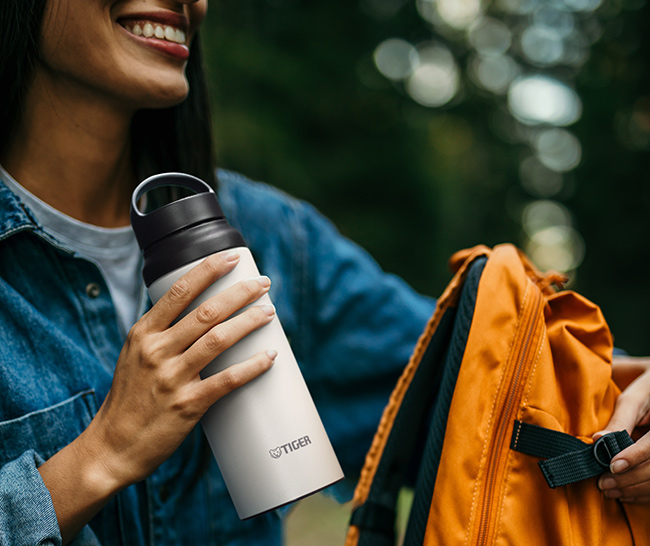
In the outdoors, temperatures and activity levels change momentarily, so having a water bottle with specs perfectly suited for the environment dictates your safety and comfort. Using the functionality and proper hydration methods introduced in this article as a reference, try choosing a water bottle that matches your activity style.