Can You Put Coffee in a Water Bottle? Tips for Flavor Protection, Stain Prevention, and Proper Care
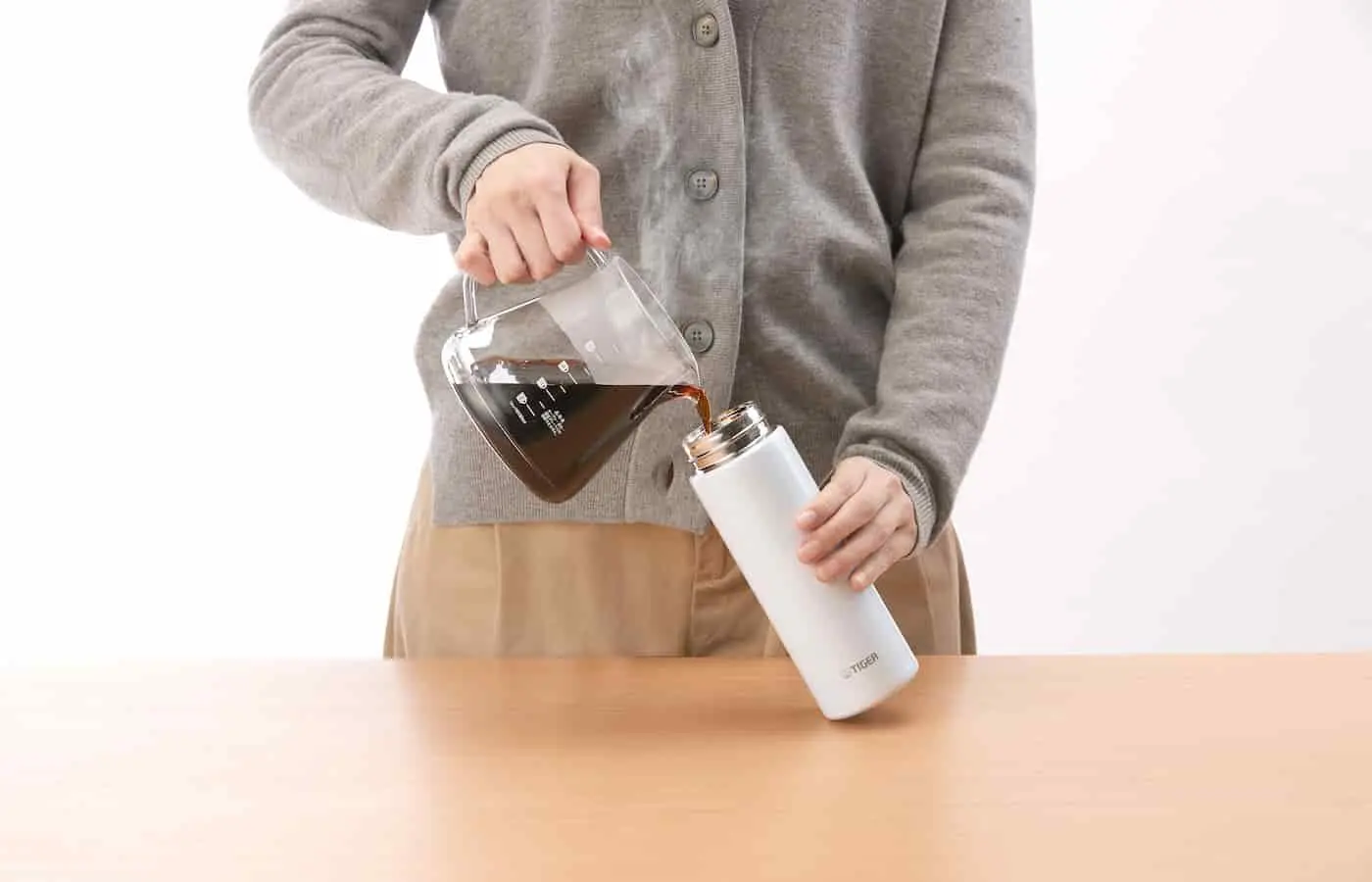
Whether taking a study break or pausing during work, enjoying a cup of coffee is a great way to refresh. Naturally, many people want to carry their favorite brew in a water bottle so they can enjoy it anytime, anywhere. In this article, we answer whether it is safe to put coffee in a water bottle, alongside key precautions and practical tips for enjoying great coffee on the go.
Table of Contents
Is It Safe to Put Coffee in a Water Bottle?
Coffee is a fantastic pick-me-up during work or study sessions, and many people want an easy way to take it on the go. First, let’s look at whether putting coffee in a water bottle is safe and practical.
Black Coffee Can Be Safely Carried in a Water Bottle
While water bottles are traditionally associated with water or tea, you can certainly carry coffee in them too. However, depending on the internal surface treatment of the bottle, susceptibility to stains and lingering odors varies greatly. We will cover key selection criteria in the next section.
Avoid Adding Milk or Dairy Products
Black coffee (either plain or sweetened with sugar) is generally safe to carry in a water bottle. However, you should strictly avoid adding dairy products like milk or coffee creamer. Dairy can cause the interior of the bottle to corrode or spoil. Furthermore, if left sitting for extended periods, spoilage and bacterial growth can generate gas.
When gas pressure builds up inside a sealed bottle, it creates dangerous conditions: the stopper or lid may become jammed shut, contents can violently erupt upon opening, or internal bottle components may crack and break.
How to Choose the Best Water Bottle for Carrying Coffee
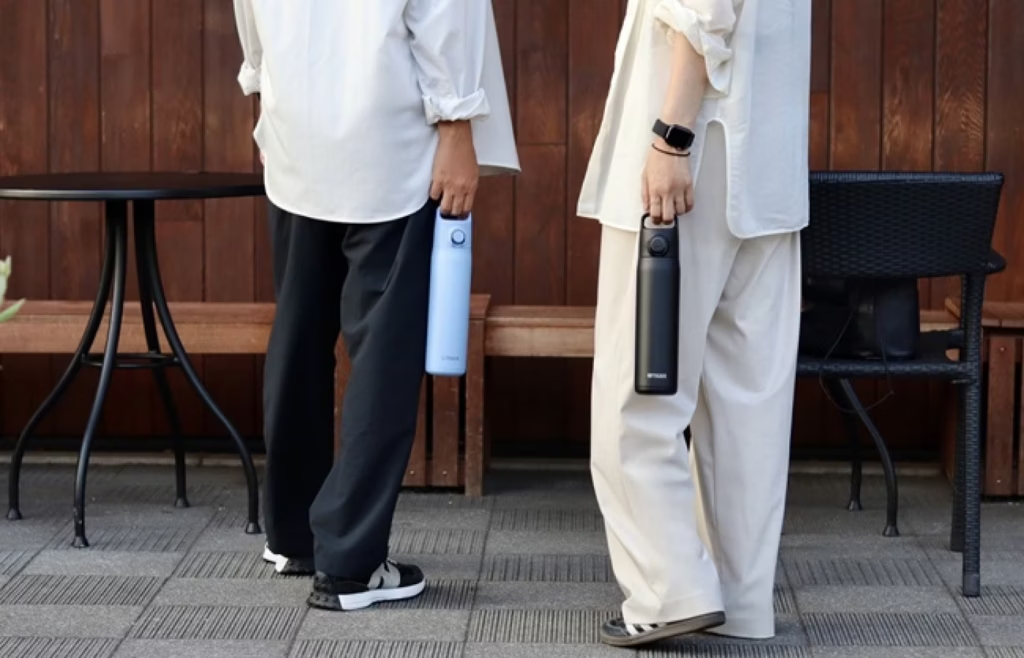
As long as you are careful about what you mix into your coffee, carrying it in a water bottle is perfectly safe. However, understanding the structural features of different bottle types helps you choose one tailored for coffee, making your portable coffee breaks far more enjoyable. Here is how to select the best water bottle for carrying coffee.
Internal Surface Technology and Safety
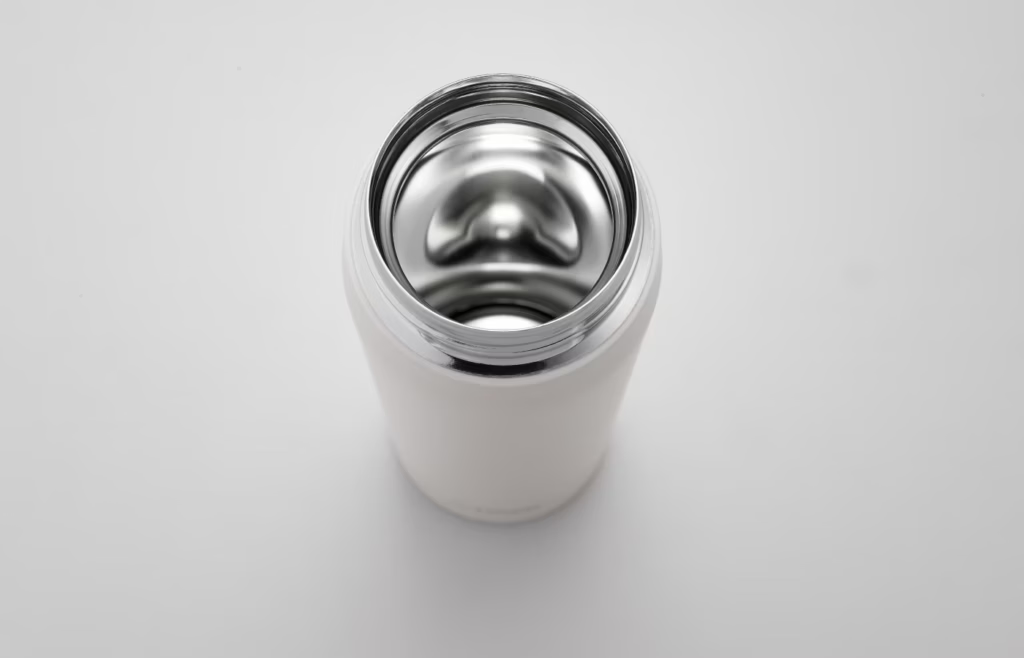
When choosing a water bottle for coffee, always inspect the internal surface processing technology. Standard unprocessed stainless steel bottles feature microscopic surface pores that easily trap coffee’s potent aromas and oils, leading to stubborn stains and lingering odors.
Tiger’s vacuum insulated bottles stand out for their commitment to health and environmental safety with a “NO Fluorine Coating” pledge. Instead of using coating agents like fluorine resin, Tiger utilizes proprietary “Super Clean Plus” surface technology. Thanks to a specialized electrochemical polishing process, the internal metal surface is smoothed down to a microscopic level, making it highly resistant to stains, lingering odors, and rust.
Furthermore, unlike fluorine-coated bottles, there is zero risk of synthetic coating film peeling off from wear or scratches and accidentally being ingested. This allows you to safely fill your bottle with coffee as well as acidic sports drinks, keeping your bottle hygienic over long-term use.
Thermal Insulation (Heat and Cold Retention)
If you want to carry piping hot coffee or refreshing ice coffee, verify the bottle’s thermal retention capabilities. A bottle with reliable insulation keeps your beverage at your ideal drinking temperature for hours. For example, Tiger bottles feature an internal double-wall stainless steel vacuum insulated structure that blocks heat transfer, keeping your coffee hot or ice-cold for an extended period.
Drinking Spout and Lid Designs
When picking a bottle, pay close attention to the mouthpiece and lid design. Choosing a style that fits how you drink makes a big difference in daily usability.
Common bottle mouthpieces fall into three primary categories:
- Screw-Top Lids: These open by twisting the top off. Because the opening is wider than other styles, it allows the rich aroma of coffee to rise freely—making it ideal for coffee enthusiasts who want to savor every aromatic note.
- One-Touch Lids: These flip open instantly with the press of a single button. Operable with one hand, this style is perfect for sipping coffee while multitasking during work or study sessions.
- Cup-Style Lids: These incorporate a drinking cup directly into the lid design. If you want to enjoy a café au lait, you can carry black coffee in the main flask and mix in cream or sugar inside the cup separately, keeping the main bottle interior completely safe from dairy corrosion.
Capacity
Choose a bottle capacity that suits your personal drinking habits. However, keep in mind that larger bottles are heavier and expose leftover coffee to more trapped air, which can cause coffee flavor to degrade over time. We recommend matching the capacity to your specific daily routine and average coffee intake.
Tips for Enjoying Delicious Coffee from a Water Bottle
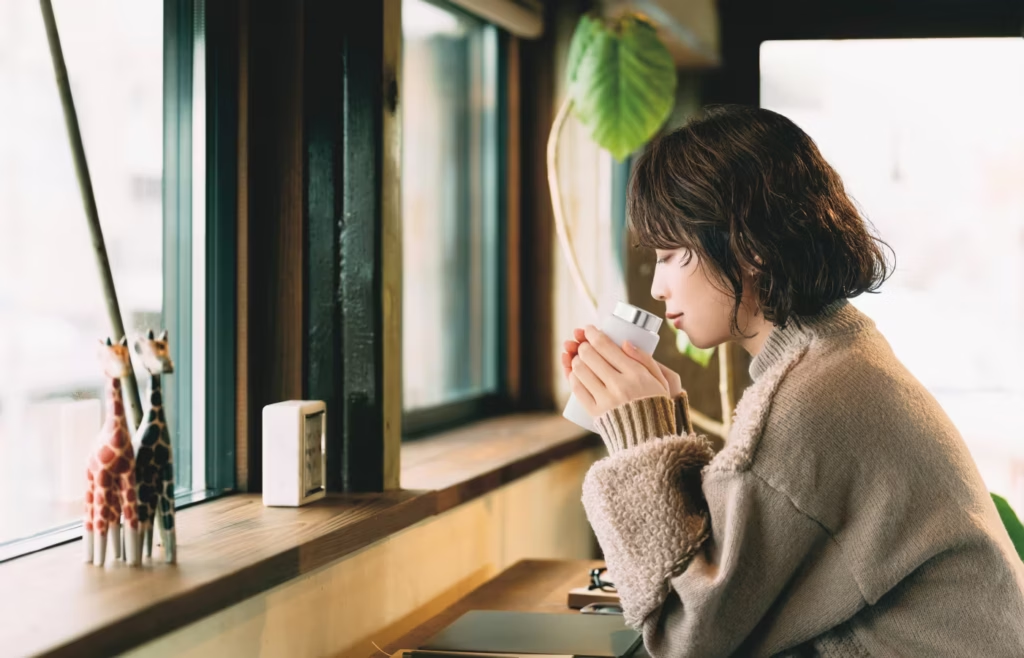
Coffee is a delicate beverage whose aroma and taste are easily affected by water temperature and exposure to air. Therefore, enjoying delicious coffee on the go requires not only picking the right bottle, but also paying attention to how you prep and transport the brew. Here are key tips for preserving fresh-brewed flavor in your water bottle.
Let Hot Coffee Cool Slightly Before Pouring
For hot coffee, let the brew cool down slightly before pouring it into your bottle. Pouring boiling-hot coffee directly into a vacuum flask traps extreme heat inside. When coffee remains at excessively high temperatures, it over-steams (boils down), resulting in pronounced bitterness, astringency, and degraded flavor.
Additionally, coffee undergoes rapid oxidation when subjected to sharp temperature fluctuations. Transferring brewed coffee into a server or carafe to cool slightly before filling your bottle slows down oxidation, preserving its smooth taste.
Pre-Heat Your Bottle for Hot Coffee
If you want to enjoy hot coffee at its best, pre-heat the inside of your water bottle before filling it. Pre-heating boosts the overall thermal retention of the flask. Pouring hot coffee directly into a cold bottle causes an immediate drop in liquid temperature, preventing the insulation from working at its peak. This sudden thermal shift can cause the rich aromas and nuanced flavors to dissipate, leaving behind harsh, off-tasting notes.
Pre-heating ensures a gentle, gradual temperature transition when hot coffee is poured in, preserving fresh-brewed flavor longer. Pre-heating is effortless: simply fill the bottle with hot water for a few minutes before brewing—a quick habit that easily fits into busy mornings.
Conversely, when carrying iced coffee, pre-chill the interior with ice water before filling. This prevents ice cubes from melting prematurely and preserves the crisp, refreshing bite of iced coffee.
How to Use and Wash Your Bottle to Prevent Coffee Odors and Stains
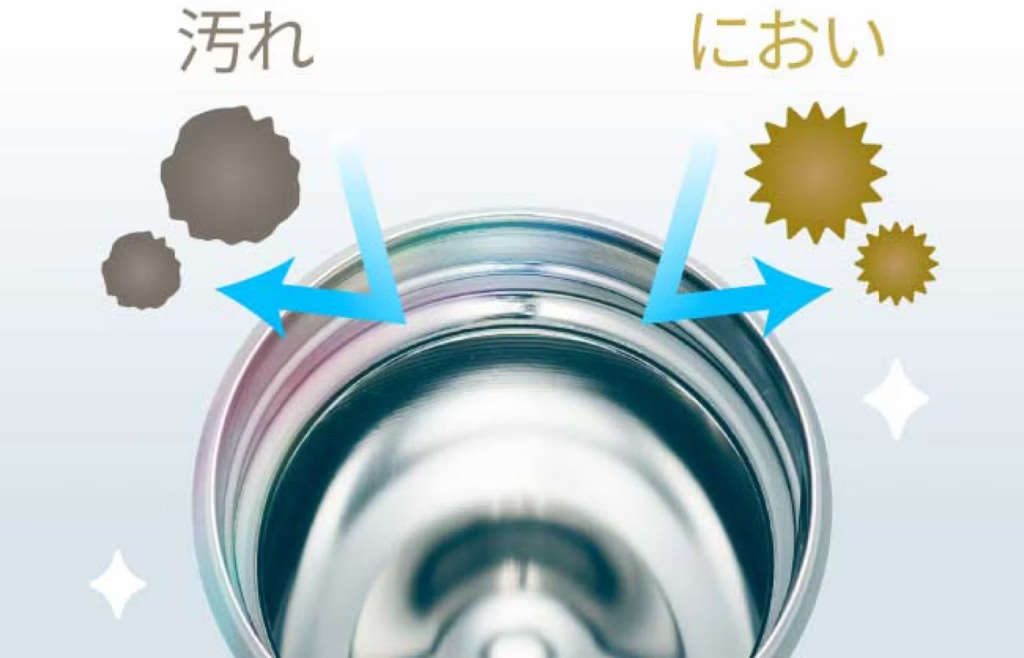
By choosing the right bottle and following smart filling habits, you can easily enjoy your favorite coffee anywhere. However, improper daily usage or washing habits can still lead to unpleasant odors and stubborn coffee buildup. Here is how to handle and clean your bottle to prevent coffee stains and lingering odors.
Never Leave Leftover Coffee Sitting Inside
To prevent coffee odors and stains from setting in, avoid leaving leftover coffee in your bottle for long periods. Coffee naturally contains oils that adhere to bottle walls and form stubborn residue over time.
Leaving leftovers sitting for hours allows odors and stains to penetrate deep into silicone seals. Make it a rule to clean your bottle as soon as possible after use. If you cannot wash it immediately while away from home, empty any leftover coffee and rinse the interior thoroughly with water to stop odors from setting in.
Remove Stubborn Odors with Specialized Cleaners
If you notice lingering coffee odors or sticky oil buildup, cleaning with a specialized cleaner is the most effective solution. Using an official cleaning agent designed by your bottle’s manufacturer removes stains and smells safely without damaging internal materials.
For instance, Tiger offers an official cleaning powder: Cleaning Powder for Vacuum Insulated Bottles (TAA-B100). To use, empty the bottle, add one packet of cleaner, and slowly pour in warm water (approx. 40°C / 104°F). Use 1 packet for up to 800 mL of water.
Let it sit for about 2 hours, then empty and rinse thoroughly. For stubborn stains, let the solution sit a little longer. It also provides sanitizing benefits, keeping your bottle pristine for long-term use.
Use Oxygen-Based Bleach on the Interior Only (Never Use Chlorine Bleach)
While dedicated bottle cleaners are best, oxygen-based bleach (sodium percarbonate) is a great alternative if dedicated cleaners are unavailable. However, apply oxygen bleach strictly to the interior of the bottle; using it on the exterior can peel or discolor the outer painted finish.
Because compatibility varies by bottle material and construction, always consult your instruction manual before using oxygen bleach. Furthermore, never use chlorine-based bleach, as it causes severe pitting, surface rust, and holes in stainless steel.
Enjoy Coffee Time Effortlessly with the Right Bottle for Any Occasion
When carrying coffee in a water bottle, black coffee (plain or sweetened with sugar) can be safely enjoyed on the go. To preserve coffee’s rich aroma and fresh flavor for hours, select a stainless steel bottle featuring advanced surface processing and practice proper filling and cleaning habits. Use the selection guide and maintenance tips in this article to enjoy effortless, delicious coffee breaks wherever your day takes you!