

Until “Takitate♪” Reaches the Dining Table: Happy Gatherings Starting with a Melody
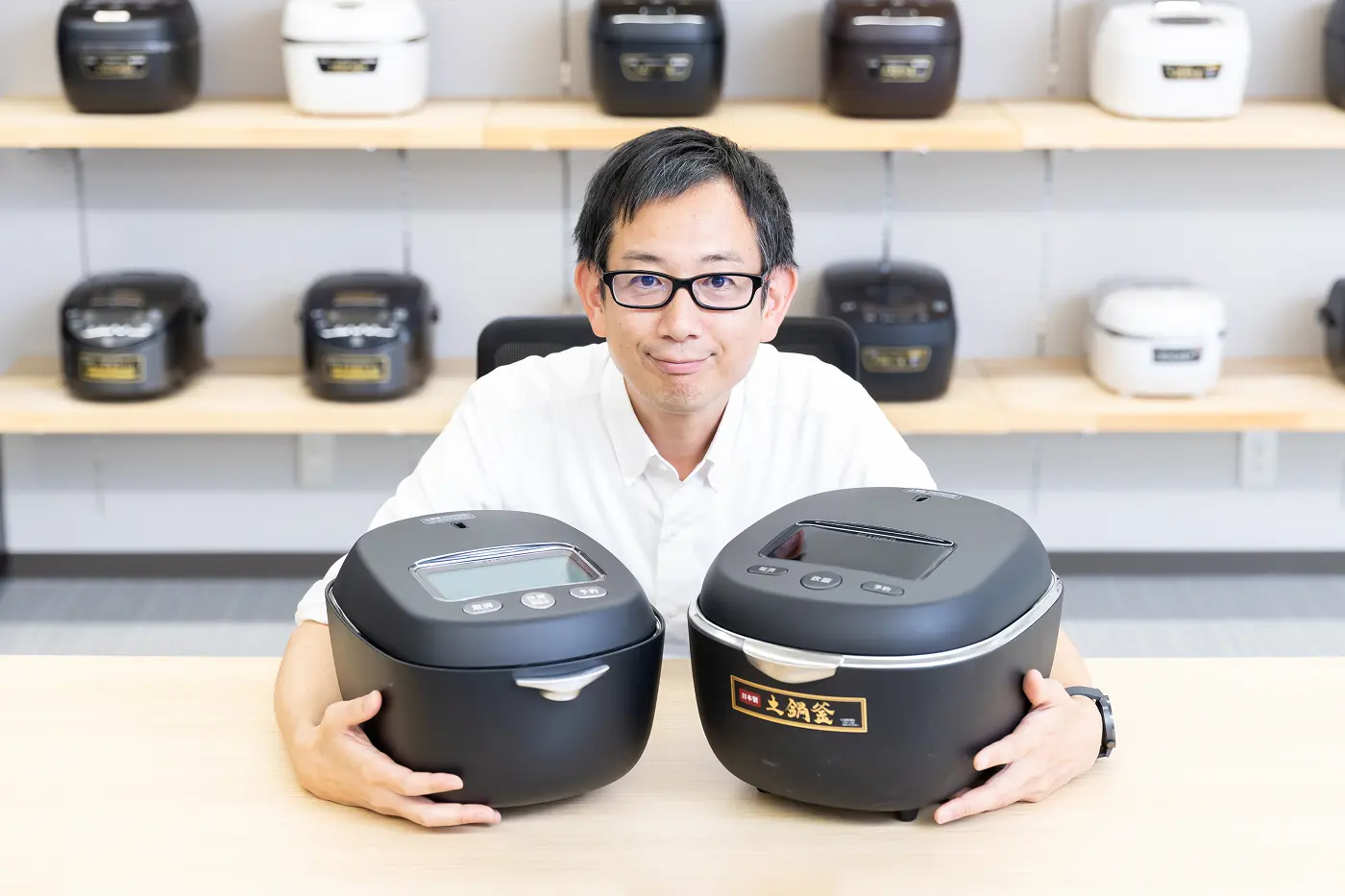
“Tiger, Suihan-jar, Ta-ki-ta-te♪” Just reading the words might bring that familiar melody to mind for many of you. On select Tiger rice cookers, the sound logo long beloved from TV commercials plays as the signal that the rice is freshly cooked.
Behind this melody lies careful craftsmanship to preserve the memory of the original song, technology to make it resonate beautifully from a rice cooker, and the developer’s desire to make mealtimes even a little more comfortable.
This time, we spoke with Mr. Iizuka from the Microcomputer Team in charge of acoustic control to learn about the passion poured into the “sound” of rice cookers.
Table of Contents
A “Takitate” Melody Beloved for Over Half a Century
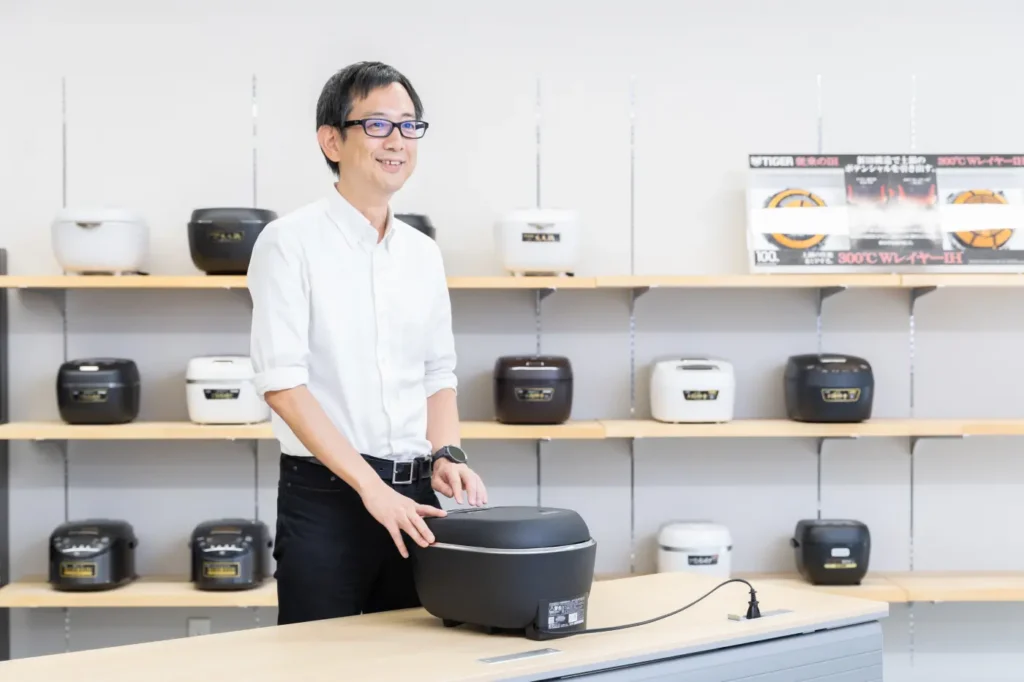
That famous melody everyone knows has been used in TV commercials and other media since 1972, following the release of the “Takitate” electric jar in 1971. It was originally created by a composer specifically for Tiger.
It was first built into a rice cooker in 2016, with the premium clay pot pressure IH rice cooker “THE Takitate” JPX model. That year marked the 10th anniversary of Tiger’s clay pot rice cooker development, and a desire to deliver “warmth” to customers was growing within the company. At that time, the company was also deeply exploring the role of “sound” across various products—including electric kettles, not just rice cookers—under the theme of “sensory value.”
Daily meals are about enjoying the atmosphere at the dining table as well as the taste. Given that, having the finish signal be a cold, inorganic “beep” felt a bit dull. I thought it would be wonderful if it could feel like a “signal for family togetherness” rather than just a notification of task completion. Around that time, I was researching rice cooker acoustics, so I proposed, “Why don’t we make the finish signal a melody?”
The candidates were a short “Tiger” sound and the “Takitate” melody that was ultimately chosen. After discussions, we decided on “Takitate,” which remained vividly in many people’s memories through TV commercials.
Implementing the melody began with seeking permission from the composer. After receiving the sheet music, we created five audio variations. To maintain the original impression, we strictly adhered to the pitch and tempo. Currently, two of those variations are in use. There are actually unreleased ones, including a more luxurious version!
Precise Technology That Conveys Both Comfort and Caution Clearly
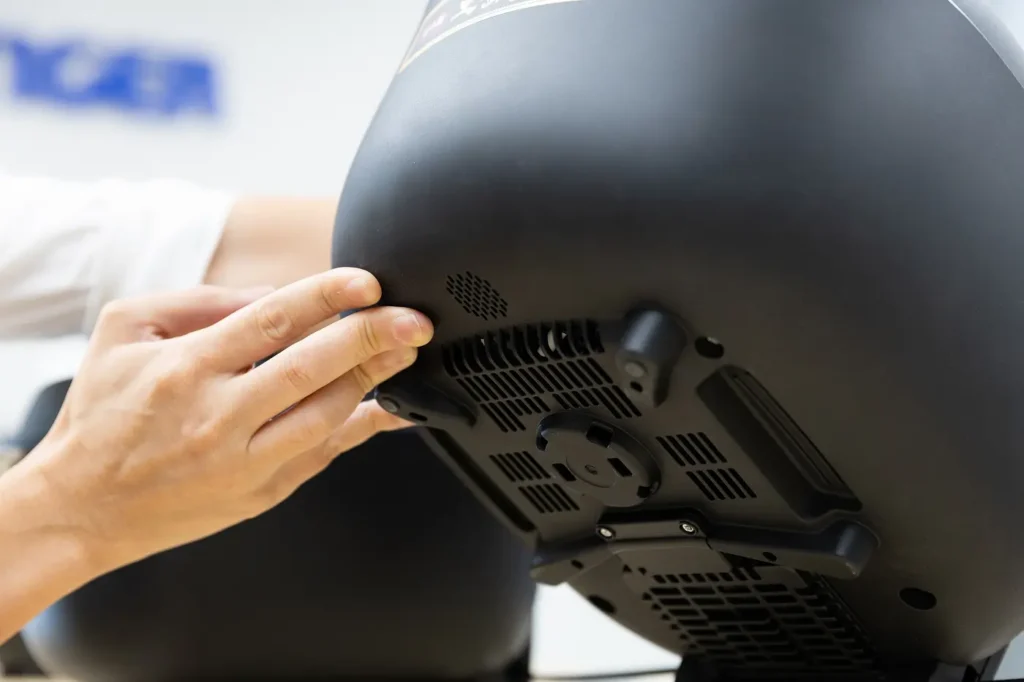
Once we decided to play a melody upon completion, a new challenge arose: a rice cooker is not an audio device, so it cannot easily produce pleasant sounds like a standard speaker. Furthermore, when the rice is done, the interior is filled with hot rice, which affects acoustics.
Depending on the size of the unit, the hardness of the outer resin, and the internal structure, bass can become overwhelming or treble hard to hear. Speaker placement also dramatically changes the resonance. In the current JRT-A model, the speaker is placed at the front bottom, designed so the sound reflects off the table surface and spreads naturally.
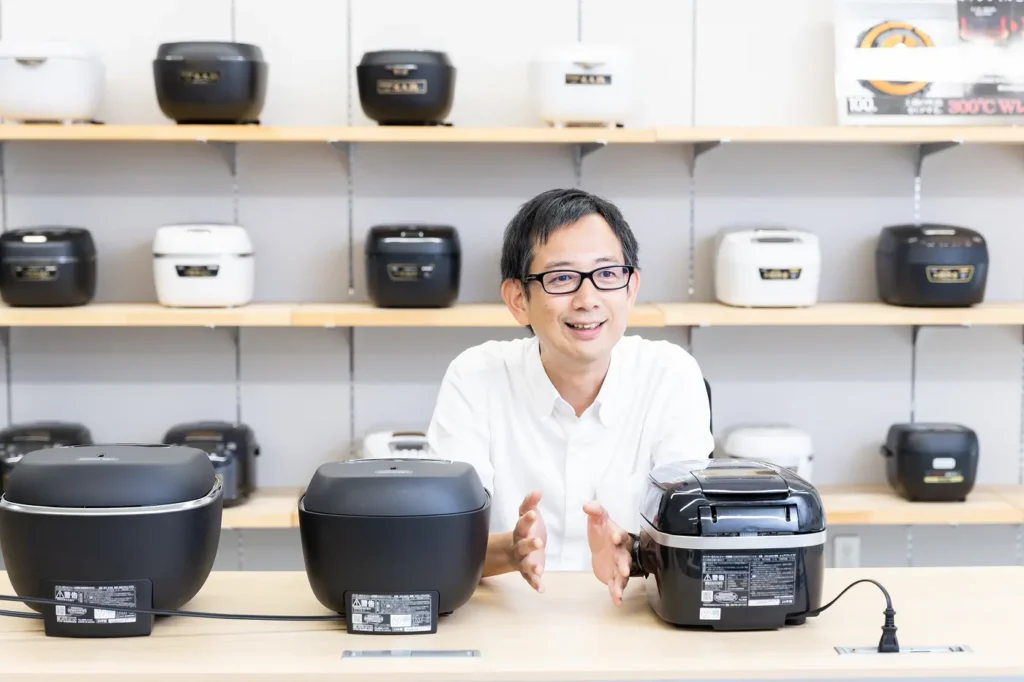
In terms of sound, notifying users of abnormalities is just as important as the finish melody. Error sounds are divided into “operational mistakes” and “high-urgency abnormalities.” For operational mistakes, we use a soft sound that isn’t too harsh, so users don’t feel “blamed” by the machine.
On the other hand, for critical alerts like forgetting to insert the inner pot, we ensure the sound conveys a proper sense of urgency. We keep these sounds consistent across all products so customers instantly recognize what they mean even if they upgrade to a new model.
Furthermore, hardware design is essential alongside sound engineering to produce clear audio. Inside a rice cooker, heating components, circuit boards, and wiring are packed into a tight space. We minimized electrical noise by keeping audio wiring as short as possible and carefully calculating wire thickness.
In the early stages of development, some asked, “Do we really need to go that far?” But we rallied engineers by saying, “Let’s create craftsmanship that resonates with all five senses!” The GRAND X series at the time held the theme “Resonating with all five senses: deliciousness and premium quality,” which helped win over supporters who agreed that sound is just as vital as taste and aroma.
8 Sound Options to Match Your Daily Scenes and Moods
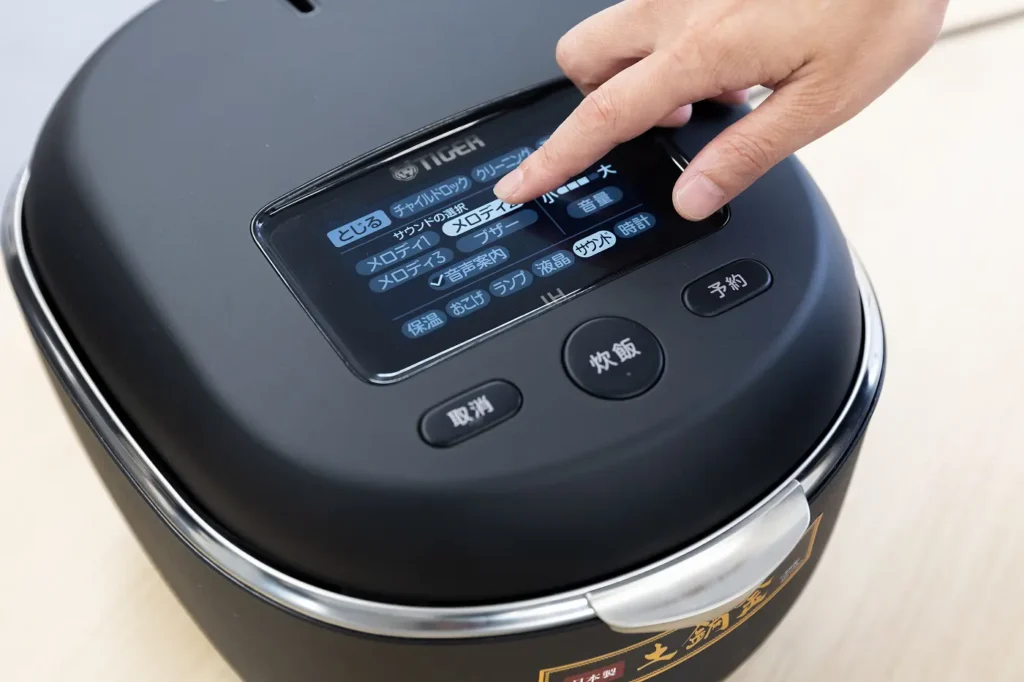
In daily life, there are times when you want to minimize appliance sounds—such as when a baby is sleeping or when rice finishes cooking early in the morning via timer. While sound cannot be turned off completely, a low-volume setting has long been available.
There are also choices in sound style: “Simple” for those accustomed to traditional beeps, “Clarity” for a light and refreshing feel, “Rich” for a slightly luxurious mood, and the “Takitate Melody.” Current clay pot pressure IH models offer eight options in total, combining these four styles with or without voice guidance.
Switching settings has become much easier compared to older models—you can change it in about four taps on the touch panel. I usually keep mine on “Takitate Melody,” but sometimes I switch to “Clarity” just to refresh my morning routine.
♪”Takitate Melody”
A Signal for “Happy Gatherings” That Accompanies Every Dining Table
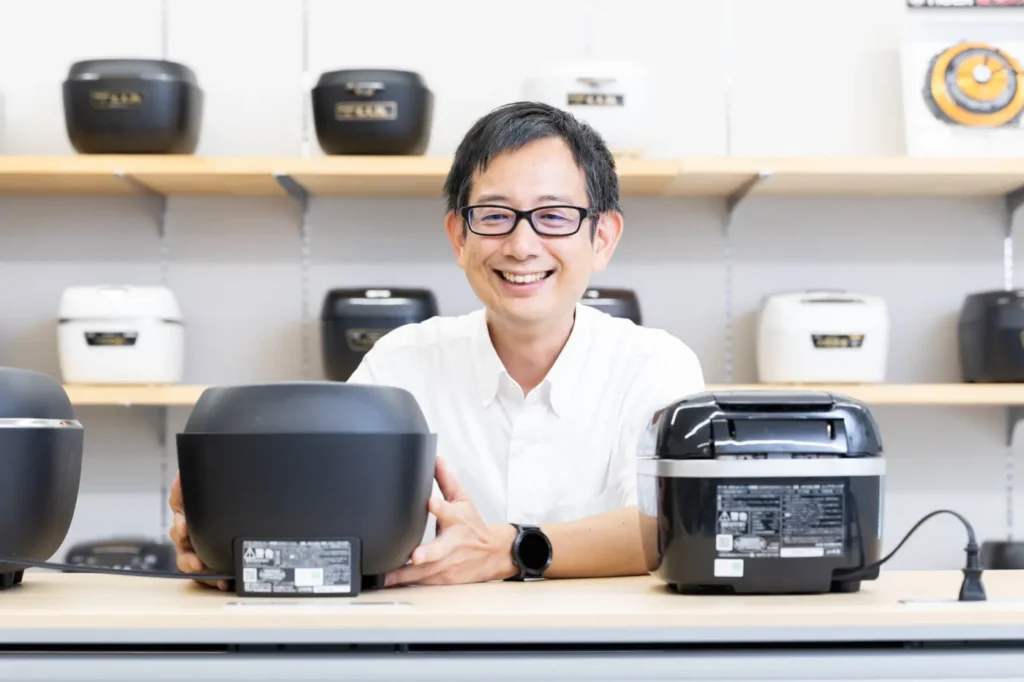
In the development team, we often discuss, “What does ‘danran’ (family gathering/togetherness) really mean?” Not long ago, the image was always a family sitting together around a table, but we realized it isn’t limited to that. An individual living alone feeling comforted upon hearing the “Takitate” melody is also a wonderful form of “danran.”
Customer feedback includes warm comments like, “I look forward to hearing this melody every time,” and “I can feel the kindness of the developers,” which delights us immensely. Knowing that our desire to make mealtimes richer and more enjoyable—rather than just announcing cooked rice—comes through confirms we chose the right melody.
Because it’s an everyday tool, we want people to feel attached to it. The microcomputer team’s dedication to sound surely signals the start of someone’s meal today, connecting to the warmth of dining tables across the country.
We offer several sound options, so we hope you enjoy choosing your favorite sound according to your daily mood and lifestyle.

Profile
Yuji Meshizuka / Yuji Meshizuka
Product Development Group, Microcomputer Team, Tiger Corporation